Infrastructure
From governments modernizing their use of technology to creating innovative policies to manage our lives—this page covers the trends and news that will influence the future of governance.
After COP28, Architects Signal Progress in Scaling Back the Carbon Footprint of Buildings
The UN climate talks held earlier this month in Dubai ended with a deal that seemed unlikely only a day before: Representatives from nearly 200 nations at the 28 Conference of Parties (COP28) signed an agreement that calls for "transitioning away" from fossil fuels in a "just, orderly, and equitable manner." Some hailed the outcome as a milestone, since in the almost 30-year history of the conference delegates had never reached consensus on language that included stepping back from oil and gas.
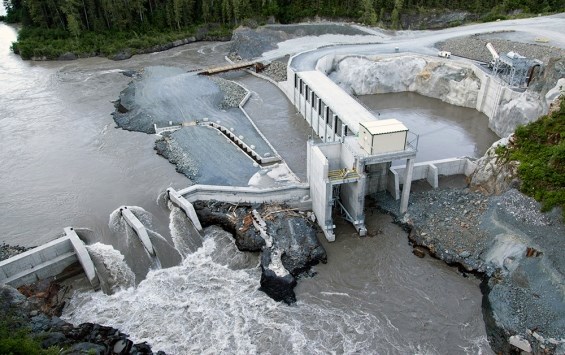
More Creek hydro project in NW B.C. hits a dead end
BC Hydro says it wants 3,000 gigawatt hours (GWh) of new clean power. Alaska Hydro says it can deliver 484 GWh - about 16 per cent of the new power needs - with a small hydro-electric dam on More Creek. So what's the problem? Why is BC Hydro telling Alaska Hydro it won't qualify under the new power call?
Beyond TCFD: The Age of Corporate Climate Accountability and Opportunity
(Credit: Canva Pro)Looking to the future of TCFD, Ashlyn Anderson, Policy and Advocacy Expert at climate intelligence company Cervest, looks at how the new EU Taxonomy plans and ISSB framework drive a new era in TCFD regulation and corporate accountability. How can technology help unlock this for...
Offshore wind roars back in 2025 with 19 GW of additions and China in the lead
Photo Credit: Eric Haynes Global offshore wind is gearing up for a comeback in 2025, with new capacity additions expected to hit 19 gigawatts (GW) and spending projected to soar to $80 billion, according to Oslo-based independent energy research firm Rystad Energy. That's a big rebound...