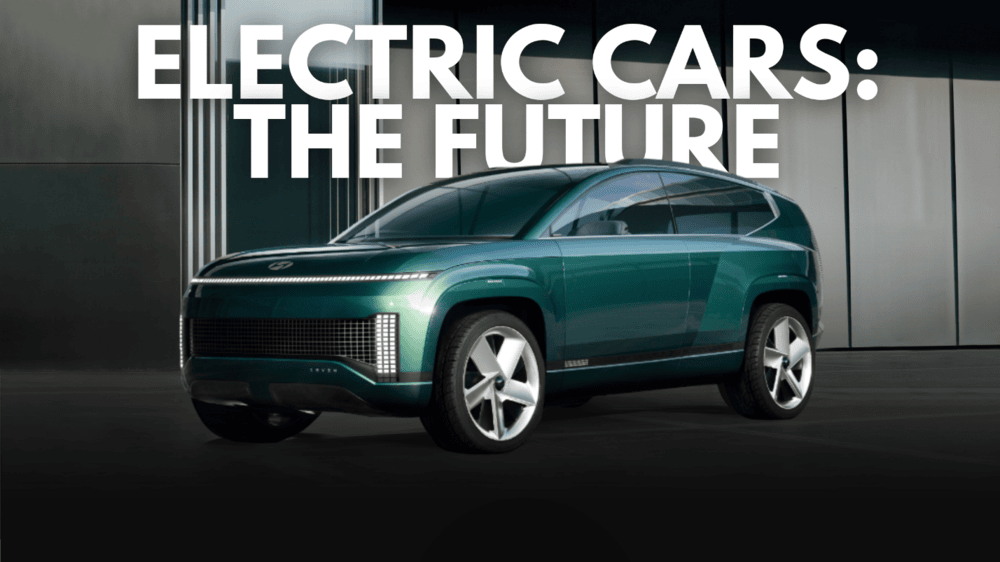
As electric cars rapidly become the vehicles of the future, we stand at the edge of a radically different future in transportation. The present seismic shift toward electrification is such that, among all the other "intertwined" environmental concerns, rapidly changing technologies coupled with shifting consumer preferences are affecting the industry.
This paper is concerned with the enthusiastic future of electric cars while discussing the various benefits derived from them as individuals, society, and the environment.
Meanwhile, if you are looking for the future of Pinoy card gaming such as Tongits, Pusoy go and Pusoy Dos, don’t miss out GameZone.
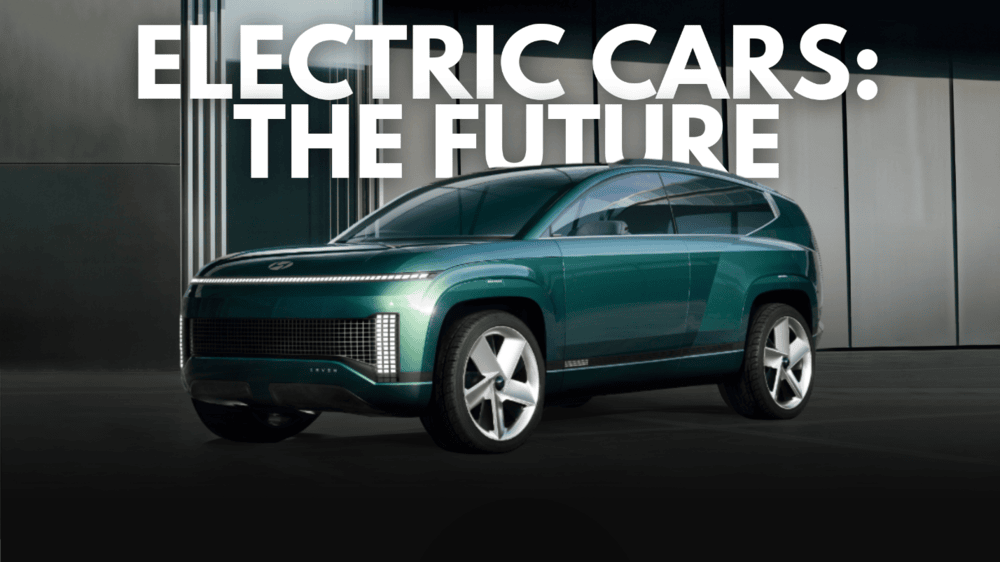
The Current Scenario of Electric Vehicles
It is essential to look into future prospects, as it will definitely give a clearer perspective on the present scenario. From that point of view, electric vehicles have traveled a long way ever since their birth: billions of dollars' worth of investments made by top automakers in the development of EVs.
Not just that. Countries worldwide have also taken positive measures through their federal policy frameworks to encourage its adoption.
Technological Advances that Drive the Future
Battery Technology
The area of development that ranks at the very top for electric cars would have to be battery technology. Current developments promise
Extended range: Range anxiety will be overcome with future EV ranges of 500 miles and more per full charge.
Faster charging: Charging times may be reduced to a matter of minutes with high-power charging stations and further battery chemical improvement.
Self-governing driving
The combination of autonomous driving technologies with electric cars has the ability to revolutionize transportation. Some of its potential promises include
Safety: Advanced driver-assist systems (ADAS) can further reduce accidents that are the results of human errors.
Better efficiency: Self-driving EVs can optimize routes and driving patterns, resulting in higher energy efficiency.
New mobility solutions. An autonomous electric vehicle can reinvent public transport and ride-sharing services.
Vehicle-to-Grid Technology
Today, when electric cars are plugged into the grid, not only will they draw power from it, but they will also feed it back to the grid.
Energy storage capacity. The electric vehicle may be a mobile power bank storing the excess renewable energies and providing those back to the grid during peak demand.
Stabilization of the grid. Large-scale adoption of the V2G technologies would assist the electrical grid in balancing, especially concurrent with the increasing integration of electrification of renewable energy sources.
Environmental Advantages
With a transition into electric cars, some quite substantial environmental benefits are promised.
Reduced Carbon Emissions
At such a time as the electricity grids increasingly depend on renewables, the carbon footprint for EVs would be further lowered, and that jump becomes quite crucial in the problem of climate change management and world emission reduction targets.
Improved Air Quality
Most probably, there would be no tailpipe emissions from electric vehicles, which would yield cleaner air in the urban environment. Such reduced air pollution can result in much healthier lives for city inhabitants.
Noise Pollution Reduction
Furrows resulting from electric vehicles compared to their internal combustion engine counterparts are significantly minimal; thus, reduced noise pollution will transform most urban areas into quiet places.
Economic Benefits
The charges of having electric cars in the future also have quite a number of economic advantages. Lower Operating Costs: Compared to traditional cars, electric vehicles have fewer moving components. Therefore, this results in lower maintenance costs.
Electricity is generally lower in cost than gasoline, which eventually signifies less fuel cost for the person using electric vehicles.
Job Generation
New jobs are being created in manufacturing, infrastructure building, and related technologies as a result of the conversion to electric vehicles.
Energy Independence
Such a sort of mass adoption of electric vehicles would be proved to turn countries from fossil fuel dependency towards oil imports and establish energy security and economic stability for more countries.
Problems and Solutions
However, it's not so easy that the future of electric vehicles may be very promising; the problems that need to be extracted here are:
Infrastructure of Electric Car Charging
The expansion of charging networks is critical to support the general adoption of EVs. Governments and the private sector are spending heavily to develop and build a comprehensive charging infrastructure.
Raw Material Sourcing
This additional demand on battery materials like lithium, cobalt, nickel, etc., comes with a number of risks. Alternative sources/materials and improved recycling methods are being studied to try to overcome the challenges.
Capability of Power Grid
All said and done regarding the increasing number of EVs, the alterations in many major power grids will have to be a part of handling this additional load, assisted through smart charging technologies and vehicle-to-grid technology.
The Future of Electric Vehicles
The future of electric vehicles will surely see plenty of remarkable events:
Markets will go mass: With price drops and charging infrastructure increases, electric vehicles will become more accessible for a large spectrum of consumers.
A plethora of vehicle types: From small cars to heavy-duty trucks, we shall see all types of vehicles being offered on electric powertrains.
Smart-city integration: Electric vehicles will act as an integral part of the smart-city ecosystem, conversing with smart traffic systems and energy management platforms.
New business models: Electric vehicles will bring forth disruptive business models, including battery leasing, mobile charging services, and next-gen car-sharing platforms.
Enhanced recycling: As the first-generation mass-market EVs approach lifecycle end, improvements in battery recycling technologies and circular economy methods will strengthen.
Conclusion
The electric vehicle future is certainly bright and one that promises cleaner, better, and more advanced transportation. Continued innovation in battery technology, charging infrastructures, and vehicle design can be surely anticipated as we journey into this electrified future.
Indeed, innumerable advantages come with such a transition: from environmental benefits such as reduced carbon emissions and better air quality to economic benefits like reduced cost of operation and job creation, electric vehicles propose a great outlook for the future in mobility.
However, realizing such a scenario will need concerted efforts by governments, industries, and consumers alike. For their part, policymakers need to provide an enabling environment for the further adoption of EVs through incentives and infrastructure development.
Automakers need to promote EVs through research and development activities that improve EV technology and reduce manufacturing costs. And lastly, consumers need to accept this emerging technology and change their thinking of transportation.