
Smartphones became an essential part of life. We use them as wallets, IDs, and constant companions. At the same time, the simple act of receiving a phone call became a source of anxiety. What used to be a trusted form of communication is now clouded by suspicion, thanks to the surge in spam calls, spoofed numbers, and mobile fraud.
Digital trust is already a hot topic due to phishing emails and social engineering scams. But we should all explore it a bit deeper, since phone-based fraud tactics are getting more sophisticated by the day.
Phone lookup technology is a great solution, which most people don’t use enough. It enables you to assess unknown numbers in real time. Once you lookup spam number, you can regain control over your interactions.
The Rising Threat of Mobile Fraud
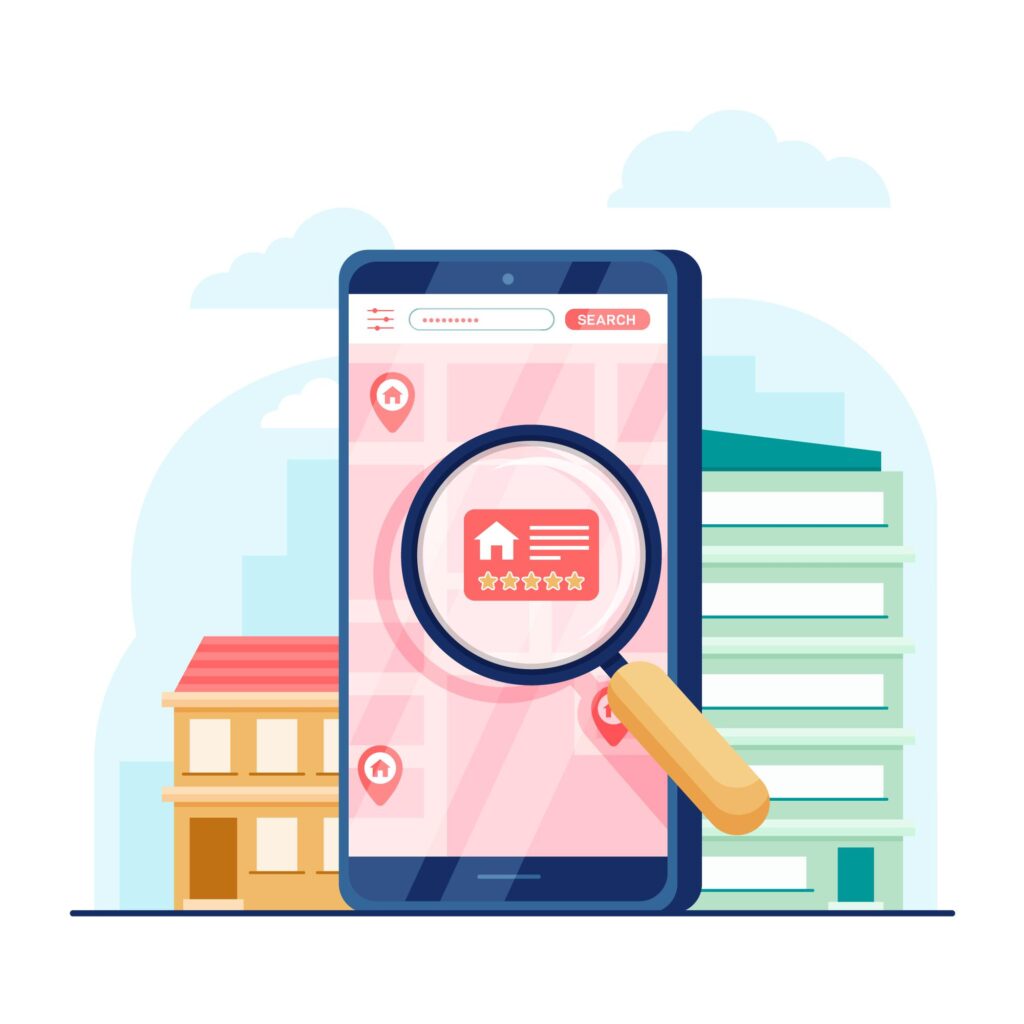
The sharp rise in mobile fraud isn’t just a technological inconvenience. It’s a social and economic issue. Over the recent years, billions of spam calls have been made globally. Many of them were intended to manipulate or deceive. Fraudsters no longer rely on mass robocalls only.
They use personalized tactics. For example, they may fake trusted numbers and impersonate banks, government agencies, or delivery services.
It’s getting harder for smartphone users to spot scams before it’s too late. Answering a call that seems urgent can lead to leaked personal data, unauthorized transactions, or identity theft. The emotional toll is damaging, too: frustration, anxiety, and a mistrust even in legitimate digital interactions.
But users grow more wary. Traditional countermeasures like blocking numbers or relying on caller ID are no longer sufficient. We’re turning to smarter solutions that can answer the simple question before we pick up: is this a spam number?
Let’s See: How Does Phone Lookup Technology Work?
Phone lookup technology lets you conduct a reverse phone lookup. They help you see if an unknown number is connected to a real person, a legitimate business, or something suspicious. Thanks to Searqle, you can easily perform a phone number search that gives you all publicly available data tied to that number.
Reverse lookup tools give you context where caller ID fails. They can identify the caller’s name, give you reports of spam, and inform you about unusual call behavior.
Thanks to phone lookup technology, you’ll get real-time insights. It will be easier to decide whether to answer that call or not.
The Daily Benefits of Mobile Fraud Protection

Phone lookup tools aren’t just for tech-savvy users. They are getting essential for anyone who wants to protect their personal data.
- Parents are very concerned with the way their children use smartphones. They can use reverse phone lookup to see who’s contacting their child before returning a call or responding to a message. Mobile scams can easily impersonate school administrators or family friends. This extra step of verification is super important.
- Professionals benefit from verifying unknown business numbers and screening unsolicited sales calls. These details are enough for them to decide whether to interrupt a workday for a call.
- Missed calls from a supposed delivery driver and other everyday scenarios become more manageable. These tools can inform us if the number has been reported as spam.
The greatest advantage of phone lookup tools is that they make us cautious without being paranoid. They remove the guesswork, so we can safely answer legitimate calls.
Let’s Build a Scam-Proof Digital Culture

Phone lookup technology is a powerful tool, but it’s a small part of a broader strategy to stay safe. Learning how to not get scammed involves more than installing apps. It requires awareness. The process starts with habits:
- Don’t engage with unknown numbers
- Avoid sharing personal details over the phone
- Verify sources before taking action
Digital trust must be built at every level. Individuals have a responsibility to stay informed, but so do platforms, service providers, and regulators. Together, we can create a culture where scam attempts are not just blocked. They must be actively discouraged through smarter design, shared data, and public education.




