
Boot tools are what keep every Mac safe. Through them, a user can reinstall macOS, repair or erase a drive, restore from Time Machine, or select startup volumes, everything essential to keeping a laptop dependable and portable.
The path has evolved from DVDs to the Recovery HD partition and now to Internet Recovery with cloud-served installers. Apple’s shift to Lion in 2011 was a pivotal moment, making recovery possible anywhere there’s a connection.
At this time, macOS includes secure boot flows and cryptographic protections while still allowing the use of external installers. In the future, recovery will depend on cloud integration as well as more intelligent automation to keep portable computing resilient and quick to restore.

Bootable Drives and Third-Party Tools on macOS
Apple has always depended on built-in options such as Disk Utility, Terminal commands, and macOS Recovery to manage startup and installation. They are reliable tools, but appear rather restrained when one needs to create customized bootable media or deal with more than one system.
This is exactly where third-party utilities come into play, such as Rufus USB tool. That means if you ask users to define Rufus for Mac, there are solid alternatives available that will make the process of creating bootable USB drives easier and friendlier to use with wider compatibility compared to Apple’s default utilities.
Rufus portable places more recovery and installation workflow control into the hands of Mac users working within a professional environment or in a cross-platform environment.
These applications help close the gap between macOS and the larger boot media ecosystem so that Mac users can set up recovery drives, test OSes, or do a simple reinstallation of macOS without being forced into Apple’s built-in method.
From Disks to Cloud: Apple’s Native Boot Evolution
Apple’s attitude toward booting and recovery has evolved with the Mac itself. What was once a physical, disk-based process has slowly given way to lightweight, network-driven solutions at the extreme ends of the spectrum.
Each step has reduced user friction and increased reliability, which in turn reinforces Apple’s emphasis on portability and simplicity.
Early Days: Disk and CD Boot Methods
80s and 90s Macs used floppies, then CDs to boot or reload the OS. Those media carried full installers or emergency boots that the user would simply insert at startup, which was fairly effective for their time, but remember, disks and CDs are slow and fragile, plus you have to carry physical media around with you wherever you go.
USB Installers and Recovery Partitions
By the late 2000s, Apple moved on to bootable USB drives and internal recovery partitions. A major step came with Mac OS X Lion in 2011, which brought the Recovery HD partition into play.
Rather than depend on outside media, Macs then kept space on the inside drive to reinstall the OS, repair disks, or restore from Time Machine. USB installers were still offered for those who wanted outside backups or needed to work offline.
Internet Recovery and Cloud Integration
Internet Recovery also debuted with Lion, representing a quantum leap forward. Hold certain keys at start-up, and the Mac would reach out to Apple’s servers to download recovery tools, permitting a clean install even when the internal drive had failed.
This has since been developed by Apple into full cloud integration, whereby macOS supports secure downloads, signed system volumes, and seamless update experiences tied to Apple IDs. The end result is a recovery process that seems as if it comes from nowhere but packs quite a punch.
Reliability and Security in Portable Computing
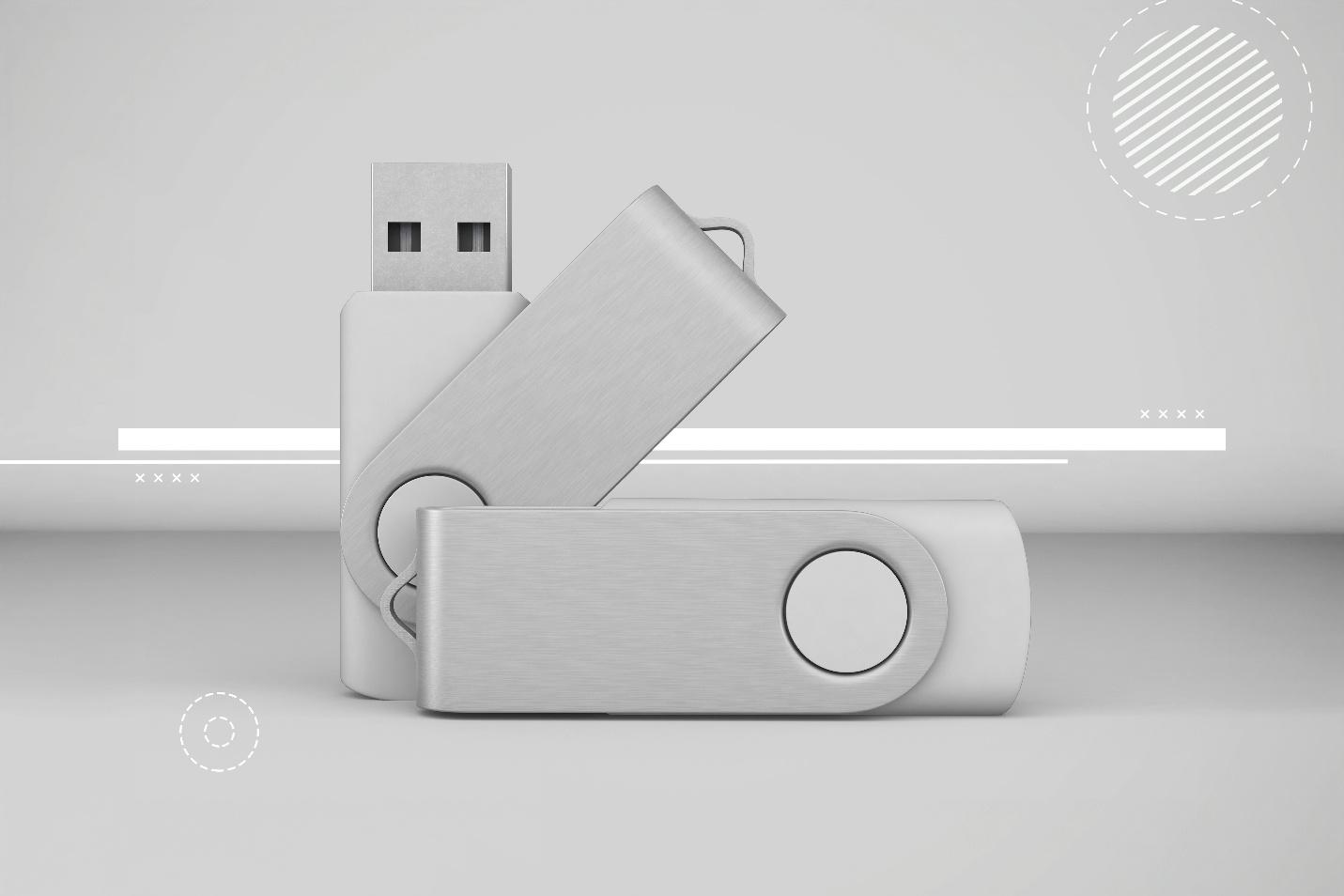
Boot tools remain the primary course of strength for macOS in portable computing. They allow users to recover their files, reinstall the OS, or fix problems without the help of any external gadgets.
Time Machine restores, Disk Utility repairs, and startup commands ensure that even when an issue arises on the go, a MacBook will continue to work and be reliable for those users who need more freedom, choosing a Rufus alternative for Mac.
Stronger security protections rely on the strength that Apple has steadily paired with its reputation for reliability. Secure Boot checks the startup process, FileVault does end-to-end data encryption, and Signed System Volume adds yet another layer, keeping system files from tampering attacks.
Internet Recovery also pulls down installers straight from Apple’s servers, verified directly to ensure authenticity with every clean install.
Looking Ahead: Boot Tools in the Next Decade
The future of macOS boot tools is moving toward smarter, more integrated systems that combine local utilities with advanced cloud services.
AI-driven Troubleshooting and Automated Recovery
Boot tools are ready to evolve with machine intelligence at the core. Rather than sticking to manual diagnostics, AI in future systems might scan the health of hardware components, pick up drive failure long before it happens, and recommend fixes even before data is at risk.
One can pair Apple’s secure-by-design environment with a Rufus alternative, which could further expand recovery options, particularly for creating multi-OS bootable drives.
Cloud-synced Installers and Personalized Setups
Today, Internet Recovery delivers a fresh macOS installation, but tomorrow’s arsenal may reach beyond. Cloud-synced installers could reconstruct not only the OS but also fetch apps, preferences, and files associated with an Apple ID in one fell swoop.
As Apple keeps its eye on the joined-up experience, outsiders and Rufus software fixes remain at hand for anyone needing even more of their own choices spread over various bits of kit.
Cross-platform Flexibility
Developers, IT pros, and power users often require more than just one OS. Peeking into the future, boot tools could possibly support secure multi-boot setups where macOS, Linux, and Windows are installed on encrypted drives.
This kind of agility, allowing for both Apple’s protections and the continued growth of outside tools, has a shot at putting Macs back in Hybrid Workflows’ Cabinets.
Final Thoughts
The evolution of macOS boot tools perfectly reflects Apple’s quest to constantly perfect the process by which one starts up a machine, performs recovery, or installs something in an ever-safer environment.
The move from disks to cloud-based recovery is indicative of increasing strength and resultant dependability on portable computing. However, the freedom should also be preserved, particularly for those users who like to venture into multi-boot environments or need custom installers.
That is where the third-party options and Rufus Mac alternative support come into play. Recovery will henceforth be rewritten to be faster, smarter, and even more flexible.




