
Technology has changed our daily life in the past few years, and tracking land ownership is not an exception.
Recently, apps claiming to provide land ownership data and other information have gained popularity, but users are concerned about their accuracy and reliability.
In this article, we will go over how they are made, the variables that make them accurate, and how they work.
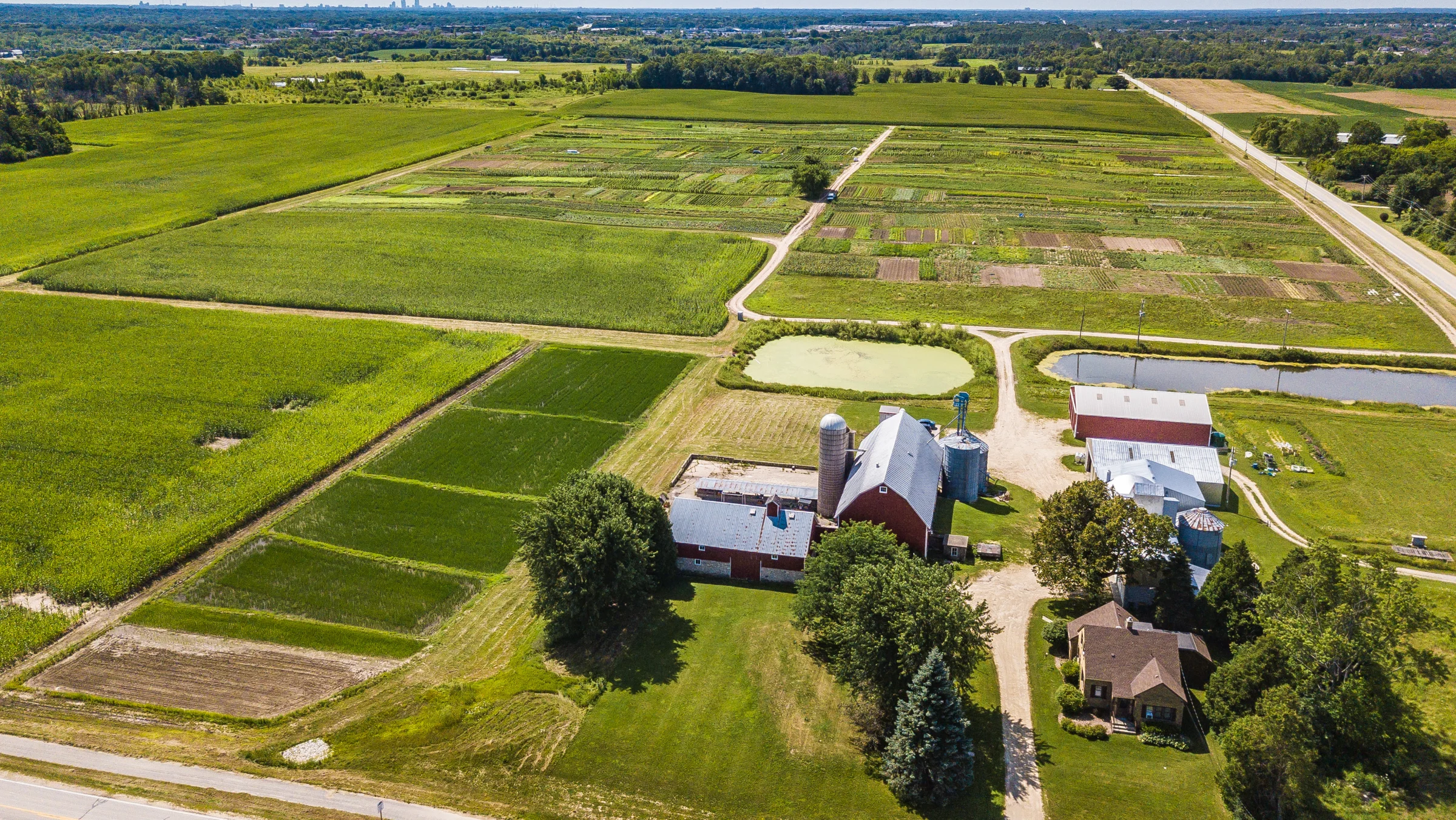
Understanding Land Ownership Apps
An app that shows who owns land uses various databases and Geographic Information System (GIS) technology.
Their goal is to provide users with easy access to information like the names of owners, property lines, and parcel sizes.
These apps make it easy for people, but the data they display may not always be correct. This is due to several reasons.
Data Sources and Their Impact
The sources from which data is obtained are the major determinants of the dependability of these applications.
Most apps heavily rely on public records, which local governments maintain. They are records that may differ in quality and speed of update.
Using older data means the app may rely on outdated or incomplete information and provide inaccurate information.
Also, the accuracy may be impacted by the fact that the way data is recorded may be different from region to region.
Some areas may undergo complete digitization, while others may still rely on paper-based systems. This inconsistency can result in inconsistencies across apps.
Update Frequency
How frequently the data is updated is also important for an app to improve its accuracy. Regularly updating the data to reflect changes in the ownership of the property and its boundaries is important for avoiding legal disputes.
Apps vary in how often they update their databases: some may do it monthly, while others less often. Users must be aware of its update calendar to determine whether it is reliable.
User-Generated Content
Some apps include user-generated content or allow people to edit or add information. While this feature aims to enhance data accuracy, it also exposes users to potential errors.
The mistakes of the users might lead to incorrect details, and hence, the overall reliability of the app would be affected. Users should, whenever possible, verify all information with official records.
Legal and Privacy Considerations
Data provided by land ownership apps may also be impacted by legal and privacy concerns. In some places, privacy laws prohibit tracking specific aspects of property.
The app’s accuracy will be limited by the range of information it is allowed to collect. Users must know these limitations and shouldn’t expect the app to have all the data readily available.
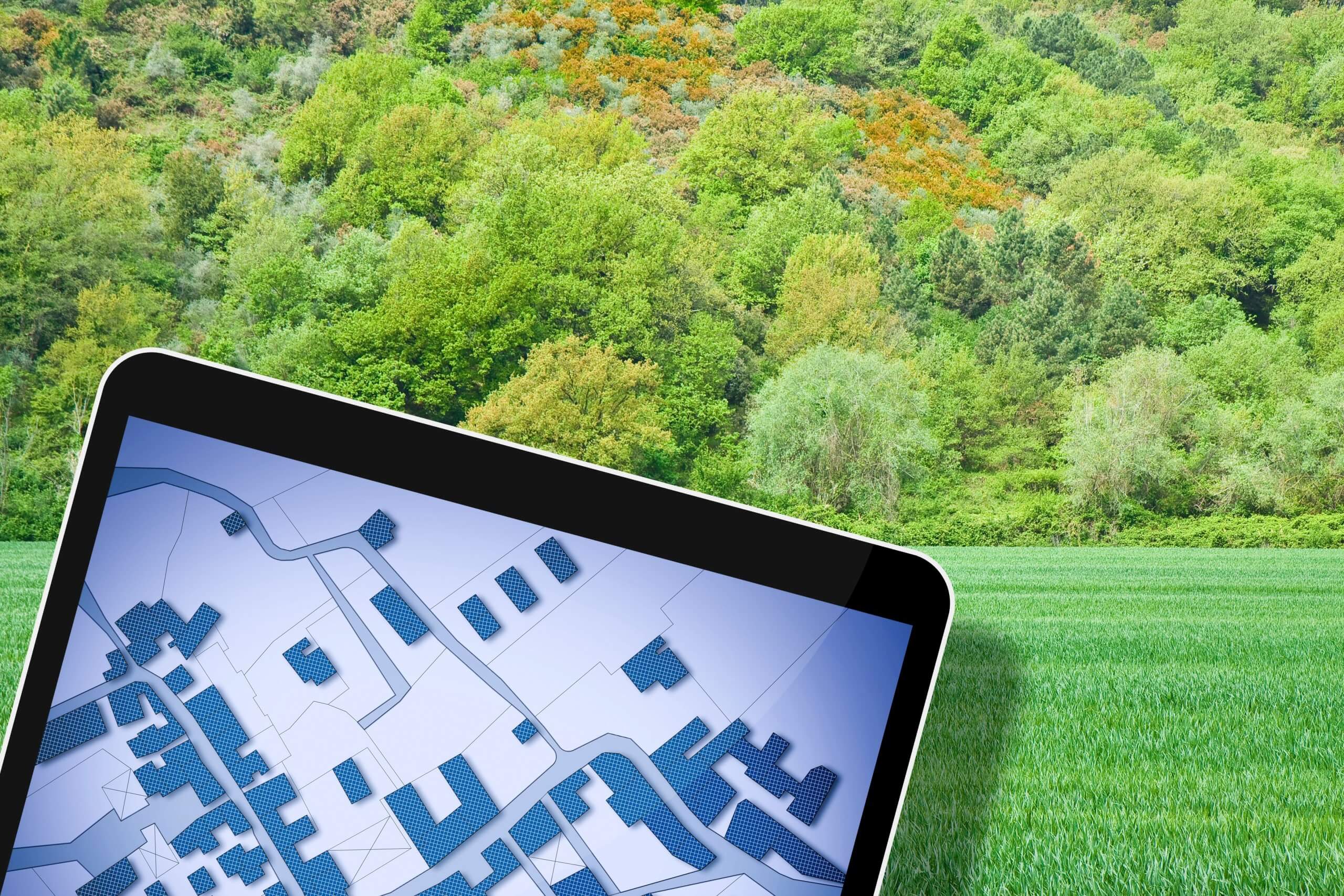
Technology and User Interface
The technology used in these applications has an impact on not only the user experience but also the way data can be interpreted.
If the interface is intuitive, users can easily browse through the app’s features and data. Complicated interfaces or badly integrated technology may cause information to be misinterpreted, leading to concerns about its accuracy.
The Role of Professionals
Apps can give you a decent idea about land boundaries, but engaging a real estate agent is still essential. They can help verify information received from these apps and understand specific property details and legal issues that these applications and the user may miss.
User Responsibility
Users should use the data from these apps with caution. Always check with local authorities or official documents when in doubt, especially for something as monumental as this. Apps can be a useful place to start, but they should never replace thorough research or professional guidance.
Conclusion
Land ownership apps provide quicker access to property information but can often be inaccurate due to various factors.
These include data sources, frequency of updates, amount of user-generated content, and legal and privacy limitations.
Users should be careful and supplement the information in these apps with official records and expert opinions. Landowners and potential buyers need to understand these details to make informed decisions.




