In today’s digital world, attention is currency—and entertainment is evolving rapidly to keep it. From short-form videos to immersive gaming platforms, digital content is becoming more interactive, visually stimulating, and centered around instant gratification.
But what exactly is driving this transformation, and why are users gravitating toward entertainment that feels more like a game than a passive experience?
The shift isn’t random. It reflects larger trends in user behavior, technological advancement, and psychological engagement.
And nowhere is this shift more obvious than in immersive digital play platforms like HighRoller, which pair rich visual environments with reward-based mechanics to redefine how we engage with screen time.
Let’s explore how and why this trend is shaping the future of entertainment.

The Psychology Behind Interactive Play
Why are people increasingly drawn to interactive and reward-based content? The answer lies in a mix of behavioral psychology and digital convenience.
Humans are naturally wired to seek feedback and rewards. In traditional entertainment, feedback is passive: you watch a movie, and it ends.
But in interactive systems, every action is acknowledged. Whether it’s leveling up in a game, unlocking a new skin, or winning a visual prize, the user feels actively involved in the experience.
The dopamine reward loop, well-documented in psychological studies, explains this. Each interaction, visual cue, or small reward creates a moment of satisfaction—enough to keep a person engaged longer and returning more often.
Platforms that integrate these mechanics are capitalizing on our innate preference for feedback-rich environments.
Visual Storytelling Is the New Standard
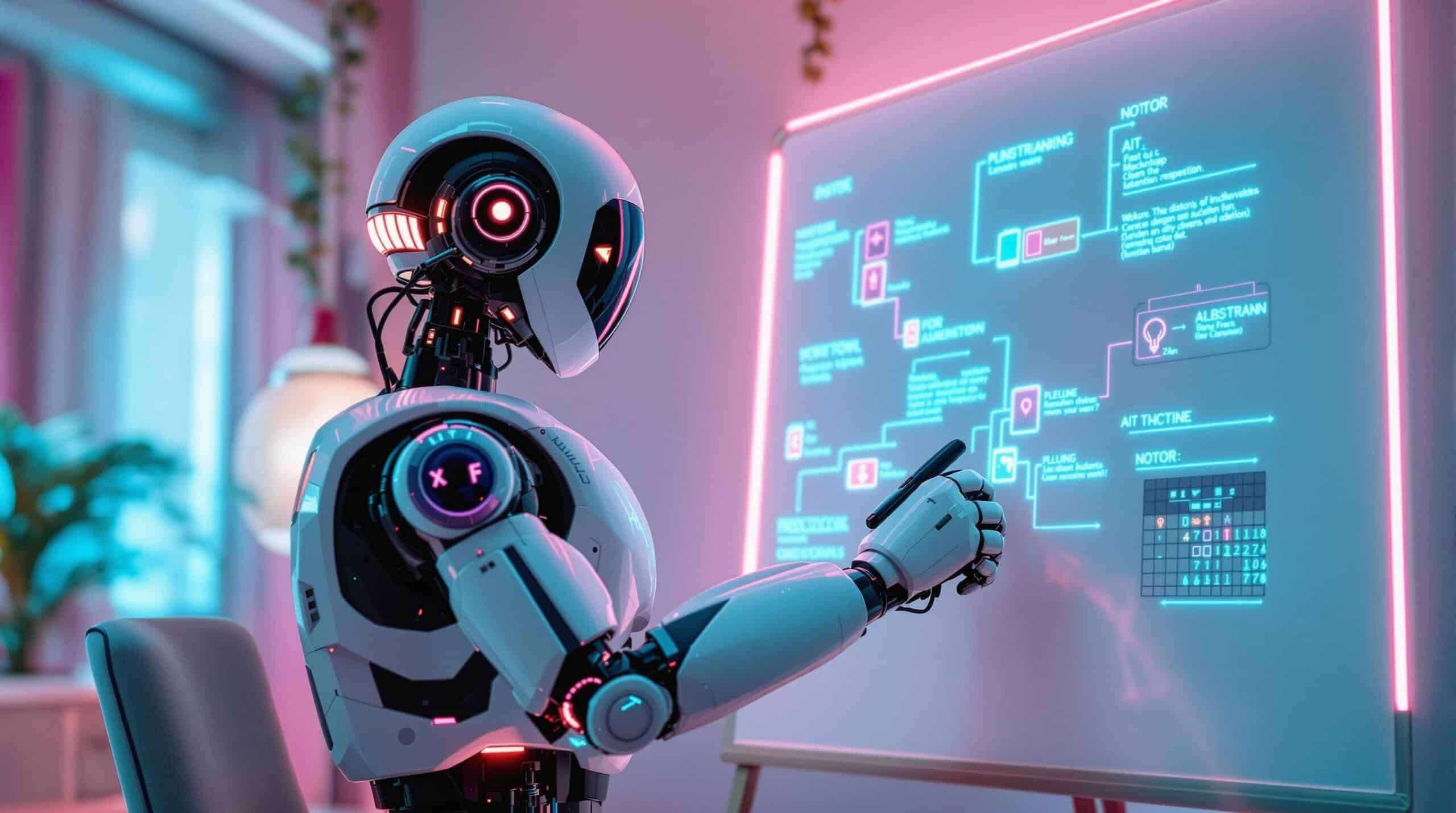
We’ve moved far beyond static screens and text-heavy formats. Today’s users expect dynamic visuals, seamless animation, and graphic-rich design across all forms of content.
This applies not only to video games and streaming platforms but also to mobile apps, learning tools, and digital play environments.
Modern entertainment thrives on visual stimulation. Bright interfaces, animated characters, and responsive design aren’t just for aesthetics — they’re core to how users interpret and enjoy content. From scrolling through social feeds to unlocking a visual win in a play session, users expect experiences that feel alive.
Interactive platforms are taking cues from visual storytelling to elevate engagement. Every frame is an opportunity to captivate—and when paired with a reward mechanism, the effect is amplified.
Rewards Are Reshaping Digital Engagement
Entertainment used to be about watching. Now it’s about participating and earning a sense of progress.
Whether it’s earning coins, unlocking features, or progressing through a tiered experience, reward-based systems are reshaping how we define digital fun.
These aren’t about real-world stakes—they’re about creating motivating feedback loops that keep people entertained without external pressure.
A great example of this can be seen in the rise of gamified learning platforms, where users earn badges, points, or stars for completing tasks. This same logic is driving engagement in social gaming spaces, where visuals, sounds, and prize structures offer instant satisfaction with zero risk.
According to a research paper from the MIT Media Lab, gamified systems—those that use rewards and visual cues—can significantly increase user motivation and long-term retention. These findings are now influencing not just how we learn, but how we relax and unwind.

The Social Layer: Playing Together in Digital Spaces
One of the most interesting aspects of this entertainment evolution is the shift from solo experiences to socially connected ones.
Interactive entertainment now often includes a community element. Whether it’s chatting during play, competing on leaderboards, or sharing achievements, users aren’t just playing—they’re playing together.
This aligns with a broader cultural trend: the desire to connect digitally in ways that feel personal and meaningful. Visual environments with interactive features make it easier to foster social interaction that feels spontaneous and fun.
Social platforms that emphasize friendly competition and shared rewards are helping people stay connected while staying entertained.
As younger generations adopt these platforms, the demand for interactive and socially infused entertainment will only grow.
The Future Is Multisensory and Immersive
With the rise of AR, VR, and increasingly sophisticated mobile interfaces, the future of entertainment is leaning toward fully immersive experiences.
Imagine interacting with digital environments that adapt to your behavior, personalize your rewards, and change visually in real time. These experiences are no longer the stuff of science fiction—they’re being developed now.
As new technologies become more accessible, expect to see entertainment experiences that engage multiple senses simultaneously — sight, sound, and even touch. Interactive storytelling will become more nuanced, and rewards will be built into more aspects of our daily digital lives.
Immersive digital play platforms like HighRoller are part of this movement. By offering vivid, interactive experiences built around engaging prize structures and feedback loops, they are helping set the tone for what next-gen entertainment looks like.