
Online solo card games seem simple at first, but small errors can change the whole result of a round. Many players lose progress because they move too fast, miss key details, or rely on habit instead of judgment. A better approach starts with a clear awareness of the mistakes that hurt performance most.
That lesson becomes clear in games such as Solitaire, where one careless move can limit future options. The format feels calm, yet it still demands patience, timing, and close attention to the board. Players who avoid common mistakes usually see better results and a more satisfying experience.
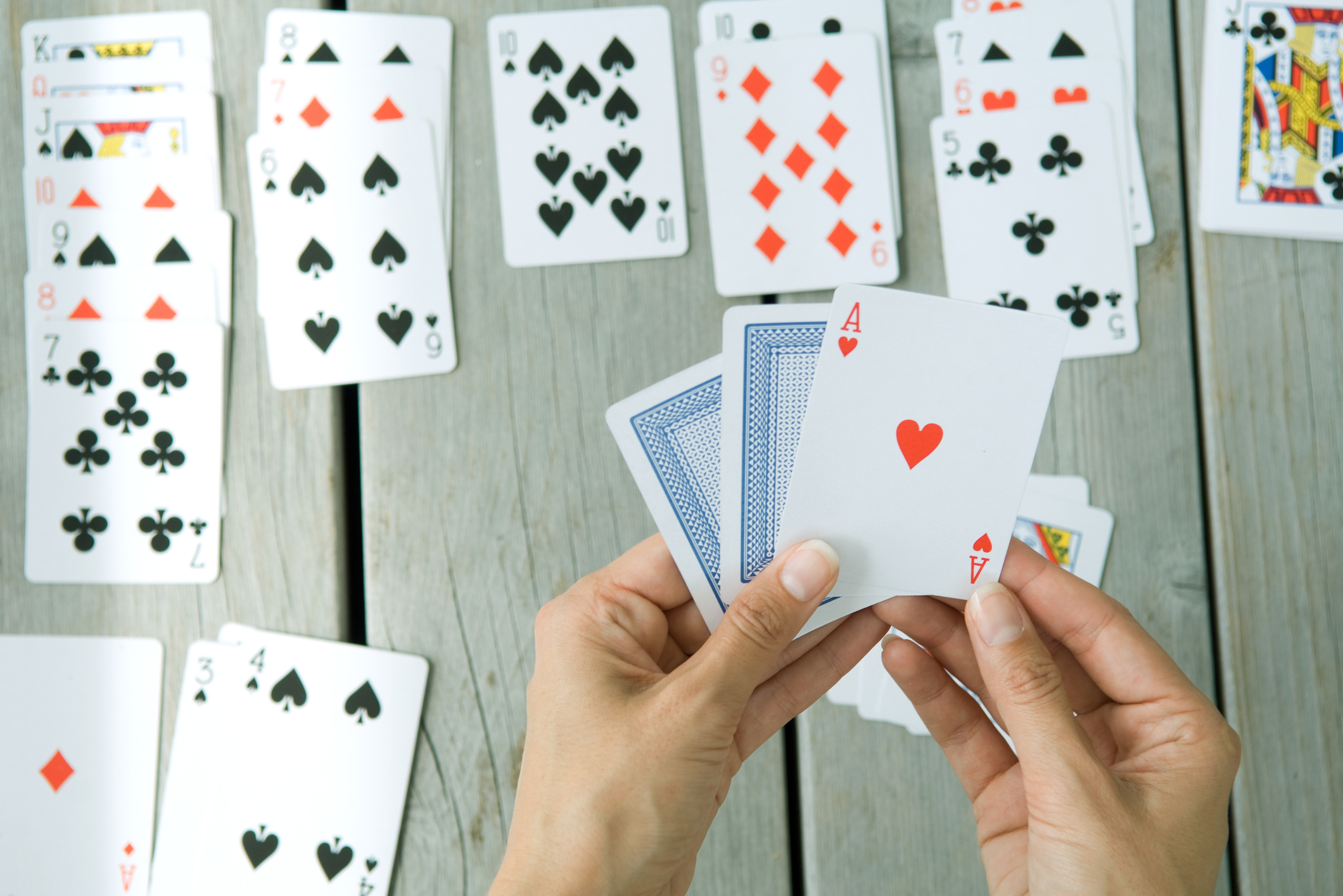
Rush Through Early Moves
Many players feel pressure to act as soon as the game begins. That habit can lead to weak choices before the board reveals its best opportunities. A quick start may feel productive, but it can close off stronger paths too soon.
A better player takes a moment to study the layout before making the first move. That pause helps reveal card order, blocked spaces, and useful openings. Early patience can shape the rest of the round in a positive way.
Ignore Future Consequences
Some moves look helpful in the moment but create problems later. A player may clear one stack, only to trap an important card that could have opened more options. Short-term thinking can turn a promising round into a slow loss.
Good play depends on looking beyond the current turn. A strong move should help the board now and protect useful choices for later. This habit can improve both consistency and confidence over time.
Waste Empty Columns
Empty columns can change the direction of the whole game when used well. They give the player room to shift cards, reveal hidden options, and create a better order on the board. A careless move can waste that space and make the next steps much harder.
This matters a great deal in Solitaire, where empty columns can open the path to stronger plays. A well-timed move into that space can uncover hidden cards and restore control over the layout.
Players who use empty columns with patience and purpose usually create better chances to complete the round.
Miss Clues on the Board
A weak result does not always come from a bad move. Sometimes it comes from failing to notice a useful pattern already in view. A missed sequence or hidden opportunity can slow progress and waste valuable turns.
Strong players train themselves to scan the board with care. They look for blocked cards, possible reveals, and moves that support future progress. This kind of attention can make the difference between a stalled game and a clean finish.
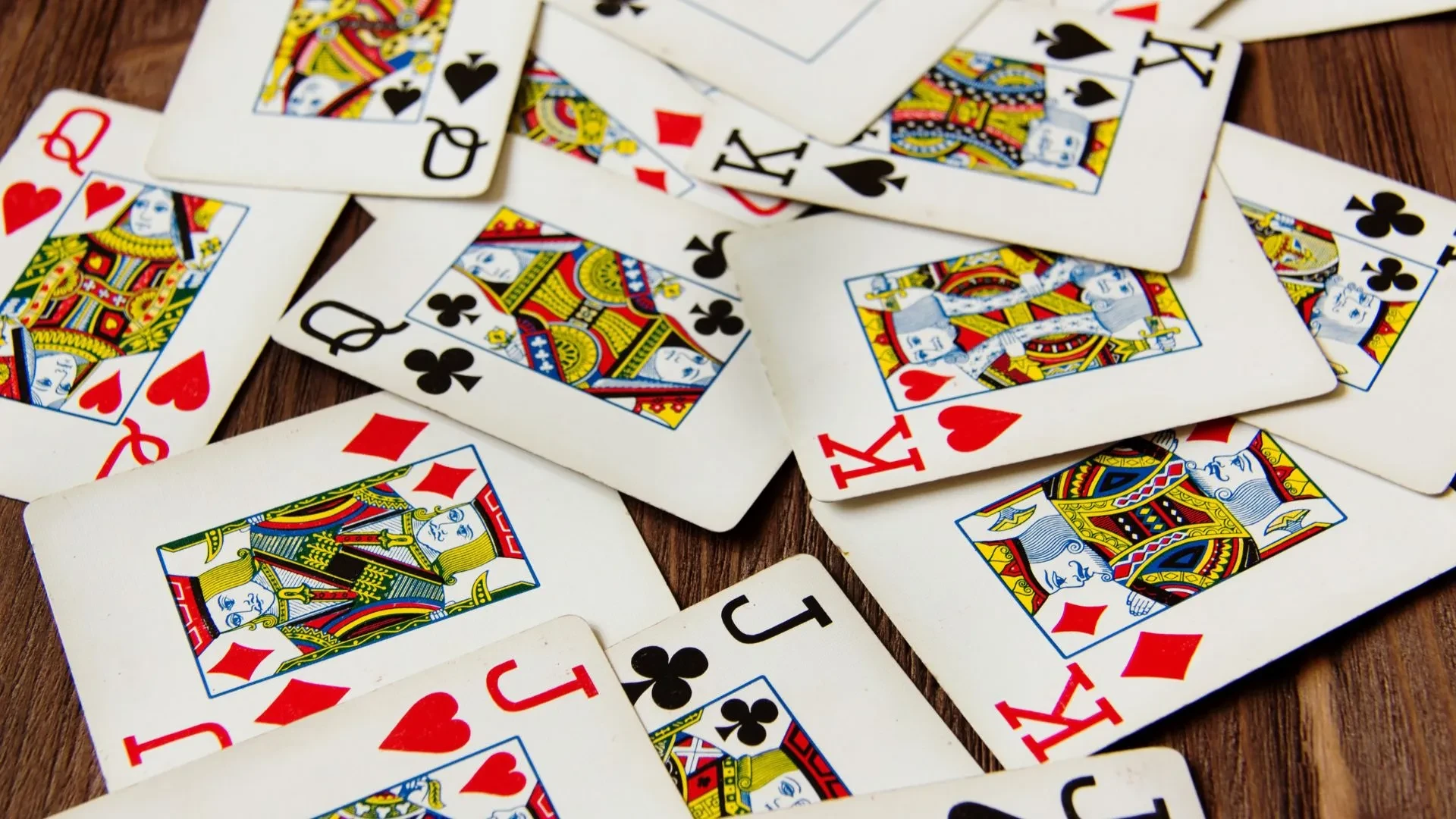
Let Frustration Shape Decisions
Solo card games can test patience when the board refuses to open up. Some players respond by making random moves or forcing a path that clearly does not work. Frustration can damage judgment faster than a difficult layout.
A calm mindset leads to better decisions under pressure. When a round turns difficult, it helps to pause and review the board with fresh eyes. Clear thinking can prevent one mistake from becoming several.
Online solo card games reward careful thought more than fast action. Players who avoid rushed moves, weak planning, and emotional choices usually build stronger results over time. With better habits and a sharper eye, every round becomes a better chance to improve.




