
Hydrogen pipelines, carbon capture plants and advanced chemical facilities depend on certified corrosion-resistant components.
The main supply risk often sits between raw-material production and final construction, where specialist mills, stockholders and fabricators convert alloys into approved parts.
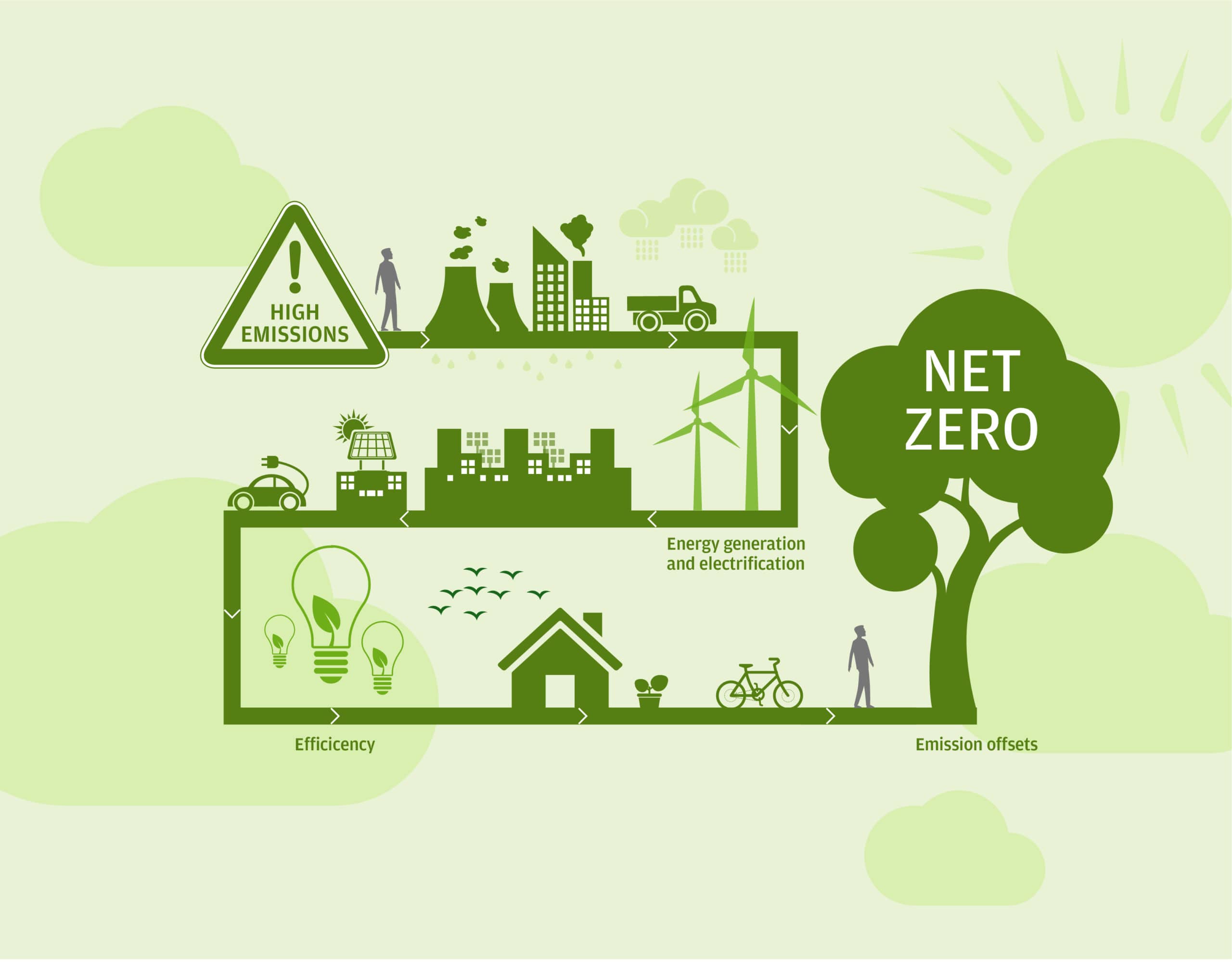
Which part of the supply chain do net-zero roadmaps overlook?
Many net-zero plans track generating capacity, grid expansion and access to critical minerals but give less attention to alloy certification, forging, machining and specialist fabrication.
These middle-tier processes determine whether raw material can become an installable component that meets pressure, temperature, dimensional and traceability requirements.
The International Energy Agency identifies material production and manufacturing as major risk points for low-emissions hydrogen and carbon-dioxide infrastructure.
A project can therefore have funding, permits and raw materials in place while still being delayed by the availability of certified components.
Which components cause the longest procurement delays?
Hydrogen and carbon capture systems require pipes, pressure vessels, flanges, valves and fittings made from approved stainless or nickel alloys.
Many of these products are manufactured in limited batches or to project-specific dimensions, so a capacity shortage at a mill or forge can create a delay of several months.
Nickel alloy pipes are a clear example. They combine strict dimensional tolerances with material certification and a relatively small global production base, which limits the scope for short-notice substitution.
Why does production concentration increase project risk?
Certified alloy products are supplied by a smaller group of mills and specialist manufacturers than commodity steel.
A disruption at one qualified facility can therefore affect several projects at the same time, particularly when the alternative supplier has not already been approved.
- Demand can rise faster than available melting, forging or machining capacity
- Environmental or regulatory constraints can reduce the number of viable production sites
- Geographical concentration increases exposure to trade restrictions, transport disruption and regional events
- Qualification requirements prevent projects from switching suppliers immediately
How can project developers reduce procurement risk?

Critical alloy components should be identified during front-end engineering rather than left to late-stage purchasing.
Developers can then compare mill lead times, qualify alternative sources and reserve stock before the construction schedule depends on delivery.
Specialist stockholders such as Maass Special Alloys can reduce lead-time exposure by supplying certified material from stock for grades and dimensions that would otherwise require a new mill order.
- Map long-lead alloy components at the start of the project
- Confirm documentation, testing and approval requirements before ordering
- Qualify alternative mills, stockholders and fabricators where possible
- Reserve certified stock for grades with limited availability
- Monitor the financial and operational resilience of critical suppliers




