
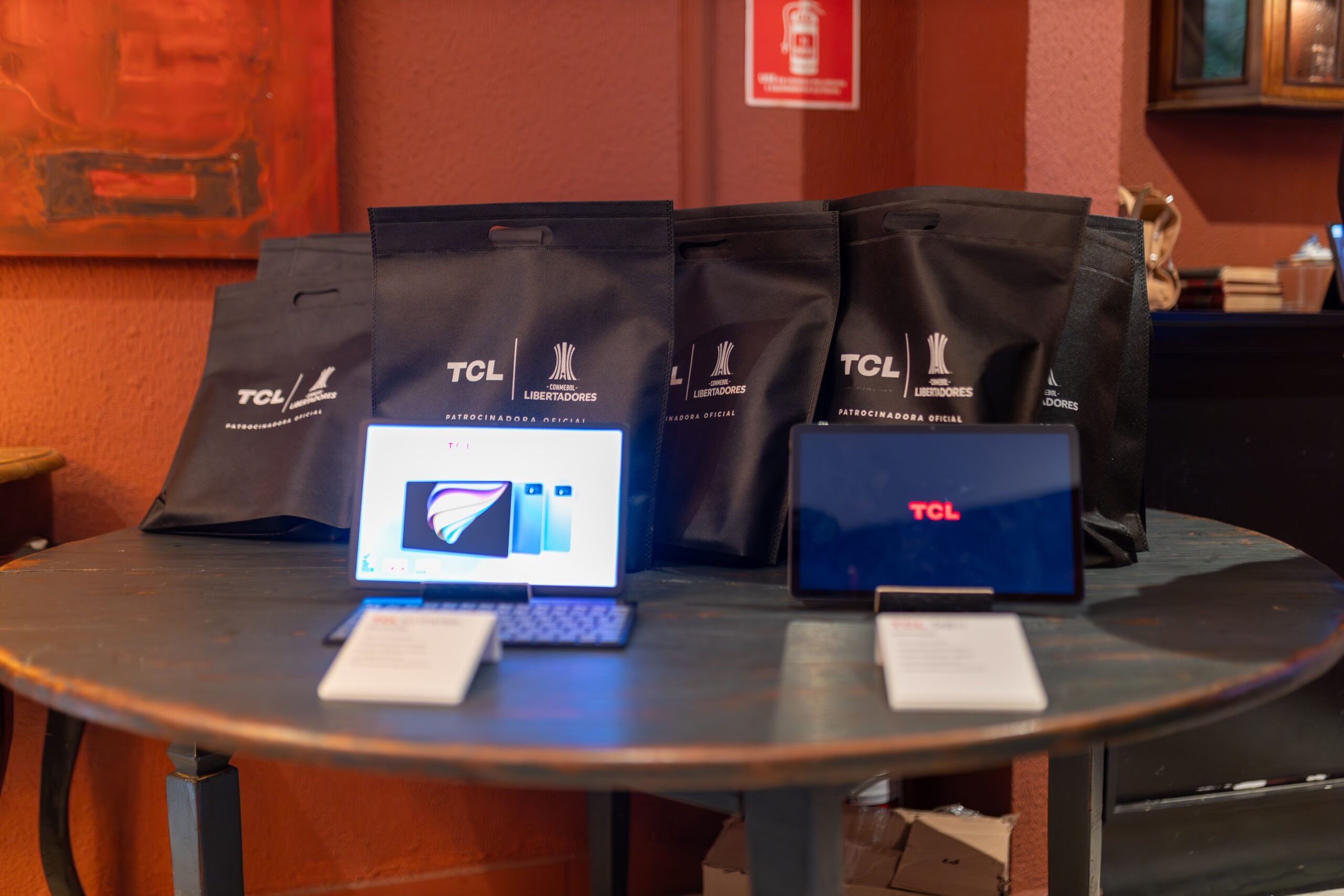
Technology gets a lot of attention for what it can do on a screen, but your experience with a brand often becomes memorable in the physical world.
You might forget a digital ad in five seconds, yet remember the pop-up demo, live product test, or immersive event that let you actually interact with something.
As tech keeps blending with retail, entertainment, and daily life, brands are under pressure to create moments that feel less like advertising and more like participation.
Why Tech Brands Are Chasing Real-World Attention?
If you scroll through your phone for an hour, you’ll meet a small army of ads. Most get ignored. That’s one reason tech companies are leaning into live, interactive campaigns that break out of the feed and into actual spaces.
The appeal is pretty simple: people remember what they do more than what they passively watch. A VR headset demo at a public event, a smart home setup you can test in person, or a gaming activation at a convention gives you something screen ads usually can’t—direct sensory proof.
That shift has made experiential marketing a practical move for brands that need more than impressions and clicks. It lets companies show how a product feels, solves a problem, or fits into your routine. For tech in particular, that matters. A lot of innovation sounds impressive in a press release and confusing in real life. Hands-on interaction clears up the gap fast.
There’s also a trust factor. When you can try the thing, ask questions, and see it work without the usual sales smoke machine, your skepticism tends to drop.
What Makes an Experience Worth Remembering?
Not every event with LED lighting and branded tote bags deserves a standing ovation. Some are expensive wallpaper. The strongest campaigns usually share a few clear traits.
First, they give you something to do, not just something to look at. Interaction creates investment. If you customize a product, test a feature, or influence the outcome of an installation, you’re part of the story instead of a bystander.
Second, they connect the experience to a real product benefit. If a company launches a flashy activation that has nothing to do with what it sells, people notice the mismatch. It feels like dressing a spreadsheet in sequins.
Third, they’re easy to talk about afterward. Good experiences generate natural word-of-mouth because they’re specific. You’re more likely to tell a friend, “I used this AI tool to build a song in two minutes,” than “I went to a branded event and there were lights.”
The best ones also respect your time. Nobody enjoys standing in a 40-minute line for a 20-second demo and a stress ball.
Where Technology Makes These Campaigns Smarter?
Modern experiential campaigns aren’t just physical setups with a logo stuck on the side. They’re increasingly powered by data, sensors, mobile integrations, and software that tracks how people engage in real time.
You’ve probably seen this already. QR codes unlock exclusive content, RFID wristbands personalize event journeys, and AR overlays turn a basic product display into something interactive. These tools help brands tailor the experience instead of giving every visitor the same canned routine.
From the business side, tech also makes the campaign more measurable. Brands can track dwell time, participation rates, lead capture, social sharing, and post-event conversions. That’s a big deal. Marketing teams love creativity, but they also need receipts.
Personalization is where things get especially interesting. Imagine trying a fitness device at a pop-up and instantly getting a customized demo based on your goals. Or testing an EV feature through a simulation tied to your driving habits. Those moments feel useful, not just promotional.
When done well, technology doesn’t steal the spotlight. It quietly removes friction and makes the experience feel sharper, faster, and more relevant.
The Real Challenges Brands Can’t Ignore
Experiential campaigns sound glamorous until someone has to budget, staff, transport, insure, and troubleshoot them. Real-world execution is messy. Even great ideas can flop if the logistics are weak.
Cost is the obvious hurdle. Venue fees, production, equipment, staffing, permits, and promotion add up quickly. A campaign that looks sleek on Instagram may have required a back-end operation with the complexity of a small touring concert.
There’s also the question of scale. A digital ad can reach millions overnight. An in-person activation reaches fewer people directly, so it needs a strong amplification plan. That usually means pairing the event with social content, creator partnerships, email follow-up, and sales integration.
Privacy matters too. If a campaign collects user data through wearables, apps, or sign-ins, people need clear consent and a reason to trust the process. Nothing kills the vibe faster than realizing your “fun interactive experience” came with mystery data collection.
Accessibility can’t be an afterthought either. If an event excludes people physically, financially, or socially, the brand message takes a hit.
How You Can Spot a Smart Strategy From a Gimmick?
If you want to judge whether a brand experience is actually effective, look past the visuals. Start with one question: did the event help people understand or value the product more clearly?
A smart strategy usually has a tight link between audience, format, and outcome. If a cybersecurity company creates a live challenge showing how attacks happen and how its system responds, that’s useful. If the same company builds a random photo booth with neon slogans, you’re mostly looking at expensive decoration.
You should also watch for continuity. Strong campaigns don’t end when the event wraps. They lead somewhere—product trials, community building, customer onboarding, or long-term loyalty. The experience acts like a door, not a one-night stunt.
For brands operating in crowded tech markets, that distinction matters a lot. Features can be copied. Price cuts don’t last forever. But a well-designed experience can shape perception in a way that sticks.
As technology keeps moving into every corner of life, the brands that win attention won’t just be the loudest. They’ll be the ones that give you something concrete to feel, test, question, and remember.




