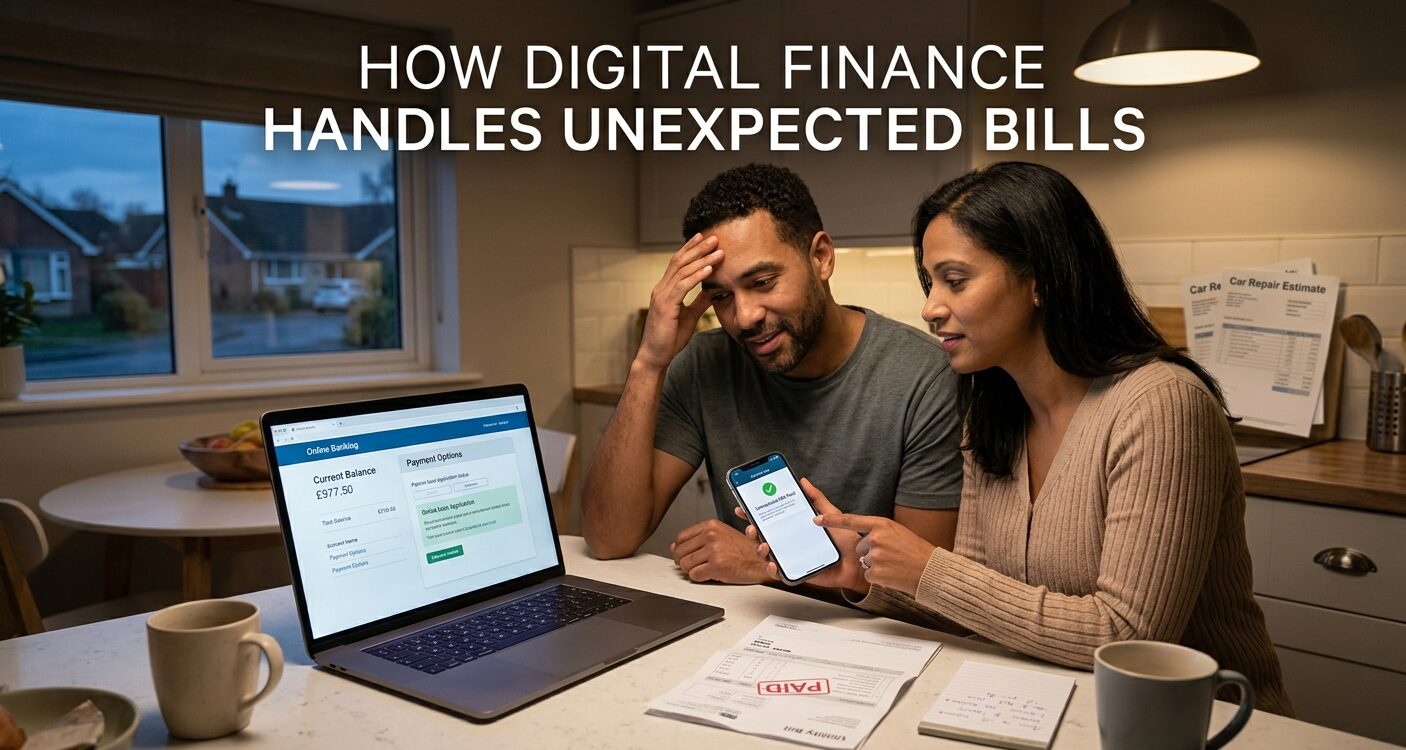
Unexpected expenses like sudden car repairs can derail your budget in an instant, but modern digital finance tools offer fast, reliable ways to secure the funds you need right when you need them.
Most people might ask friends or family for help, use savings, check insurance, or request a salary advance. Others may consider credit card options or loans from a bank or another lender.
If you choose to use a credit card or borrow from lenders, you need to understand how to use credit, the costs, and repayment terms before committing.
But how can you use digital finance to manage an unexpected expense? Digital finance makes it easier to explore ways to cover unexpected expenses through bank websites, mobile apps, and other online services. Read on to find out more about digital funding.
Disclosure. This is a sponsored guest post prepared in partnership with CreditCube and contains links to CreditCube’s website.
Disclaimer. This article is for informational purposes only and does not constitute financial, legal, or cybersecurity advice. Digital financial services, payment options, and lending products vary by provider, and availability and eligibility requirements may differ.
Before using a financial service or applying for a loan, review the full terms, fees, APR, repayment obligations, and privacy policy.
Online services may also expose users to fraud, scams, or misuse of personal information. Take steps to verify providers and protect sensitive data before sharing it. Consider your financial circumstances and available alternatives before taking on new debt.
What Digital Finance Means for Everyday Consumers?
Digital finance means using digital technology to manage money and access financial services. This is possible through websites, mobile apps, digital payments, and other online tools.
You can use these digital services to track spending, review investment information, or monitor stocks. Businesses may use them to manage payments and revenue and explore financial opportunities.
| Online banking | Lets you check balances, review transactions, and transfer money through your bank’s website. |
| Mobile banking apps | Help you manage your account on your phone. Check spending, track payments, and receive transaction alerts. |
| Digital payments | Let you pay bills and send money electronically without visiting a payment office. |
| Online loan applications | Allow you to apply for loans and review terms online. Some lenders let you complete the process without visiting an office. |
| Budgeting tools | Help you track expenses, plan for bills, and compare spending with available funds. |
| E-signatures | Let you sign eligible financial documents electronically, without printing or returning paper copies. |
| Digital account verification | Helps financial services confirm your identity or account details online. You may need to provide identification or other personal information. |
Why Unexpected Bills Used to Be Harder to Manage?
Before digital banking became widespread, consumers often had to visit a branch, call a provider, or complete paper forms to manage financial tasks. Comparing services could also require contacting providers individually.
Online services have changed how people access account information, make payments, and review financial products. However, not every service is available digitally, and online access does not guarantee faster processing or approval. Some requests still require identity checks, supporting documents, or additional review.
Faster Access to Account Information
When an unexpected bill arrives, the first step is to determine how much money you have. Digital finance services can help you do this. Through online banking and mobile apps, you may:
- Check your available bank balance.
- Review recent payments and deposits.
- Transfer money between eligible accounts.
- Identify recurring bills and upcoming payments.
- Check whether enough money is available to cover an expense.
Comparing Funding Options Online
You can compare savings, payment arrangements, credit cards, personal loans, and local assistance programs. Each option has different requirements and potential drawbacks.
If you explore personal loans, review the lender’s terms, total borrowing cost, repayment schedule, and eligibility requirements before deciding whether to apply.
While digital finance makes it easier to gather information, an online offer is not automatically right for you. Always compare funding options and consider whether repayment would leave enough money for essential expenses.
How Online Applications Have Changed Access to Financial Services?
Applying for financial services once involved paperwork and repeated trips to submit documents. Digital finance has made it easier to start an application from a computer or phone. Depending on the provider, an online application may allow you to:
- Complete forms without visiting an office.
- Submit identity, income, and other required information electronically.
- Review application requirements before submitting details.
- Check whether the provider offers application updates through its website, email, or another official channel.
- Read the proposed terms before deciding whether to accept an offer.
Some providers may offer preliminary decisions online. But these do not necessarily mean an application is approved. Verification, additional documents, and other requirements may affect the outcome.
Before uploading documents, check the website address for authenticity. Ensure you understand how the company collects, stores, and shares your personal information.
Signing Documents Without Visiting an Office
You can review and sign many financial documents using an electronic signature (e-signature). Depending on the provider and the type of agreement, you may be able to sign using a computer or phone. But you need to understand how electronic signatures work to do this seamlessly.
This is because an electronic signature can carry legal significance. Before you sign electronically, the provider should ask for your consent to use electronic records and explain how to request paper copies or withdraw that consent.
Depending on the circumstances and applicable law, it can help create a legally binding agreement. That is why you should read a document carefully before signing it electronically.
Digital Payments Help People Act Before Deadlines
A late bill can lead to extra charges, service interruptions, or other problems. Digital finance gives consumers more ways to pay bills without visiting a payment office or mailing a check. Depending on the provider, digital payment tools may help people pay:
- Utility bills. Make payments through a utility company’s website or app.
- Medical bills. Check whether a healthcare provider accepts online payments or offers a payment plan.
- Rent-related expenses. Use approved payment services to send rent and keep a transaction record.
- Car repair invoices. Pay a repair shop electronically if it supports digital payments.
- Insurance premiums. Review payment dates and submit payments through the insurer’s official platform.
Note. Many services also offer payment reminders, scheduled payments, or automatic payments. These features may help you keep track of due dates and avoid forgetting a bill.
Better Visibility Can Improve Financial Decisions
Digital finance tools can bring account activity, recurring bills, and spending records into one place. This knowledge can enhance personal finance decisions by helping you identify spending patterns, which can help you protect money needed for essential bills and plan around unexpected expenses.
For example, a budgeting app or bank dashboard may help you:
- Track spending. See how much goes toward food, transport, utilities, and other needs.
- Review upcoming bills. Identify payments that may fall due before your next paycheck.
- Spot recurring charges. Find subscriptions or services you no longer use.
- Check available funds. Compare your balance with expenses due soon.
- Track repayment obligations. Keep loan payments and other debts visible alongside regular bills.
The Risks of Handling Bills Through Digital Finance
While digital finance makes it easier to manage payments and compare financial options, there are risks. These risks can arise when you are reviewing an investment, tracking stocks, or deciding how to cover an emergency bill.
- Borrowing more than needed. An online offer may make borrowing feel simple. However, taking on extra debt increases the amount you must repay and may strain your budget.
- Overlooking interest and fees. A low payment amount does not necessarily mean borrowing is inexpensive. Review the APR, applicable fees, repayment schedule, and total amount payable. Expensive installment loans can put pressure on future paychecks, particularly when repayments compete with rent, food, utilities, and other essential expenses.
- Missing repayment dates. Automatic reminders can help, but they may fail or go unnoticed. Missed payments could lead to late fees, collection activity, an impact on your credit, or other consequences under the agreement.”
- Skipping the terms. Accepting an offer without reading the agreement may mean you miss payment terms or data-sharing practices.
- Using unverified platforms. Fake websites and messages may imitate legitimate financial companies to collect money or personal details.
- Sharing too much information. The ease with which you can share information can make you overshare your personal information. Since some websites collect information and share it with other companies, this can become a problem. Check the privacy policy before submitting sensitive details.
How to Use Digital Finance Responsibly for Unexpected Bills?
Sharing personal financial information online carries risks. Taking precautions can protect your data and help you prepare for future expenses. Below are ways you can use digital finance systems responsibly.
- Visit your bank through its official website or verified app.
- Avoid financial services whose identity and legitimacy you cannot verify.
- Use strong, unique passwords and enable two-factor authentication where available.
- Never share your PIN or one-time password with someone contacting you unexpectedly.
- Read privacy notices before submitting sensitive information.
- Monitor account activity and report suspicious transactions promptly.
- Check your available balance before authorizing a payment.
- Confirm recipient details before transferring money.
- Compare the total cost and repayment schedule before borrowing.
- Set payment reminders around confirmed payday and bill dates.
- Review upcoming essential expenses before committing to a new payment.
- Keep receipts and transaction reference numbers.
- Verify unexpected payment requests through an official contact channel.
The Future of Digital Finance and Emergency Expenses
Digital finance continues to evolve, giving consumers more ways to manage unexpected bills. Future services may offer faster payments, smarter budgeting tools, and personalized spending alerts. Also, automated bill reminders and earlier warnings about potential cash shortages are possible.
There are claims that AI may help users spot suspicious transactions and track spending in real-time. “It may also help people organize their financial information and plan their budgets. Large banks and other financial institutions may use AI to process documents, support customer service, and analyze financial information.
Other technologies may change how money moves between countries. Blockchain tokenization could help make some financial transactions easier to process.
The Bank for International Settlements (BIS) studies how digital technology affects financial services. Its research includes new ways to improve cross-border payments and the possible role of central bank digital currencies.
However, technology cannot guarantee financial success. Users still need to check fees, protect personal information, and understand payment terms. Digital services cannot remove a bill or guarantee access to funding. Strong security and responsible data handling remain important as financial technology develops.
Conclusion
Digital finance has changed how people respond to unexpected bills. You can now check account balances, compare funding options, sign documents, and pay bills online. However, convenience alone does not make a financial decision sound.
You may need to build your financial knowledge and make sure any financial decision fits your budget. Before choosing a funding option, compare the alternatives. It is important to review the privacy policies, repayment terms, and total costs.
FAQ section
What Is Digital Finance?
Digital finance is the use of digital technology to manage money and access financial services. It includes online banking, mobile payments, budgeting tools, digital lending, and electronic document signing.
How Does Digital Finance Help With Unexpected Bills?
Digital finance can help people check account balances, review upcoming expenses, and compare funding options. It also helps users submit applications, pay bills online, and make financial information easier to access. But these tools do not guarantee that funding will be available or that borrowing will be affordable.
Is Digital Finance the Same as Online Banking?
No. Online banking is one part of digital finance. The broader term also includes digital payment services, budgeting platforms, online lending, electronic signatures, and other financial technology tools.
What Should People Check Before Using Digital Finance to Cover a Bill?
Check the total cost, APR, fees, repayment terms, due dates, and the provider’s reputation. Review your budget to see whether you can manage the payments alongside essential expenses. Also, check how the provider handles your personal information.
Are Electronic Signatures Valid for Loan Documents?
Electronic signatures are generally recognized in the United States under the federal Electronic Signatures in Global and National Commerce Act (E-SIGN Act), subject to certain exceptions. Before signing, read the full agreement, check the repayment terms, and keep a copy of the signed documents.