
Construction has traditionally relied on on-site assembly, characterized by delays, waste, and labor shortages. Prefabricated construction is emerging as the primary option. It moves manufacturing into regulated factory environments for faster assembly, consistent quality, and reduced waste. AI and robotics are driving this shift, optimizing design and automating assembly. This article discusses how such technology is reshaping construction.
Precision Manufacturing Through AI-Driven Robotics
The factory setting of contemporary prefabrication has little in common with disorderly construction sites. Inside these facilities, climate-controlled environments ensure consistent conditions for every cut and assembly.
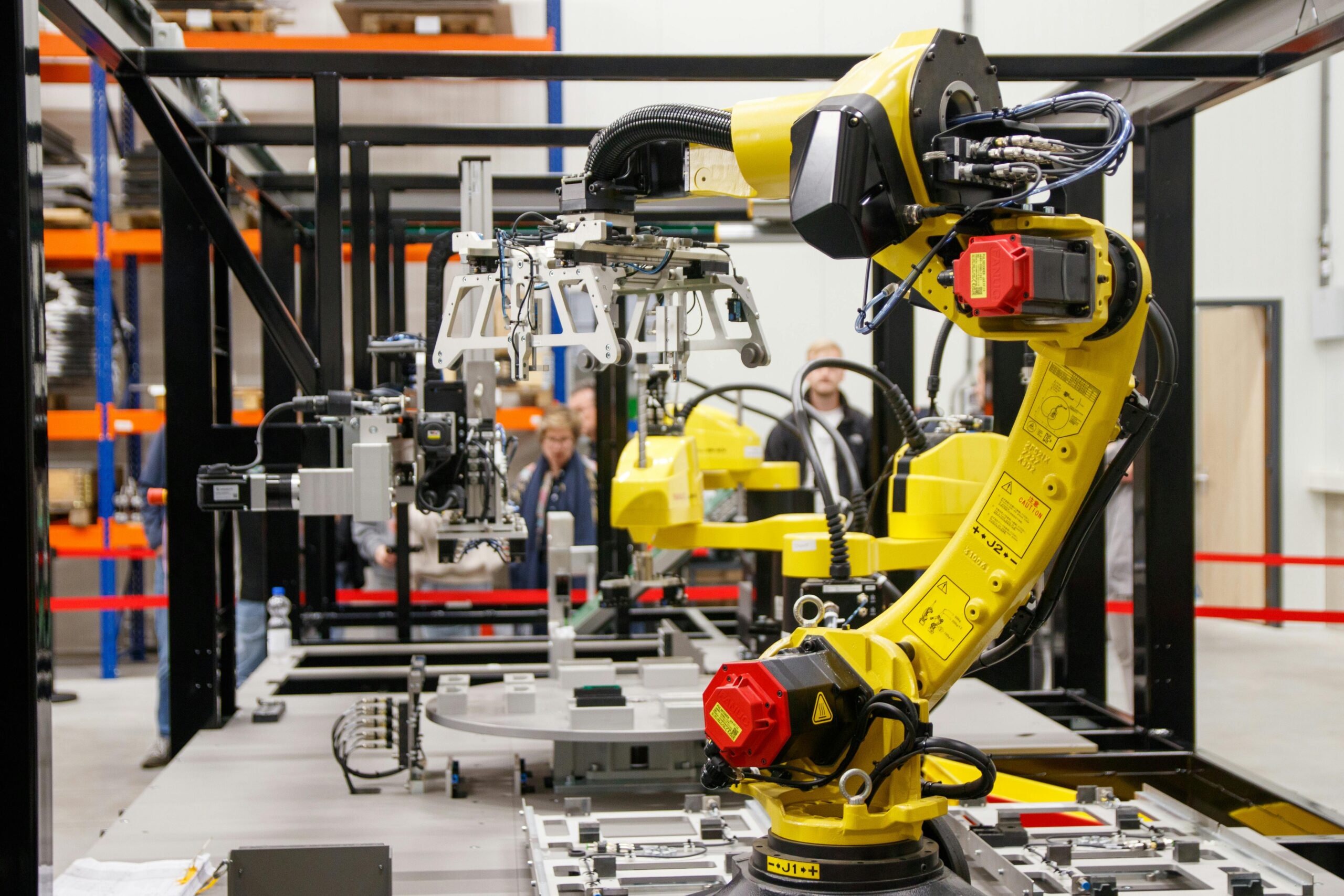
AI-controlled robotic arms cut framing components with millimeter precision. Complementary vision systems verify these cuts instantly, preventing minor errors from compounding into major structural issues. This ensures each piece fits perfectly before leaving the factory.
These systems gain insights from every operation, improving movements to enhance material efficiency and minimize waste. A wall panel made in such a facility arrives at the site with openings accurately positioned for windows, doors, and utilities, eliminating the necessity for cutting on site.
This accuracy directly results in enhanced building performance. The precision translates into measurable gains in energy efficiency, often exceeding traditional building code requirements. Perfectly square walls create tighter envelopes that lower energy use. Consistent practices reduce air leaks and moisture. This increases building lifespan and cuts maintenance costs.
For both homeowners and developers, the disparity in quality between factory-built and site-built elements is apparent throughout the structure’s life. The prefab method, powered by robotic precision, delivers quality that conventional techniques cannot match.
Streamlined Supply Chains and Predictive Scheduling
AI is quite effective at dealing with complexity, organizing the thousands of components involved in even small projects. It can track supplier performance over time, flagging risks before they disrupt production. AI reviews supplier lead times, transport routes, and factory schedules.
The system adapts instantly to changes such as traffic delays or port congestion by integrating real-time logistics data. This means materials arrive exactly when needed, avoiding costly delays. This optimization also applies to the construction site. AI can forecast the optimal assembly sequence, reducing crane operating time and minimizing disruptions.
Weather, historically a hindrance to construction schedules, has a significantly reduced impact when parts are produced indoors. AI models use historical data and current predictions to plan site activities under optimal conditions, while the majority of construction continues unimpeded within the factory.
For developers, this reliability changes the financial model of construction. Financing costs decrease when schedules are dependable, allowing marketing teams to provide confident completion deadlines.
The outcome is a process that operates with the precision of manufacturing rather than the unpredictability of conventional construction.
Mass Customization Without Cost Penalty
The most revolutionary aspect of AI-driven prefabrication may be its ability to deliver personalized design with production-line efficiency. Traditional construction treats customization as a cost driver, with each deviation requiring expensive on-site modification.
In a robotic prefabrication facility, customization becomes a software problem rather than a labor problem. The same robotic arms that produce standard panels can just as easily produce panels with custom window replacements, altered dimensions, or unique features.
Design variations that would halt a traditional job site for days are accommodated with simple programming changes.
This capability opens new possibilities for residential development. Homebuyers have the choice of a variety of floor plans, finish packages, and architectural details without the premiums traditionally associated with custom building.
Builders can also offer a variety of product lines without compromising on efficiency. The future of prefabricated homes lies in AI-powered design and robotic manufacturing. They will be custom-made, built with precision and efficiency rather than generic uniformity.
Transforming the Workforce Through Automation
Robotics in prefabrication is changing the construction workforce to address labor shortages. Conventional construction often relies on skilled workers performing strenuous jobs in varied settings.
However, automated factories generate new positions centered on programming, machinery upkeep, and quality control.
Workers who previously committed their careers to monotonous duties on job sites now manage sophisticated equipment and oversee manufacturing processes. They also oversee robotic systems that tackle the most physically strenuous elements of construction.
The industry can consequently retain talent longer by offering career progression that was previously unavailable in manual labor.
This change has significant consequences for both employee safety and professional growth. Factory environments remove the dangers linked to working at heights, exposure to weather extremes, and the variable circumstances of busy job sites.
The work becomes more reliable, featuring consistent hours and regulated conditions that make construction careers more accessible to a broader range of individuals.
This change presents the industry with a way to attract younger employees who might have been put off by the demanding nature and uncertainty of conventional construction, while also boosting productivity through automation that doesn’t tire or require sick leave and ensures uniform accuracy across all manufactured units.
Sustainability Through Material Efficiency and Waste Reduction
AI-focused prefabrication offers a stronger sustainability case as the sector faces mounting resource shortages. Conventional construction creates significant waste.
Materials are ordered in excess, adjusted on-site, and discarded when measurements are inaccurate. Robotic prefabrication reverses this model.
AI systems optimize material layouts using algorithms that reduce offcuts, frequently achieving 95% operational efficiency compared to 74% with traditional methods.
Scrap produced in the factory is sorted and repurposed rather than combined with demolition waste and disposed of in landfills.
In addition to material efficiency, the accuracy with which factories are built results in buildings that perform better over their life cycles. Stricter tolerances reduce air leakage and heating and cooling requirements, resulting in smaller carbon footprints.
The controlled factory setting also provides ideal insulation, air seals, and moisture barriers that directly address the performance issues common in traditional building methods.
Prefabrication is particularly well placed to provide buildings that are highly environmentally sustainable, as building codes increasingly focus on energy efficiency and embodied carbon.
Not only do they produce less waste than traditional buildings, but they also use fewer resources, and their quality surpasses that of many conventional buildings.
Endnote
AI and robotics in prefabricated construction mark a fundamental shift in how buildings are designed and assembled.
Precision robotics ensures quality beyond traditional methods. AI streamlines supply chains by making them more predictable.
Customization without added cost makes personal design accessible. As these technologies mature, factory-built methods will outpace the inefficiencies of site-built methods.




