
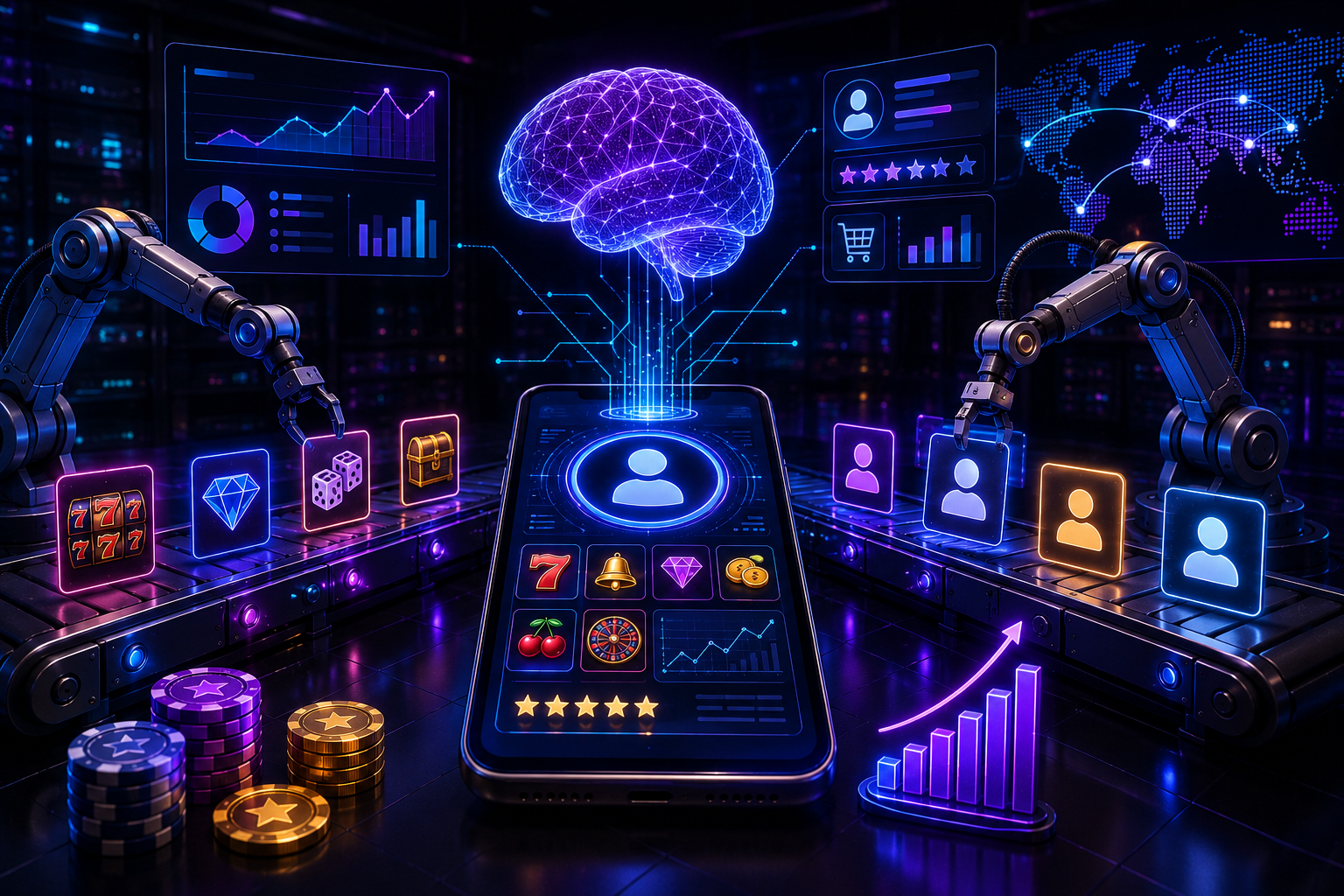
The next wave of digital entertainment will not arrive through better graphics or faster processors. It will come from invisible systems that learn, adapt, and make decisions without human input. Automation already reshapes how people play, spend, and interact with virtual platforms.
For those seeking a personalized online experience, charmius-canada.com demonstrates how automated systems curate real-time recommendations and game selections based on individual behavior patterns.
This platform uses machine learning to adjust its offerings instantly, creating a fluid and responsive environment that feels tailor-made for each user. The implications stretch far beyond simple convenience.
Key Facts About Automation’s Market Impact
These statistics reveal how quickly automated systems are rewriting the rules of digital entertainment:
- Automated recommendation engines now process over 2.5 billion real-time data points per second in the gaming sector.
- Predictive algorithms have increased average session retention times by 38 percent since 2023.
- By mid-2026, industry analysts project that 60 percent of all digital bonus distributions will use fully automated trigger systems.
- Fraud detection automation has reduced chargeback rates by 72 percent on major platforms over the past 18 months.
- Adaptive difficulty scaling, powered by real-time player analytics, now appears in 45 percent of new digital entertainment products.
- Server-side automation for slot mechanics can now generate over 1 million unique reel combinations every hour.
How Algorithmic Curators Change Player Choices
Platforms no longer rely on static menus or human curators. Automation studies every click, pause, and streak. It learns which themes draw attention and which features drive repeat visits. This creates a feedback loop where the system continuously refines its offerings.
Players never see the same layout twice. The algorithm factors in time of day, past wins, favorite features, and even browsing speed.
This level of personalization was impossible five years ago. Now it happens in milliseconds. The result is a more relevant, more engaging experience that keeps users returning without needing aggressive marketing tactics.
The Quiet Revolution Behind Jackpot Mechanics
Jackpot systems once followed predictable schedules. A win occurred every few thousand spins, and players learned the patterns.
Automation replaces this rigid structure with dynamic probability models. Modern algorithms analyze win frequency across global user populations in real time. They adjust triggers based on current user engagement, promotional cycles, and even external events.
This creates a living jackpot environment where the stakes change subtly and continuously. Players experience genuine unpredictability.
The system never feels rigged because it adapts organically to actual user behavior rather than a pre-written script.
Real-Time Scoring and Instant Feedback Loops
Traditional slots relied on mechanical reels and digital random number generators that ran fixed cycles. Automation introduces real-time scoring that evaluates every spin in context.
The system recognizes streaks, celebrates milestones, and adjusts visual feedback based on emotional data inferred from play speed and pattern changes. When a player hesitates, the algorithm offers a visual signal. When they accelerate, it enhances tempo.
This creates a symbiotic relationship between human emotion and machine response. The game does not just entertain. It listens.
This technology originates from research into autonomous user interfaces, originally developed for medical training simulations.
Credible sources like the IEEE’s research on adaptive systems and Statista’s market data on behavioral analytics confirm these automation trends are accelerating across all digital entertainment sectors.
The transformation will not stop with personalization or dynamic mechanics. Automation enables entirely new business models.
Platforms can now offer hourly subscription access instead of fixed-purchase bundles. They can adjust their pricing models based on how users actually engage rather than arbitrary tiers. The barrier between playing and managing a digital experience collapses.
Tomorrow’s digital entertainment platforms will not wait for your money or your attention. They will earn both by offering experiences that simply feel right every single time you interact. That is the real promise of automation, and it is already delivering results.




