
Picture that you aim to demonstrate to a master chef how to prepare a complex, new dish. The conventional approach would entail demanding that every amateur cook in the country submit a copy of their secret family cookbook to you.
These millions of private books would be gathered in a vast, central repository, examined for patterns, and you would then direct the chef accordingly. It works, but it signifies a massive privacy disaster. As all those personal recipes are gathered in one place, they become a tempting target for thieves.

To be honest, most people wouldn’t feel comfortable sending out their personal cookbooks in the first place.
Now, envision a better way. Instead of collecting the cookbooks, you send the apprentice chef to each kitchen. In each household, the cook discreetly examines that one unique cookbook.
He notes the general techniques, typical flavor combinations, and nuanced twists that enhance dishes, but he never carries the cookbook with him.
He carries his growing knowledge to the next kitchen. He returns to the master chef at the end of his journey as a brilliant culinary expert, having learned from everyone and without possessing anyone’s secret recipes.
This is the elegant, revolutionary idea behind Federated Learning, which is a powerful new approach to building artificial intelligence that is quietly changing the game.
It is making our devices smarter while fiercely protecting our privacy, and might even one day be incorporated onto our most beloved gaming platform, Betchan. Keep reading to stay ahead of the technical curve!
What is Federated Learning?
At its heart, Federated Learning flips the traditional AI model on its head. Normally, to train an AI, companies need to amass enormous amounts of data on their central servers.
Your photos, your typing habits, your voice commands, they all get uploaded to the cloud to be crunched by powerful computers.
This process creates smart services, but it also creates massive, centralized databases of our personal information. These are honeypots for hackers and raise serious questions about who owns and controls our digital lives.
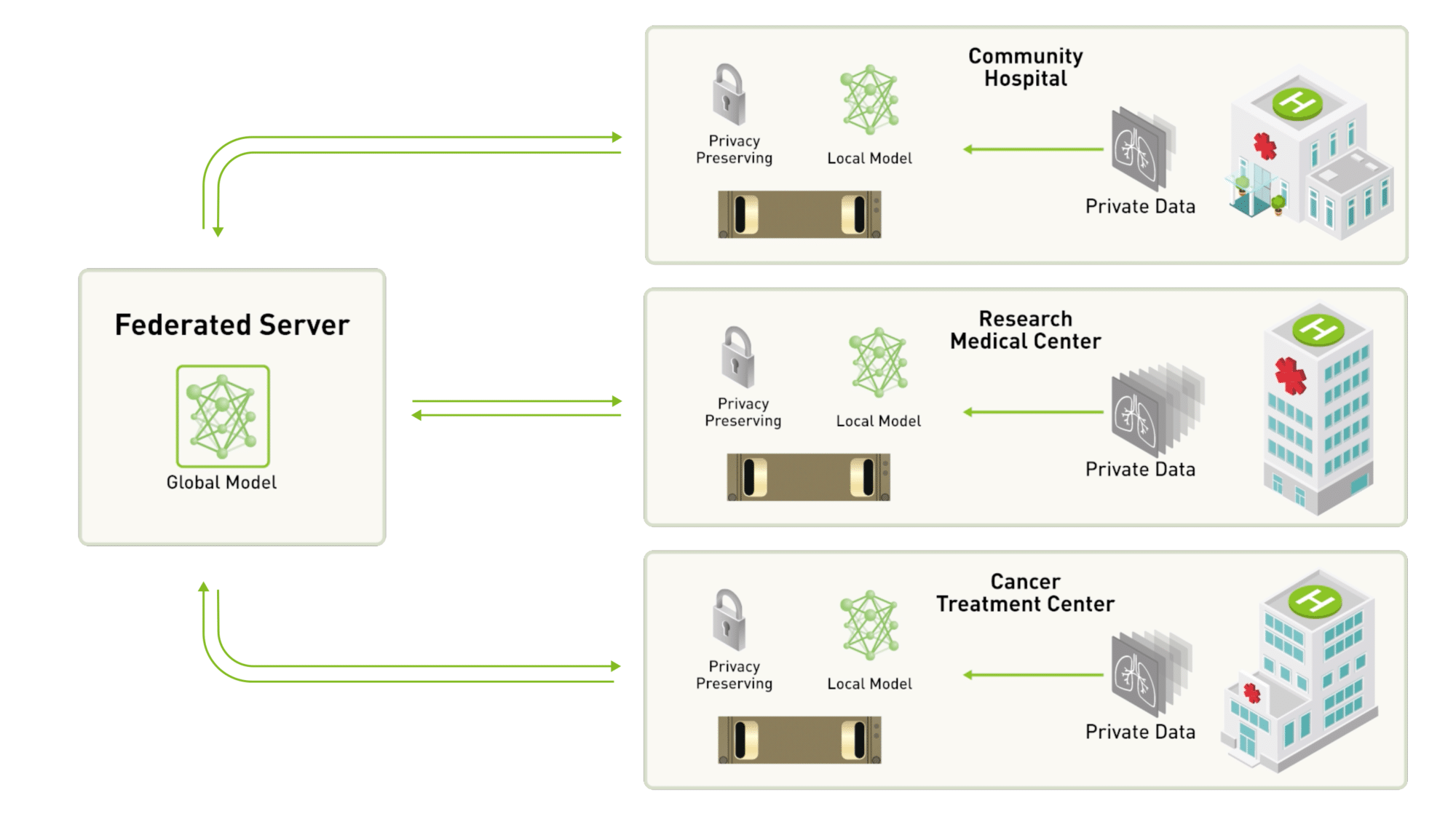
Federated Learning says, “What if the data never had to leave your device?” and instead of data coming to the model, the model goes to the data.
Let’s say a company wants to improve its smartphone keyboard’s predictive text:
The Federated Learning Process:
- The Central Server starts by creating an initial “global” AI model. It’s a blank slate, knowing nothing about how people type.
- The Model Travels to your phone and millions of others. It doesn’t take your data; it comes to learn from it locally.
- On-Device Learning happens in the background. The model studies your typing habits, like the words you use, the slang you love, and the names of your friends. It learns from this intensely personal data, but that data never leaves your phone. It stays locked away in your device’s secure memory.
- Only the Lessons, Not the Data, are sent back. After learning from you, the model on your phone creates a small summary report, which is a list of tiny mathematical adjustments called “weights.” This report is like the apprentice chef’s notes; it contains the wisdom gleaned from your data, but not the data itself. It’s an anonymous, encrypted insight.
- The Server Aggregates these thousands or millions of reports from many devices and averages them out to create a smarter, more well-rounded “global” model.
- The Cycle Repeats, with the improved model being sent back out to devices. With each cycle, it becomes more accurate, more personalized, and more intelligent.




