
Most business leaders write off gaming as pure entertainment. They’re missing something fundamental about how strategic thinking develops. The mental habits players develop from hours in game worlds? They show up in unexpected places.
Reading the room, stretching what little you have, staying sharp when everything’s moving fast – turns out these show up everywhere, not just in games. They’re what keep you alive in modern markets.
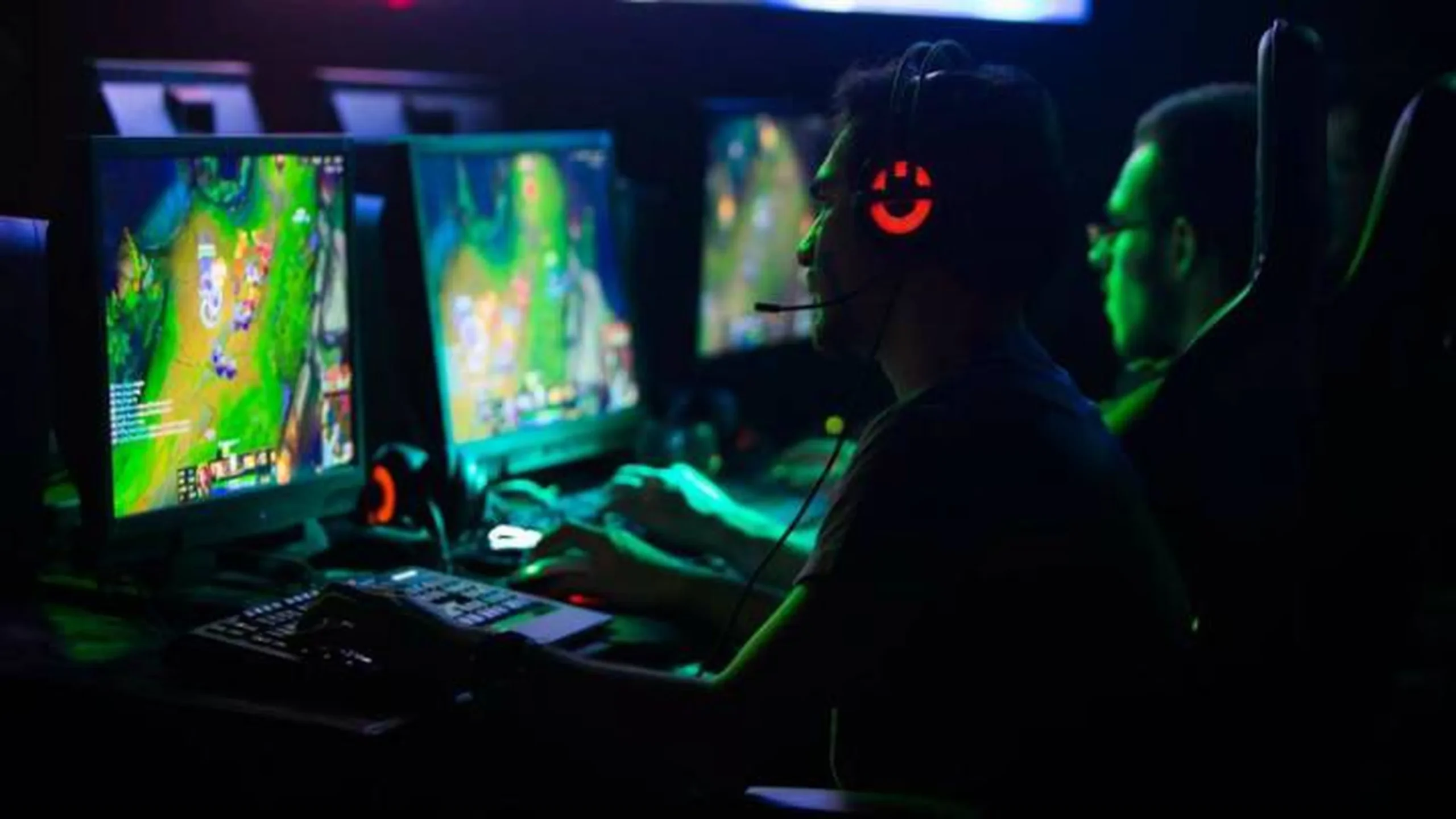
Reading the Room: Why Pattern Recognition Trumps Intuition
Games put you in situations where you either learn to read patterns fast or fail over and over. Fighting game communities spend thousands of hours breaking down the tiniest details, studying tendencies, recognizing setups before they develop.
This obsessive pattern analysis? It mirrors what successful businesses do with market data and customer signals.
The difference shows in how fast they execute. Players who’ve spent time in competitive gaming? Something changes about how they read situations. They see the setup forming while others collect information. Markets don’t wait around.
Spotting patterns when you don’t have all the pieces? That creates opportunities competitors miss entirely.
Business teams pour over quarterly numbers, surveys, focus groups. Players study their matches, switch up their approach on the fly, change tactics when they see how opponents play.
Making Every Resource Count When There’s Never Enough
Gaming throws brutal lessons at you about making every resource count. Spend resources on immediate advantages or save them for later when they matter more? Invest in offense or defense? Expand quickly or consolidate position?
Players develop ways of thinking about how to use what they’ve got when outcomes are uncertain. They figure out what they’re giving up instinctively. Business teams figuring out how to use resources work with the same ideas, with higher stakes.
Where does that gaming background show up most? How quickly they decide. Players who’ve absorbed these lessons through thousands of matches don’t need spreadsheet models to weigh their options. They see the math intuitively, spot wasteful approaches instantly.
In fast markets, that speed advantage becomes everything. The person who moves first while everyone else is still processing usually takes the win.
The Only Constant Is Change: Adapting or Dying
How the game works evolves constantly. Strategies that dominated last month? They stop working as people figure out counters and try new approaches. Without adapting constantly, things fall apart fast.
This pressure to keep evolving? Players end up adapting instinctively to whatever changes come their way. They don’t get attached to strategies that worked previously.
Business markets follow the same evolutionary rhythm. What gave you an edge yesterday stops working, fresh tactics show up, the rules of the game shift, what customers want changes. Companies moving too slowly find themselves left behind, wondering what happened.
The gaming mindset of constantly adapting and evolving strategy? That fits what modern markets need better than traditional business planning that assumes things stay stable.
Watching Your Rivals: The Value of Studying What Actually Happens
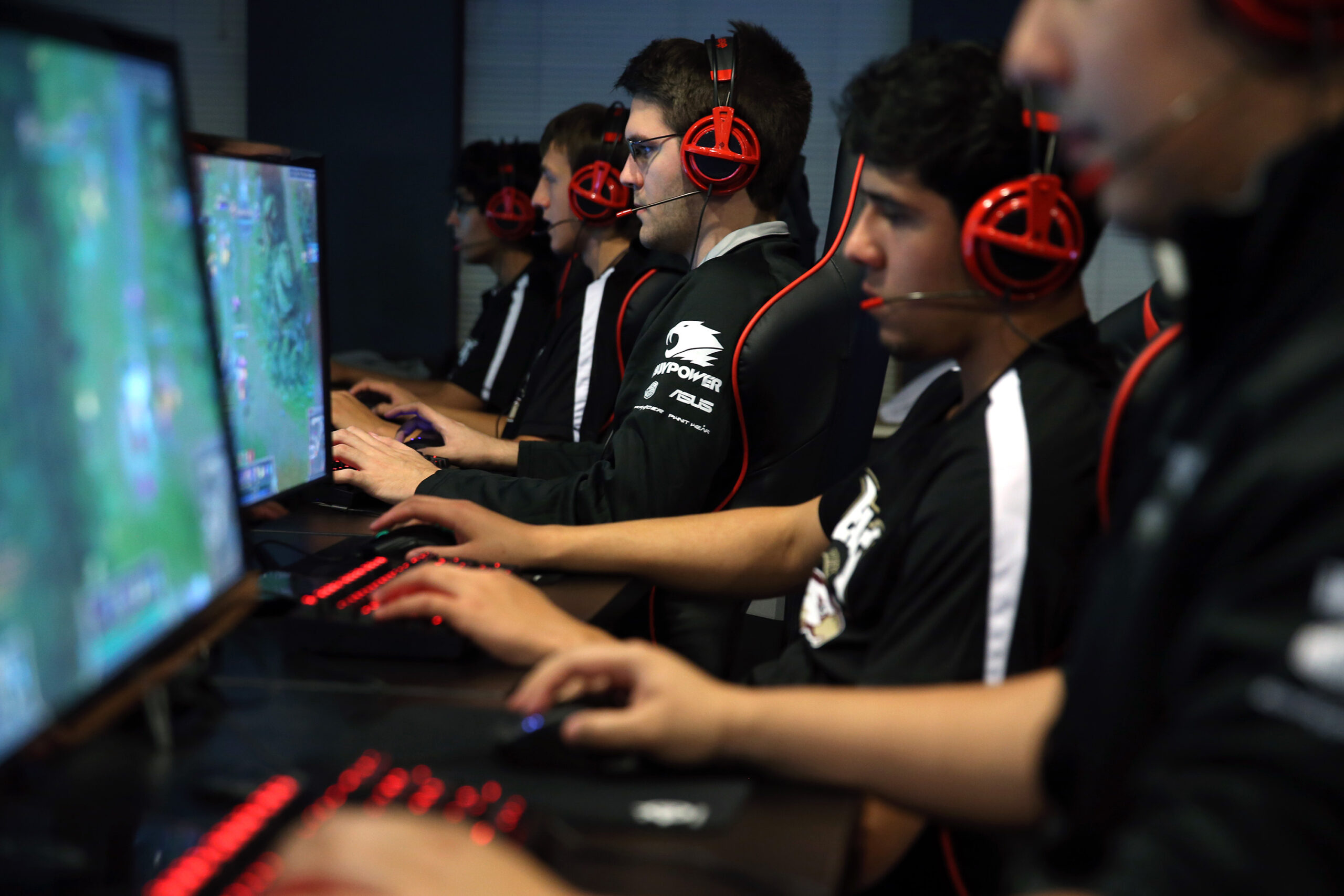
Top players obsessively study their competition. They watch replays, break down what works, spot patterns in decisions, find weaknesses.
How gamers study their competition? They watch more than they theorize. You don’t assume how competitors will behave. Instead, you’re watching what they actually do, catching patterns as they develop, finding the gaps in their approach.
How businesses study their competition leans too hard on theory. Most companies build elaborate models of how rational competitors should behave rather than just observing how those competitors actually operate in their market.
Gaming communities share information openly. Players talk about what works, what counters it, what’s emerging in the game. Everyone learns faster that way.
Learning Through Failure: Why Experimentation Beats Analysis
Players experiment constantly with new strategies, test unconventional approaches, try risky plays to gather information. They reframe failure as feedback instead of catastrophe. This willingness to experiment? You develop a sense for what risks are worth taking.
Business leaders often struggle with taking risks because they don’t get enough chances to practice and learn from failure. They get the theory that risk fuels growth. But emotionally, the prospect of failure still makes them hesitate.
Gaming creates this interesting comfort with taking risks through thousands of low-stakes experiments. You figure out what risks pay off versus which ones don’t.
How gamers think about risk? They learn by doing. Try approaches, measure results, iterate quickly. That’s closer to how modern business actually works than traditional risk-averse cultures that obsess over potential downsides while missing the learning value.
When the Pressure’s On: Coordinating Teams in Chaos
Multiplayer games demand tight team coordination. Players communicate constantly, sync their timing, cover weaknesses, combine strengths. This coordination happens under time pressure with incomplete information and opponents actively disrupting coordination attempts.
What you develop coordinating in games? It shows up when managing teams. Fast-paced projects, crisis response, competitive launches, rapid pivots – games put you through all of it under pressure.
Modern action games create particularly interesting coordination challenges. Players manage multiple teammates, adjust strategies based on who’s on the team, communicate efficiently under pressure, keep everyone working despite chaos.
Those challenges look a lot like business team dynamics, more than you’d find in traditional business training.
Coordinating between humans and AI systems? That’s becoming standard in business now. The rise of ai in video games changed coordination entirely. Players now juggle human teammates and AI systems simultaneously.
The application of ai in video games has fundamentally shifted how games work, creating new strategic possibilities and requiring players to adapt to AI behaviors that don’t follow human patterns.
Playing the Long Game: Why Position Matters More Than Points
Thinking only about the immediate play? That’s how you lose. Players chase immediate advantages, damage opportunities, resource gains while sacrificing position.
They win the battle, lose the war. Positioning ends up mattering more than quick wins through painful lessons where short-term victories lead to collapse.
How businesses approach their goals involves identical tradeoffs. Companies chase quarterly results while sacrificing long-term position. They win immediate market share gains while creating weaknesses in their position.
What’s interesting is how gamers think about positioning versus momentary advantages. Where you stand strategically builds on itself over time, while quick wins often prove temporary.
Product development, where you stand in the market, how you compete, resource use, all involve the same balancing act between immediate opportunities and long-term position. Those tradeoffs look familiar if you’ve spent time gaming.
The Art of Not Reacting: Balancing Response and Direction
Players who just react to whatever their opponent does, bouncing around without any real direction? They end up losing consistently. There’s a balance to it – immediate responses versus keeping your long-term direction.
Business leaders face the same challenge. Market conditions demand responses. Competitor moves require counter-moves.
That balance between keeping your overall direction while handling immediate pressures? Repetition in games hammers it home.
From Controller to Conference Room: Translating Gaming Skills
What gaming builds? It’s becoming more relevant to business, not less. Markets move faster. How competition works shifts more rapidly. Information overload intensifies. Working together gets more complex. What gaming builds in your head ends up aligning with modern business more than traditional business education does.
Games force you to spot patterns through repetition until you see what’s happening. They squeeze more from limited resources by giving you too little to work with. Uncertainty becomes second nature because you can’t avoid it.
Figuring out what risks are worth taking? That happens through trying things that might blow up spectacularly.
You gather intelligence by watching what works for others. Strategic patience comes from resisting shiny opportunities over and over. Team coordination develops under pressure when overthinking isn’t an option.
Business leaders who dismiss gaming as entertainment? They’re missing training grounds for modern strategic thinking. The best strategic minds increasingly come from gaming backgrounds because of it. They’ve spent thousands of hours developing the mental skills modern business environments demand.
Strategic thinking, patience under pressure, continuous adaptation, these aren’t abstract concepts in gaming. They’re practical necessities you develop through repeated application or you simply lose.
Business leaders who’ve ground through those thousands of gaming hours? Something’s different about how they operate.
What gamers bring to business isn’t about faster reflexes. It’s about ways of thinking built through thousands of hours navigating complex, competitive, rapidly-shifting environments where strategic thinking determines outcomes.




