
The fax machine served businesses well. For decades, it was the go-to for sending signed documents fast, and offices built entire workflows around it.
Then the internet changed everything, and the fax machine became the most outdated piece of equipment in the room. Online faxing didn’t just replace the hardware. It rethought the whole process.
Why Traditional Faxing Fell Short?
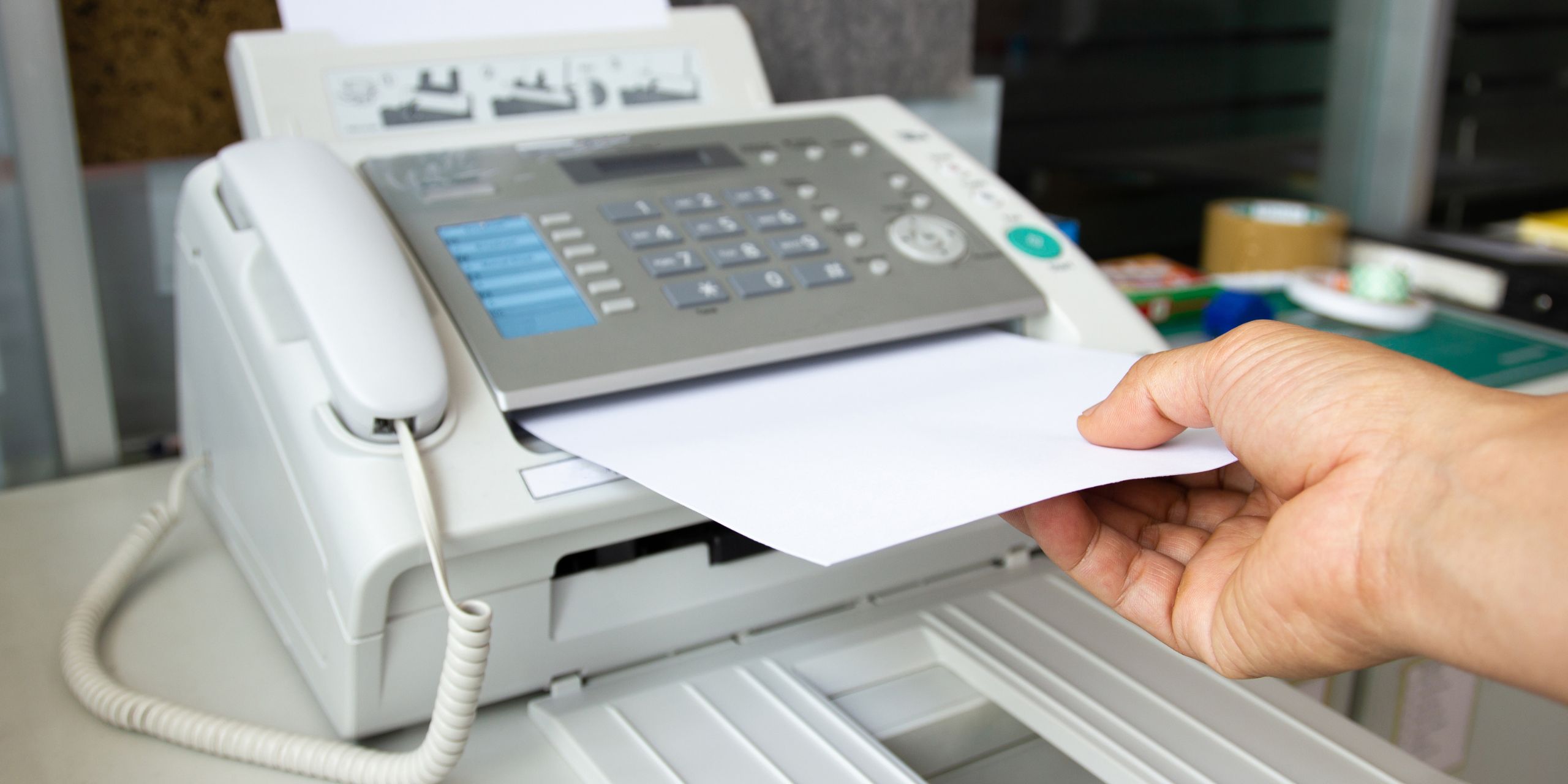
Physical fax machines were never as reliable as people assumed. You needed a dedicated phone line, a working toner cartridge, and someone physically present to retrieve whatever came through. Incoming documents piled up on a shared tray, visible to anyone who walked by.
Missed transmissions went unnoticed until a deadline had already passed. These limitations are why platforms like eFax handle document transmission more reliably.
For industries where documents carry real weight, like healthcare, legal services, and finance, those gaps weren’t just inconvenient. They created compliance exposure. A delayed contract or a lost patient record isn’t a minor administrative hiccup.
The machine itself was a recurring cost center too: paper, maintenance, and repairs, none of which scaled gracefully as teams expanded or started working remotely.
What Online Faxing Actually Does Differently?
Online faxing means no phone line. No paper tray. And no waiting. Documents go out over the internet and land directly in an email inbox or a cloud portal, depending on how the recipient’s account is set up.
Send from a laptop, a tablet, or a phone. It doesn’t matter. The transmission takes seconds, and most platforms include delivery confirmation so you’re not left guessing whether it arrived.
Storage is where the real day-to-day difference shows up. Physical fax produced paper, and paper required filing, which required space, and eventually someone spends an afternoon digging through folders for a document from three months ago.
Digital systems store everything automatically. Documents are searchable, sortable, and accessible from wherever you’re working. That’s not a minor convenience upgrade.
Security and Compliance
Most people don’t think about how exposed a traditional fax transmission actually was. The signal traveled over a phone line with no encryption. On the receiving end, documents came out of a shared machine in a common area. No audit trail. No access log. Just paper sitting in a tray.
Online fax platforms changed that entirely. End-to-end encryption is standard on most services, and many platforms are built specifically to meet regulatory requirements. Healthcare organizations still rely heavily on fax because email doesn’t satisfy HIPAA on its own.
An online fax solution that’s built for compliant transmission gives medical practices a way to keep up with document volume without reverting to paper-based systems.
Legal teams have the same needs. Signed agreements, sensitive case materials, and court filings need traceable, documented delivery.
Timestamps, delivery receipts, and encrypted storage aren’t nice-to-have features. In professional contexts, they’re the baseline.
The Remote Work Factor
Here’s something that accelerated the shift faster than most expected: when offices became distributed, the physical fax machine became completely inaccessible overnight. Remote employees still needed to send and receive documents.
Online faxing closed that gap without requiring any real transition period. A team member working from a home office sends a signed agreement the same way someone at a headquarters location does. No extra steps, no forwarding setup, no driving into the office for a single page.
When distributed teams need reliable document transmission across locations, a well-established online fax service handles that without specialized hardware or a complicated onboarding process. The document gets where it needs to go, securely, from whatever device the sender is using.
Document Formats and Integration
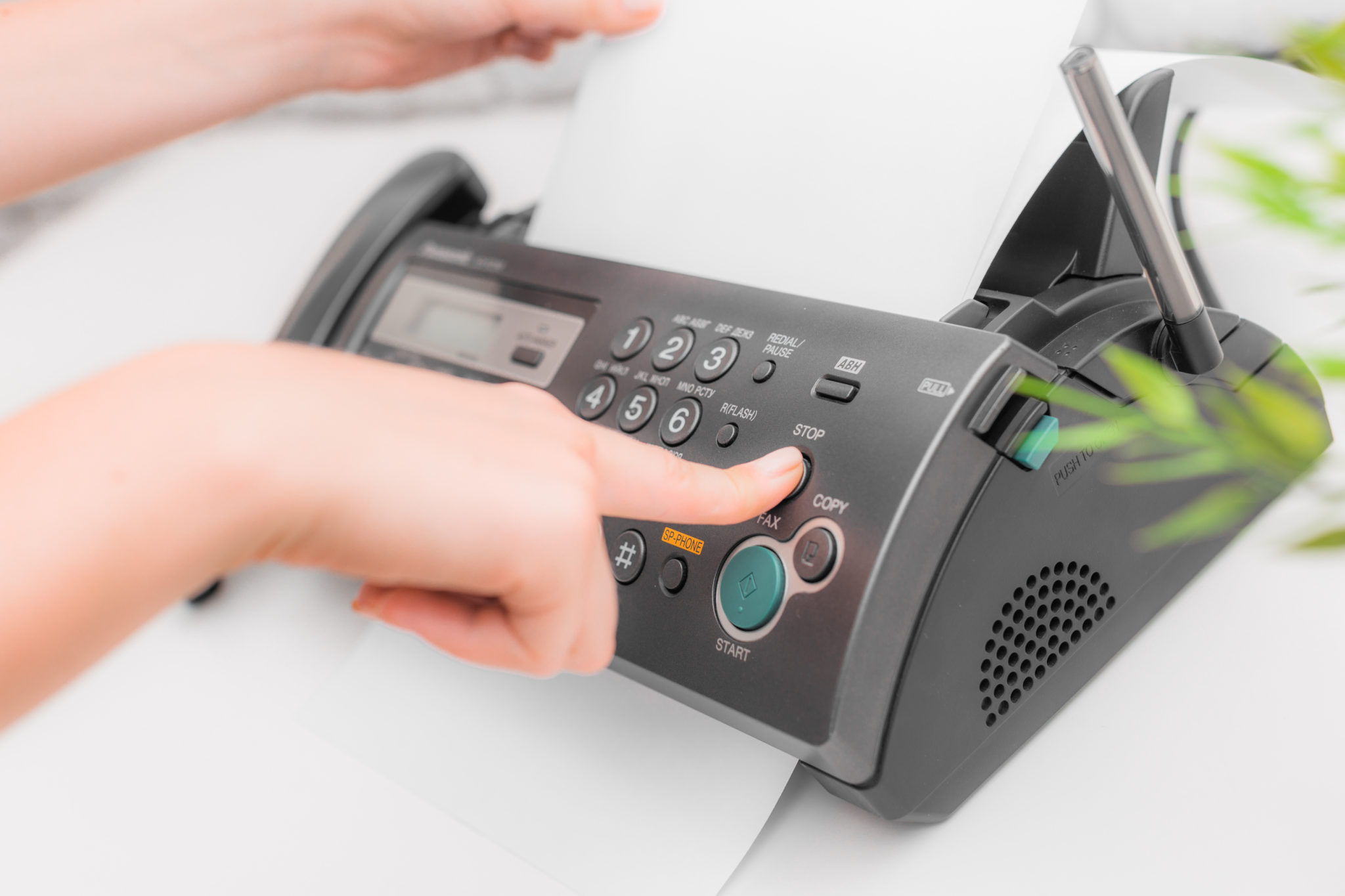
Traditional fax machines only understood paper. Online systems accept PDFs, Word documents, image files, and more. Nothing needs to be printed; just attach the file and send it.
Many platforms also connect with tools businesses already use daily, like cloud storage, email clients, document management systems, and CRMs.
That kind of integration trims the manual steps out of document handling. Less copying, less re-uploading, and fewer chances for something to fall through the cracks.
Conclusion
The demand for fax capability didn’t disappear. It just moved. Healthcare and legal sectors still prefer fax transmission because of its compliance track record and low error rate.
What shifted is the method, away from hardware and toward secure, device-agnostic platforms that fit how teams actually operate.
The reality is, online faxing isn’t a workaround for people still attached to old workflows. It’s the current standard for organizations that need secure, documented document delivery at any scale. The paper machine served its purpose. Its replacement is just better in most of the ways that matter.




