Contracts between workers and employees are among the most important documents a business produces. They are also very difficult to negotiate and enforce, as they outline the obligations and responsibilities of both parties.
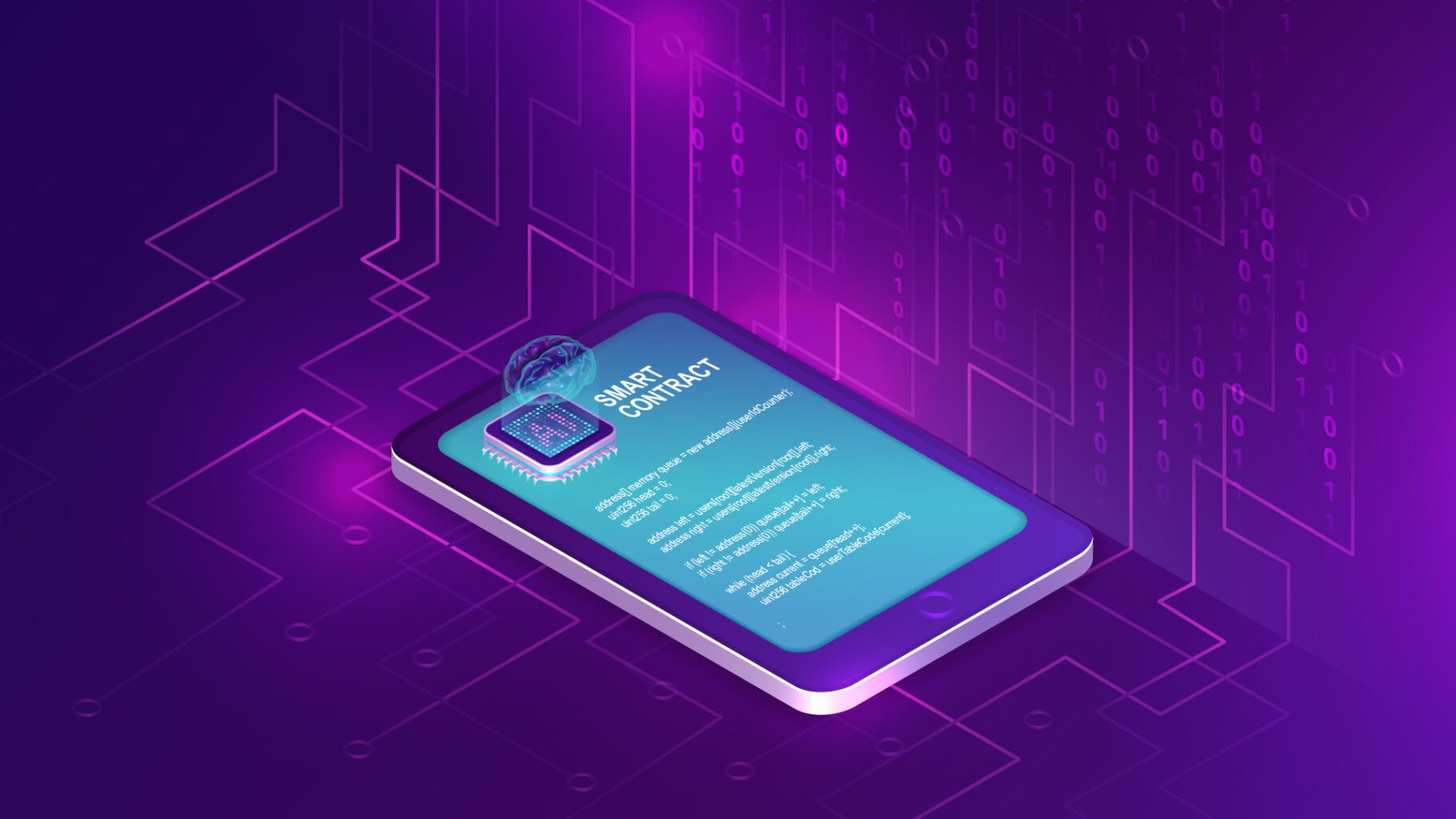
Smart contracts based on blockchain technology have changed labor regulations, just as they have in all other industries they are used in.
In this article, we’ll go over what smart contracts are, how they work, and how they can shape the future of employee agreements.

What are Smart Contracts?
Smart contracts are digital agreements stored on blockchain. Once the conditions set out in the agreement are met, the contract is executed and a payment is made. These are already used in the no KYC crypto casinos.
These sites allow players to make wagers in cryptocurrency without providing personal data, and payments are automated to be conducted as soon as the wager outcome is known.
They are now used for much more complex agreements, such as the ones made between employers and workers. These contracts would require any oversight and are better suited to modern arrangements and working conditions.
Problems with Traditional Work Contracts
Traditional contracts have been in use for decades, if not centuries, but they are not always well-suited to a modern workplace.
Companies that hire remote workers need a better way to manage their responsibilities and to provide flexibility. Small and micro businesses also need to set up contracts, but can’t afford lawyers and HR specialists.
The process for setting up such agreements is also lengthy and labor-intensive, and experts, such as those from CCN, claim that it hinders businesses in a highly competitive environment. Blockchain-based smart contracts have emerged as an alternative.
How Smart Contracts Could Transform Employment Agreements?
Smart contracts offer several advantages that businesses couldn’t get from traditional agreements. These include:
- Instead of waiting for monthly payments, smart contracts can be used to make them instantly, as soon as an employee has finished a task. Bonuses and overtime can be distributed in the same way, once the conditions are met.
- Both employees and employers will have the same contracts stored on their blockchain, allowing for full transparency. Third parties, such as lawyers, going over the contracts could also have access to it. The contracts would be immutable, just as blockchain transfers themselves.
- Companies can have a global hiring perspective that would take into account their own policy, but also the rules and regulations in the countries where their employees are based. Smart contracts would self-execute regardless of borders and often change based on the employee’s location, allowing for a truly remote work environment.
- Complex conditions could be set out based on the agreement between each employee and the company. These include bonuses based on performance and payments driven by the milestones the players have reached.
- Every action based on these contracts and every change to them will come with a permanent record, since blockchain allows for permanent storage.
Limitations
This doesn’t mean that smart contracts are the solution to every HR problem. In fact, there are limitations making such contracts worse than traditional, written ones. For instance:
- Most legal systems aren’t prepared for smart contracts and don’t address them adequately. Therefore, there are no legal protections for agreements, other than the blockchain automated payments themselves.
- Not all parts of human complexity could be turned into a smart contract transaction. Creative performance, cooperation, and ethical behavior are all essential components of workplace relations, and they need to be fostered and rewarded; however, smart contracts may not always be the most effective approach.
- Technical risks are significantly more serious than those associated with other types of contracts. A technical error or a hack can affect the employees and lead to losing funds, late payments, and exploitation. These mistakes can’t be reversed due to the nature of blockchain payments.
- Employees, unions, and governments can be resistant to introducing smart contracts. That often happens with new technology, and there are legitimate concerns about the practice. It can slow the growth of some companies.
For smart contracts to become truly mainstream, these issues need to be addressed with a mixture of legal measures and company policy changes.
To Sum Up
Smart contracts have become a part of day-to-day business operations. They have long been used by businesses that use crypto, and now they’ve expanded to all businesses that need transparency and speed in their company operations.
In many ways, smart contracts are replacing traditional ones for remote teams and the tech sector.
Contracts can automate payments and transparently set up terms on which employees, based all over the world, will be paid.
This reduces cost for businesses and allows the company to find the best talent regardless of where they are working from.