Hydrogen is no longer a technology of the future—it is already here, powering refineries, electrolyzer plants, and a rapidly expanding green-energy ecosystem.
Yet with this growth comes a serious operational challenge: hydrogen is invisible, odorless, and highly flammable. Even a small, slow leak can escalate into a critical incident within seconds.
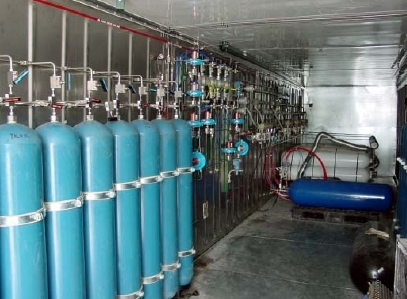
In industrial environments where hydrogen is produced, compressed, or stored, early leak detection is not optional—it is the foundation of safe operation.
This is why deploying reliable hydrogen gas detectors has become an essential requirement for modern energy facilities.
A question every plant manager must ask is:
How do we detect hydrogen leaks before they escalate into a disaster?
The answer lies in combining the right hydrogen gas detection technology with strategic placement, continuous monitoring, and a forward-looking safety plan.
Understanding Hydrogen’s Behavior: Why Correct Placement Determines Safety
Hydrogen behaves very differently from other industrial gases. Because it is 14 times lighter than air and diffuses extremely quickly, it naturally rises toward the upper areas of a facility.
Leaks rarely remain near ground level—they migrate into ceiling cavities, overhead cable trays, walkways, and structural high points.
Hydrogen also has:
- Extremely low ignition energy
- A wide flammability range (4%–75%)
- No visible color or smell
These characteristics make human detection impossible and elevate the importance of correct detector placement.
In refineries and electrolyzer plants, detectors should be prioritized near:
- Pipe joints and flanges
- Compressor discharge points
- Valves, regulators, and pressure-relief devices
- Electrolysis stacks and balance-of-plant equipment
- Hydrogen purification and drying units
- Storage manifolds and cylinders
Placing detectors at these locations enables identification of early-stage leaks before dangerous accumulation occurs and provides situational awareness in high-risk, low-visibility zones.
Choosing the Right Detection Technology
Not all hydrogen detectors are equal. Technology selection can determine whether an early leak is caught—or goes unnoticed until it becomes hazardous.
A Comparative Analysis for Engineering Selection
Selecting the right sensing technology is central to reliable hydrogen monitoring. The table below provides a concise engineering-oriented comparison.
| Technology | Advantages | Limitations | Typical Use |
| Electrochemical | High sensitivity; low power; good H₂ specificity. | Affected by temperature/humidity; lifespan typically 2–3 years. | Indoor areas, low-level leak detection. |
| Catalytic Bead (Pellistor) | Mature, robust, lower cost. | Requires oxygen; susceptible to poisoning and drift. | LEL detection in ventilated hazardous areas. |
| MEMS | Stable, long life; resistant to poisoning; vibration-tolerant. | Higher cost; measures thermal conductivity vs. air. | Compressors, electrolyzer stacks, harsh environments. |
| TDLAS | Ultra-fast (<1s); no drift; zero cross-sensitivity; remote optical sensing. | High cost; requires line-of-sight; more complex installation. | Flanges, valve clusters, ventilation ducts. |
Fixed Hydrogen Detection Systems
Fixed hydrogen detectors deliver continuous 24/7 monitoring, making them essential for:
- Electrolyzer halls
- Compressor rooms
- Storage facilities
- Ventilation outlets
- High-ceiling structures and confined spaces
High-precision tools such as fixed hydrogen gas detectors provide fast response times, low cross-interference, and stable long-term performance—critical in hydrogen-intensive environments.
Portable Hydrogen Gas Detectors
Portable detectors protect teams working in:
- Maintenance operations
- Confined-space entry
- Valve inspection routes
- Temporary installation zones
They are indispensable for mobility but cannot replace fixed hydrogen gas detectors, since they only monitor the area when personnel are present.
Key Technical Specifications for Engineering Decision-Makers
When evaluating hydrogen detectors, plant engineers should examine:
- T90 response time
- Sensor type (electrochemical, catalytic bead, MEMS, TDLAS)
- Cross-sensitivity to hydrocarbons or humidity
- Environmental resistance (temperature, vibration, moisture)
- Calibration interval and lifecycle maintenance needs
- Compatibility with SCADA/DCS integration
An industrial hydrogen gas detector’s value depends on its ability to detect early, detect accurately, and operate reliably under harsh industrial conditions.
Checklist: Evaluating a Hydrogen Detector for Industrial Use
To ensure the selected hydrogen detector is suitable for refinery or electrolyzer applications, confirm the following:
- Meets required T90 response time
- Appropriate sensor technology for target environment
- Minimal cross-sensitivity or risk of catalyst poisoning
- Robust environmental tolerance (IP rating, temperature range, vibration resistance)
- Predictable calibration cycle and stable long-term performance
- Supports 4–20 mA, Modbus, or HART for SCADA/DCS integration
- Complies with IEC 60079-29-1 (performance) and IEC 60079-29-2 (application guidance)
Strategic Deployment: Mapping Risk Across the Facility
Deploying hydrogen detectors is not a plug-and-play exercise. Refineries and electrolyzer facilities each have unique leak dynamics, ventilation paths, and operational hazards. A strategic deployment plan should include:
1. Comprehensive Hydrogen Risk Assessment
Identify dominant leak sources, pressure zones, and locations where mechanical stress or thermal cycling increase leak probability.
2. Ventilation & Airflow Modeling
Hydrogen rises rapidly, but inadequate ventilation can create pockets of accumulation. CFD analysis or airflow mapping strengthens placement accuracy.
3. Layered Detection Architecture
Use a combination of:
- Ceiling-mounted detectors
- Mid-level sensors
- Proximity detectors near valves or joints
Layering increases detection redundancy and response sensitivity.
4. Integration with Safety Systems
Detectors should interface with:
- Automated ventilation fans
- Emergency shutdown valves (ESD)
- Fire and gas panels
- Plant-wide alarm infrastructure
Detectors should interface with safety systems following a defined hierarchy: a low-level alarm should first trigger increased ventilation to actively dilute the gas; a high-level alarm should then initiate equipment isolation or emergency shutdown. This layered automated response maximizes safety while minimizing operational disruption.
5. Automated Shutdown Capability
Many next-generation electrolyzer plants integrate hydrogen detectors with automated isolation valves—stopping leaks within seconds, significantly reducing escalation risk.
A deployment strategy built around risk, airflow, and operational behavior ensures detectors are not just installed—they are effective.
6. From Theory to Reality: Illustrative Leak Scenarios
Real-world scenarios clarify why proper placement matters:
- Flange Leak: A small flange leak rises and accumulates in overhead pockets formed by beams or cable trays. A ceiling sensor alarms at 10% LEL—well before ignition risk.
- Electrolyzer Micro-Leak: A slow seal leak gradually fills the enclosure above a stack. A proximity detector on the frame or exhaust hood captures the early buildup.
- Pressure Relief Discharge: A PRD lifts and vents hydrogen vertically. A dedicated PRD detector plus downwind area sensors track release confirmation and dispersion.
Maintenance and Reliability: A Non-Negotiable Safety Requirement
Even the best hydrogen detection system loses effectiveness without proper maintenance.
Sensors can drift, environmental conditions can shift, and contaminants such as oil mist or dust can affect sensitivity. A strong maintenance program should include:
- Scheduled calibration (every 6–12 months)
- Routine bump testing
- Verification of alarm thresholds
- Staff training for alarm response
- Compliance documentation
A poorly maintained hydrogen gas detector creates a dangerous false sense of security—often more hazardous than having no detector at all.
Why Hydrogen Detection Technology Is Becoming a Global Requirement?
As hydrogen becomes a mainstream energy carrier, safety expectations are increasing globally. Key regulatory and industry trends include:
- EU hydrogen safety frameworks for electrolyzer installations
- DOE Hydrogen Shot Initiative promoting large-scale hydrogen deployment
- ISO/IEC standards mandating continuous hydrogen monitoring
- Insurance requirements for real-time hydrogen detection in high-risk facilities
Analyses from research programs such as the DOE’s H2@Scale initiative and various industry reports indicate that by 2030, continuous hydrogen leak monitoring is expected to become a standard requirement for refinery upgrades and large-scale electrolyzer facilities.
As hydrogen infrastructure expands, detection technology will play a central role in ensuring safe, resilient, and compliant operations.
Bringing It All Together
Hydrogen leak detection is no longer a supplementary safeguard—it is the core of safe hydrogen infrastructure.
Fixed hydrogen detectors, such as GasDog hydrogen gas detectors, provide the early warning that human senses cannot, enabling faster reaction times, reduced downtime, and improved operational resilience.
As hydrogen fuels the next generation of energy systems, proactive safety measures will define the success and reliability of industrial operations.
By choosing the right detector technology, deploying it strategically, and maintaining a rigorous monitoring program, facilities can protect their workforce, safeguard critical assets, and confidently support the growing global hydrogen economy.