For decades, humanoid robots were confined to research labs, science fiction, and carefully controlled demonstrations.
Today, that boundary is breaking down. Humanoid robots are increasingly appearing in public, social, and commercial environments – not as experiments, but as functional, interactive systems.
One of the clearest signals of this shift is the growing use of humanoid robots in live events, exhibitions, and large gatherings, where they operate safely among people and deliver consistent, repeatable interaction.
From Technical Capability to Human Interaction
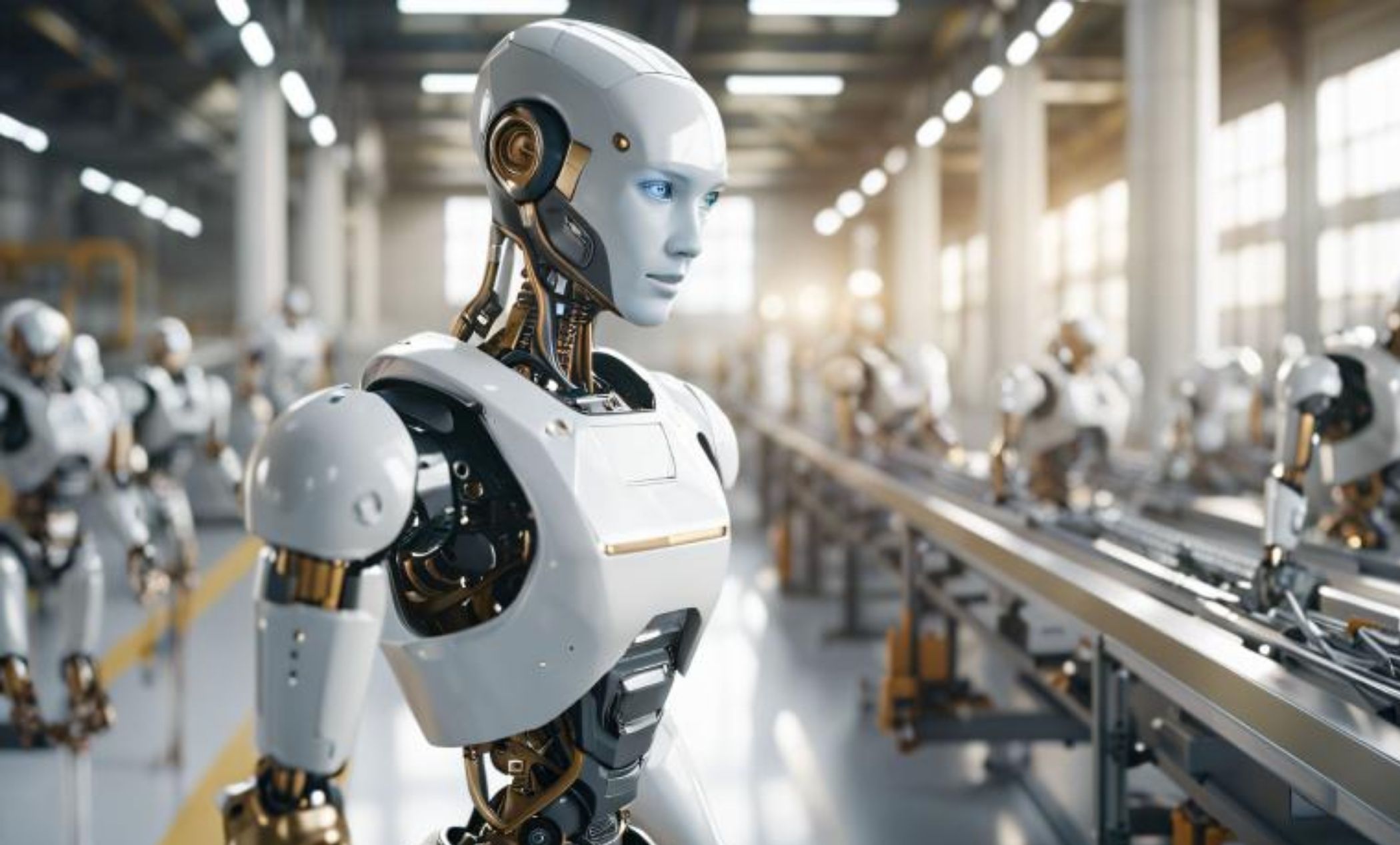
The most important evolution in humanoid robotics is not raw processing power or mechanical strength, but interaction quality.
Modern humanoid robots are designed to:
- Move smoothly and predictably
- Read social cues such as proximity and attention
- Perform gestures that humans intuitively understand
- Operate reliably for extended periods in public spaces
This makes them suitable not only for demonstrations, but for real-world environments where unpredictability and human behavior must be accounted for.
Why Events Are an Early Adoption Environment?
Live events offer an ideal proving ground for humanoid robots. They are structured, time-bound, and designed around attention and engagement – allowing robots to operate within defined parameters while interacting with diverse audiences.
At conferences, expos, and corporate gatherings, humanoid robots are being used to:
- Welcome attendees
- Serve as interactive focal points
- Perform controlled movements or choreographed routines
- Generate data on human engagement and reaction
These use cases are helping refine how robots behave in shared human spaces.
The Rise of Humanoid Robot Rental Models
Rather than purchasing expensive hardware and managing complex maintenance, organizations are increasingly choosing humanoid robot rental models.
This approach lowers barriers to adoption and allows companies to experiment with robotic interaction without long-term commitment.
Studios like The Robot Studio specialize in providing humanoid and performance robots for temporary deployment, complete with trained operators who manage safety, timing, and interaction logic. This model enables real-world testing and exposure while maintaining strict operational control.
For organizations exploring public-facing robotics, the ability to deploy through a service model – rather than ownership – significantly accelerates experimentation and adoption.
Human Response as a Design Metric
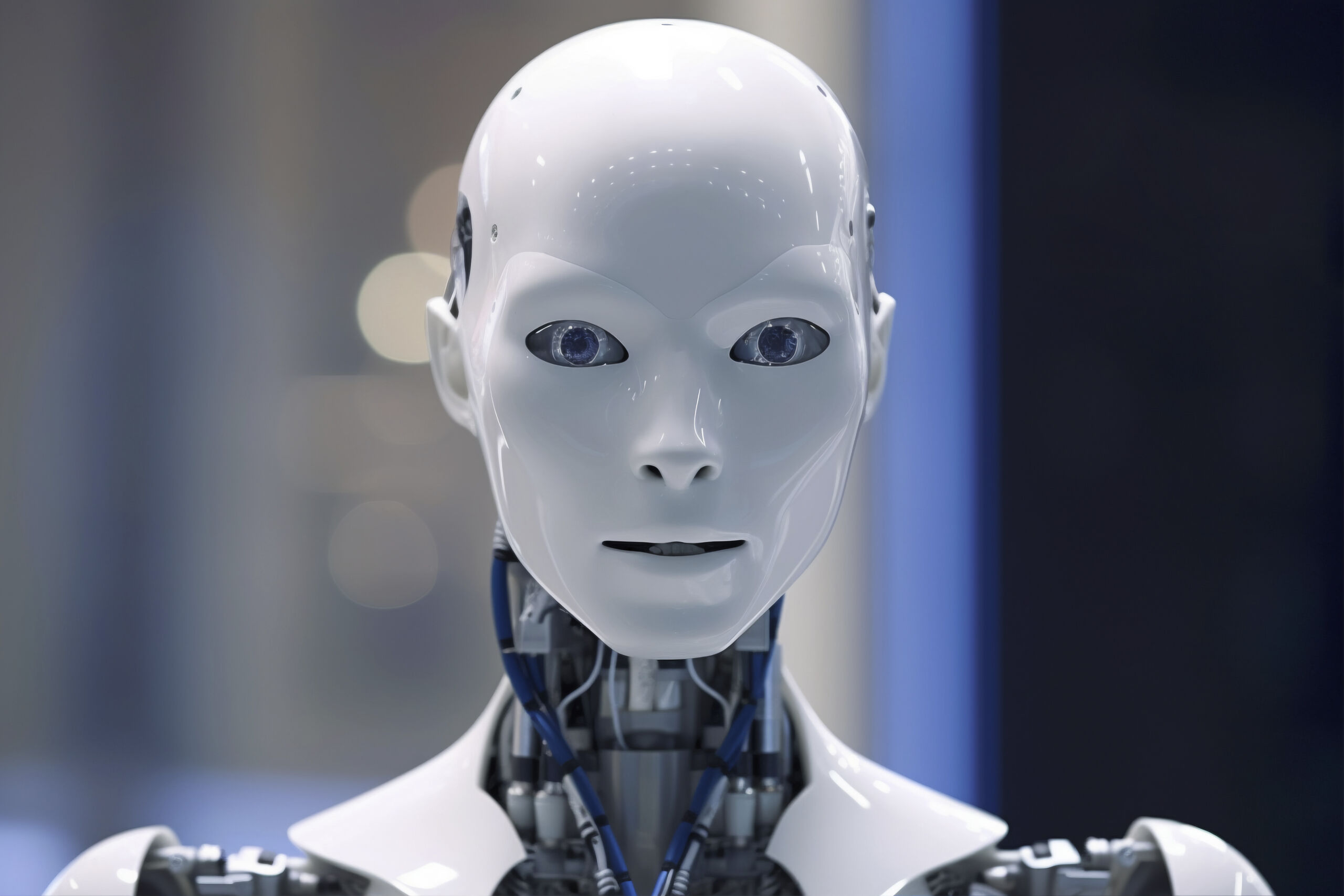
One of the most valuable outputs from real-world robot deployments is human reaction data.
When robots operate in public environments, designers can observe:
- How quickly people approach or avoid
- Which gestures invite interaction
- How novelty evolves into comfort
- What behaviors create trust or hesitation
These insights feed directly back into robot design, helping shape future systems intended for customer service, hospitality, healthcare, and education.
Beyond Novelty: A Transitional Phase
While many still perceive humanoid robots as novelty attractions, their increasing presence in live environments marks a transitional phase. The robots appearing today are not replacements for human roles – they are interfaces.
They act as bridges between people and emerging technology, allowing society to gradually normalize interaction with autonomous systems in low-risk, supervised contexts.
Looking Ahead
As humanoid robots continue to improve in balance, expressiveness, and contextual awareness, their deployment will expand beyond events into everyday environments.
What we are witnessing now is not a final form, but an early stage – one where robots leave controlled labs and begin learning from real human behavior at scale.
The companies deploying humanoid robots today are not just entertaining audiences. They are shaping the future relationship between humans and machines.