
An ordinary day can turn into a moment of panic due to sudden falls, dizziness, or sharp pains that render you unable to even pick up the phone to make a call. This uncertainty hangs over your head when you live alone, or a loved one does.
You are also concerned about slow responses or a system that only works by pressing a button at the right moment. Conventional medical alert devices usually fail in such life-or-death situations and leave loopholes between danger and help.
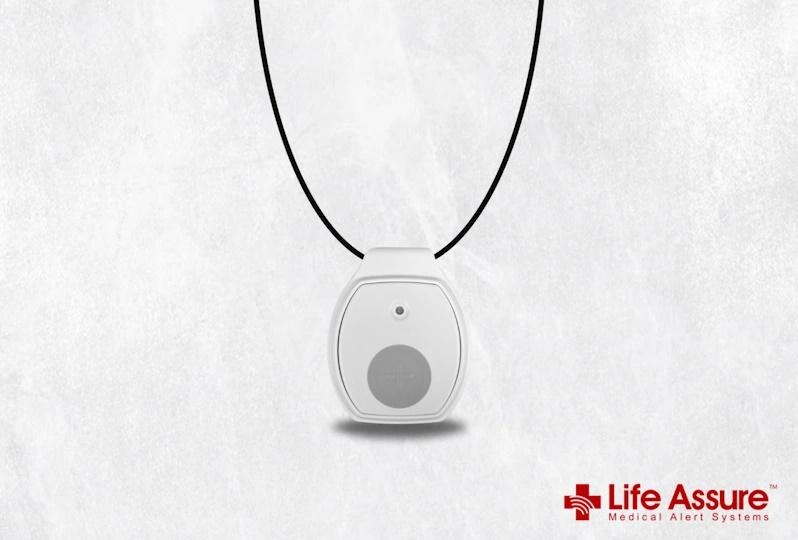
Safety needs are becoming increasingly complicated, which is why the usage of simple tools is not sufficient anymore.
This is where smart technology can alter the experience. The current medical alert systems are now more advanced with better features, respond more quickly, and enable daily living.
This article describes the ways smart capabilities can make the current medical alert systems safer.
1. Automatic Fall Detection

The core of the intelligent medical alert systems is automatic fall detection – a feature that does not need you to press a button. Rather, it employs built-in motion sensors to detect abrupt movement variations.
In case the fall-like event is identified, the system sends an alert to the monitoring specialists automatically, who will be able to evaluate the situation and send help.
This kind of active surveillance is particularly essential when a user is in a coma, disoriented, or even just incapable of accessing the alert button following a fall.
Considering the importance of the fall detection feature, always do a thorough medical alert comparison to choose the one that has this feature for safety during an emergency.
2. GPS-based Real-Time Location Tracking
Real-time location tracking creates another level of protection. You can have assistance sent to your door when you are at home. However, what about when you are out and about?
Recent mobile medical alert systems are GPS-enabled and use cellular networks to locate you during an emergency.
This comes in handy particularly with active seniors or those who like walking, doing errands, or traveling.
Should a fall or medical incident occur when you are not at home, the GPS information will give responders your exact location, saving time that would otherwise be wasted if the location information were unclear or unavailable.
3. Everyday Water-Resistant Wearables

The day-to-day activities tend to put users in situations where accidents are most likely to occur, particularly in the bathrooms or kitchen.
Water-resistant wearable medical alerts are now available, enabling smart medical alerts to be worn without fear during showers or while washing utensils.
This aspect is beneficial as it provides round-the-clock protection in places where falls and slips are frequent.
Water resistance will allow uninterrupted access to emergency support by eliminating the need to remove the device during everyday activities and minimizing the risk of unprotected situations.
4. Two-Way Communication and 24/7 Monitoring
The smart alert systems are not only able to send alerts but also to provide you with an immediate link to trained professionals.
In most modern systems, two-way voice communication is available on the device itself, so that when an emergency is detected (either automatically or by a button press), the device can talk to the user in real time with a live agent.
This instant communication allows the responders to evaluate the circumstances, be it a fall, a medical complication, or a well-being concern, and provide directions, reassurance, and advice until assistance is on the way.
It also minimizes the possibility of unnecessary emergency vehicle dispatch due to non-emergency situations.
5. Reliable Backup Power

Power outages can disrupt many household systems, but smart medical alert solutions are designed to remain dependable during such situations.
Many home-based systems include built-in backup batteries that keep the device functioning even when electricity is unavailable.
This ensures that emergency alerts and communication with monitoring professionals continue without interruption.
For users who rely on consistent protection, backup power provides reassurance that help remains accessible regardless of external conditions.
6. Wearable Comfort
Many users find that the simplest features matter most in stressful situations. As a result, modern alert systems focus on easy-to-use wearables, allowing users to quickly call for help using a clearly accessible button.
Additionally, smart designs have made alert wearables more comfortable and discreet, from pendants to wristbands, increasing the likelihood that users wear their devices consistently. Comfortable daily wear combined with dependable detection significantly enhances overall safety.
7. Easy-to-use Design and Simple Setup

In an emergency, ease of use becomes just as important as functionality. Smart medical alert systems are designed with simplicity in mind, featuring clearly marked buttons and straightforward setup processes that require minimal technical knowledge.
This user-friendly design allows individuals to feel confident using their system from day one. By reducing complexity, these devices make it easier for users to focus on safety rather than learning complicated operations.
Final Thoughts
As technology evolves, so does the capability of medical alert systems to protect and support users more effectively.
From automatic fall detection and GPS-based location tracking to two-way voice communication and continuous monitoring, these smart functions work together to create a reliable safety system.
Whether someone lives alone or simply wants an added layer of protection, modern systems provide reassurance in both expected and unexpected situations.
Importantly, technology does not replace human support; trained professionals still respond, assess, and coordinate help when it matters most.
By understanding how these smart features function, you can make informed decisions and choose a medical alert system that goes beyond basic alerts to deliver dependable, everyday safety.




