As blockchain technology advances, investors are increasingly comparing infrastructure-focused projects. Solana (SOL) and Celestia (TIA) represent two different approaches to scaling and modular blockchain design.
If you are deciding between Solana or Celestia, understanding their architecture, adoption level, and growth outlook is essential.
Solana: High-Speed Smart Contract Platform
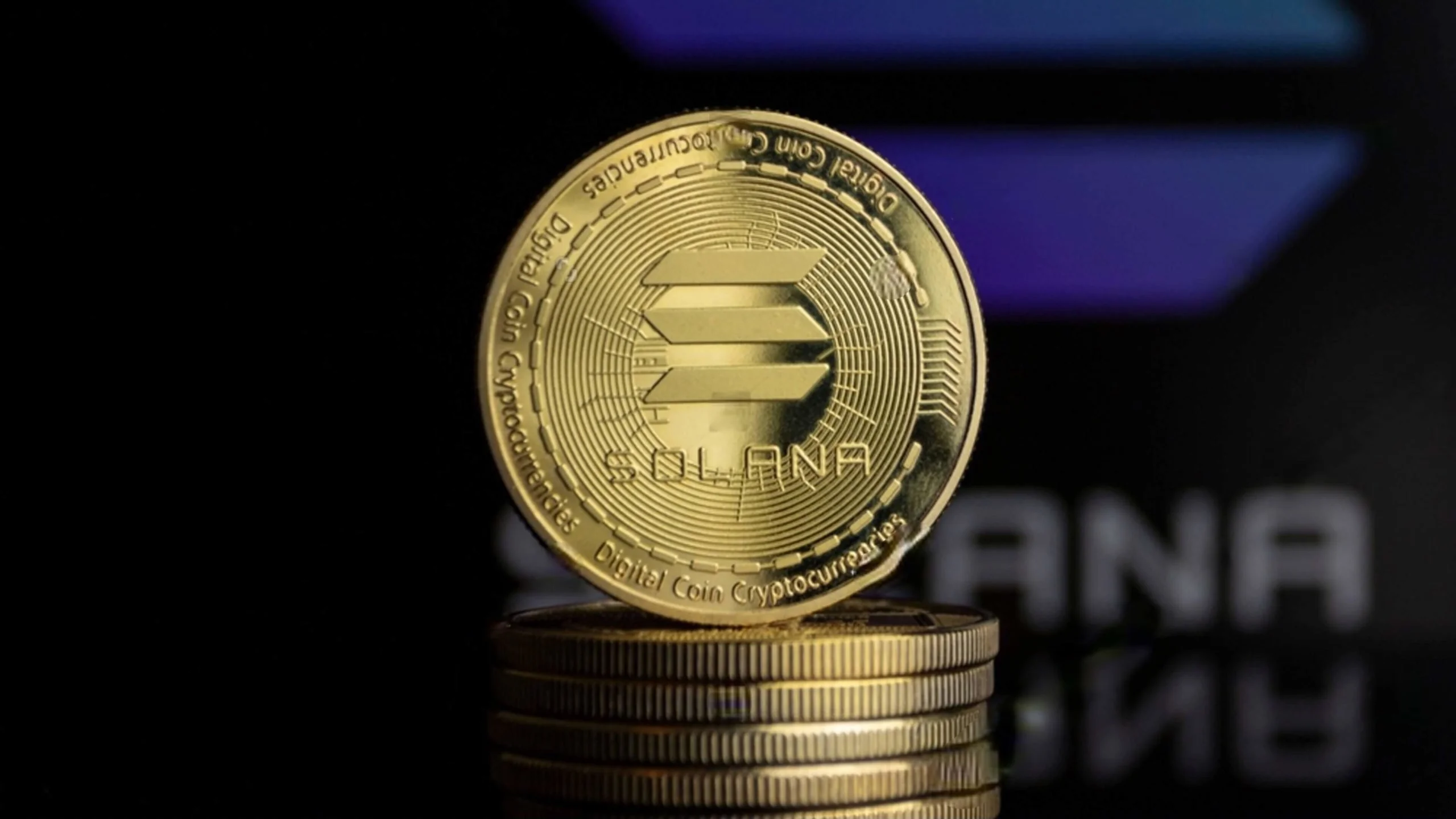
Solana is known for its high throughput and low fees. Designed as a monolithic blockchain, it combines consensus and execution layers into one unified structure.
This architecture allows fast processing and cost-efficient transfers, which helped Solana attract developers building decentralized finance applications, NFT marketplaces, and blockchain games.
One of Solana’s strengths is its active ecosystem. Numerous decentralized applications operate on the network, and venture capital support has played a significant role in its expansion. Institutional interest has also contributed to SOL’s visibility in global markets.
Investors who want direct exposure can easily buy Solana through reliable exchange services. Access to deep liquidity and multiple payment methods simplifies entry for both newcomers and experienced traders.
However, Solana has faced technical outages in the past. Although upgrades have improved network stability, investors should consider infrastructure reliability as part of their evaluation. Long-term performance will depend on sustained developer activity and continuous ecosystem growth.
Celestia: Modular Blockchain Innovation
Celestia introduces a modular approach to blockchain architecture. Instead of handling execution and consensus within one chain, it focuses on data availability and consensus layers. This design allows developers to create their own execution environments while relying on Celestia for data verification.
The modular model aims to improve scalability by separating blockchain functions. As more developers experiment with custom rollups and specialized chains, Celestia could gain relevance as a foundational layer for decentralized systems.
Market interest in modular blockchains has increased, especially among builders seeking flexibility. Long-term projections often analyze adoption speed and ecosystem expansion.
Research articles such as this Celestia price prediction 2026 explore possible valuation scenarios based on development milestones and broader market conditions.
Since Celestia is still relatively new compared to Solana, volatility may be stronger. Early-stage projects often experience rapid price swings influenced by sentiment and technological updates.

Comparing Technology and Market Position
When choosing between Solana or Celestia, it helps to compare their core strengths.
Solana offers a fully operational ecosystem with thousands of decentralized applications and active users. Its focus is performance optimization within a unified blockchain design. If adoption continues to expand, SOL could benefit from higher network demand.
Celestia focuses on long-term scalability innovation. By separating blockchain layers, it provides developers with greater flexibility.
If modular architecture becomes widely adopted, TIA may gain strategic importance in the evolving blockchain environment.
Risk profiles differ as well. Solana has an established presence but faces competition from other smart contract platforms. Celestia represents a newer concept that depends on widespread adoption of modular frameworks.
Investment Strategy Considerations
Diversification may reduce exposure to a single technological approach. Holding SOL offers access to an established ecosystem, while allocating funds to TIA provides exposure to experimental infrastructure development.
Liquidity is another factor. Solana is widely listed across global exchanges, which makes entering and exiting positions straightforward. Celestia’s availability is expanding, though it may not yet match SOL’s trading depth on all platforms.
Long-term investors should monitor developer engagement, partnership announcements, and ecosystem funding for both networks. Market cycles often reward projects that demonstrate consistent technical progress.
Final Thoughts
Solana and Celestia represent two distinct visions of blockchain scalability. Solana focuses on performance within a unified chain, offering a mature ecosystem and strong liquidity. Celestia promotes modular architecture, aiming to redefine how blockchains are structured.
Your decision depends on whether you prefer exposure to an established smart contract platform or a modular infrastructure experiment with high growth potential.
By analyzing adoption trends, technical progress, and market sentiment, you can determine which asset aligns best with your long-term strategy.