In this day and age of highly advanced digital technology, safeguarding one’s privacy and security on the internet is more vital than ever before.
A Virtual Private Network, commonly called a VPN, is a technology that enables users to encrypt their data and protect their privacy when using the internet.
The technique is sometimes called a VPN. In this article, we will discuss what a virtual private network (VPN) is, how it works, the benefits and possible drawbacks of using a VPN, and the use cases of VPNs.
So what is a Virtual Private Network, or VPN?
You may connect your device to the internet through the use of a technology called a Virtual Private Network (or VPN). This technology lets you make a virtual private network connection. A virtual private network, or VPN, is a sort of network that at a very basic level creates a “tunnel” for your data to go through on a public network.
This tunnel hides your real IP address and encrypts the data going over it. This means that your online activity is less obvious to anybody trying to find things out, whether they be hackers, your internet service provider or even government bodies looking into what you are doing online. That’s because there is less visibility into your internet conduct.
What’s a VPN?
When you connect to a virtual private network (VPN) server, the most significant thing that happens is that the server gets all the traffic you transmit and receive over the internet. Think of the server as the middleman between yourself and the websites you visit on the Internet.
That is one of the duties the server helps to fill. All data transmissions are encrypted so that it is far more difficult to intercept such exchanges.
So , for instance , if you are in Ukraine but you are connected to a virtual private network ( VPN ) server in the US , websites would see the IP address of the US server and not your private IP address . This allows you to bypass censorship and geo-restrictions.
Benefits of Using a Virtual Private Network
Firstly, preservation of the particular.A virtual private network (VPN) is a security tool that protects the data you transfer online from any potential threats whether you’re using public Wi-Fi networks such as those in a café, airport or hotel.
Secondly.Privacy. A virtual private network (VPN) masks your real IP address and location, so it is impossible for anybody to monitor your online behavior when you are online.
The third talent is the capacity to break restrictions and restraints. Many governments restrict the ability of its citizens to access certain websites or services.
A VPN ( virtual private network ) will let you get around these restrictions by routing you through servers that have been set up in different locations .
Fourthly.To get access to content limited by the user’s location. Netflix, YouTube and other streaming services have limits and these restrictions vary from area to location. A virtual private network, or VPN, can also be used to access a broader array of information.
Virtual private networks (VPNs) are widely employed in many situations.
VPNs are widely used by individuals for their own privacy needs. This is particularly the case whether they are using financial services, shopping online or chatting with others.
Organizations use virtual private networks (VPNs) for several reasons, a major one being to guarantee that workers have secure access to internal networks and resources, particularly when they are working remotely.
Virtual private networks, or VPNs, are used by those living in countries with stringent internet restrictions, as well as by activists, journalists and others, to evade internet blockages and get unhindered access to information.
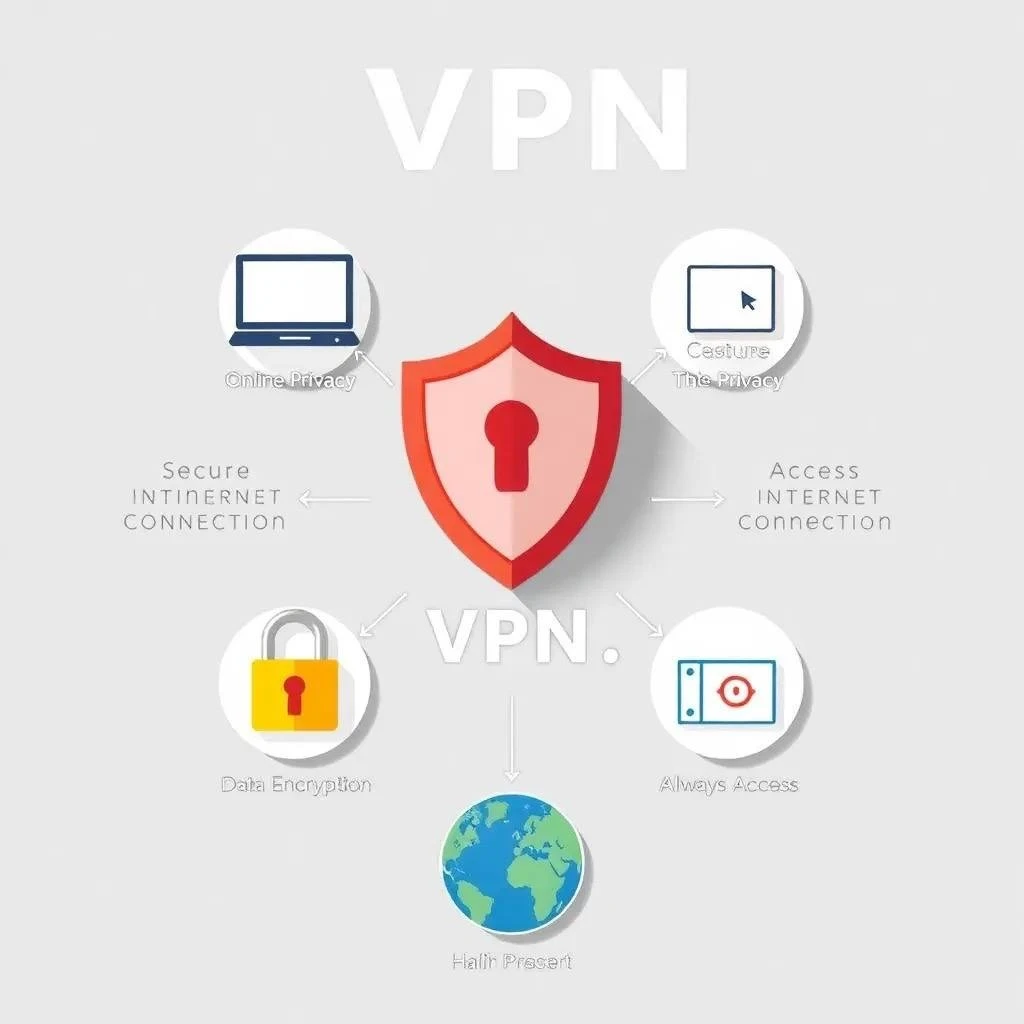
Almost Private Networks: The Advantages and Disadvantages
Although there are a lot of benefits of Virtual Private Networks (VPNs), there are some negatives as well. Some of them are:
Internet is sluggish. There is an additional layer of encryption and data routing, which may slow your connection speed down. This is caused by the existence of the extra layer.
Some virtual private networks (VPNs) are more secure than others. The providers of free or not well-respected virtual private network (VPN) services may collect data about their customers or utilize security measures that are not sufficient.
– Following the legal processes. Legislation in several countries either restricts or bans entirely the usage of virtual private networks (VPNs), often known as virtual private networks.