
Digital entertainment has changed faster than the payment systems around it. People can watch a livestream from another continent, buy a skin inside a game, tip a creator during a broadcast, or subscribe to a platform in another country. The content feels global and instant. The money behind it often does not.
Cards still decline, banks still block payments, cross border transfers still cost too much, and creators still wait days for payouts.
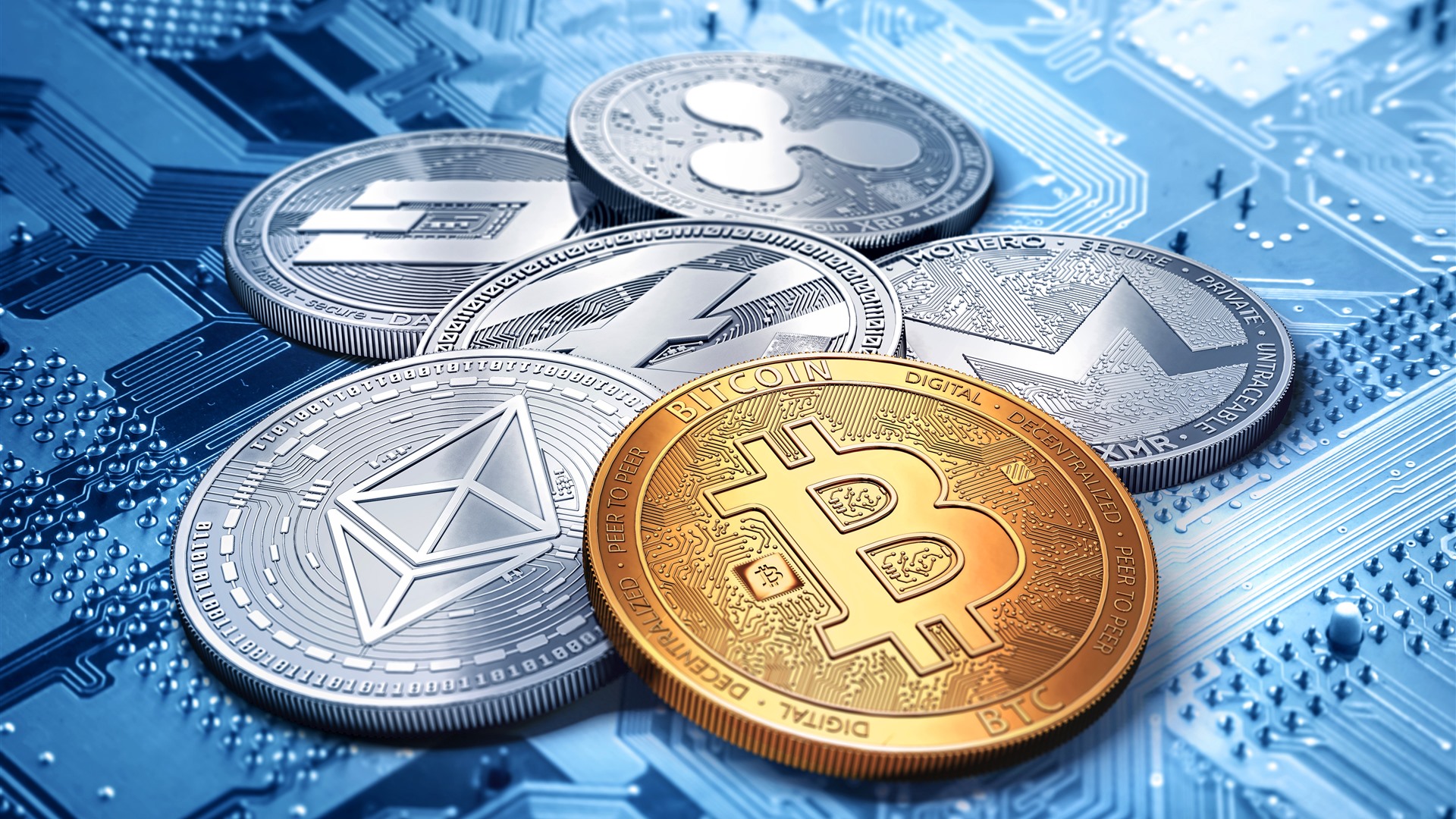
Cryptos fill that gap by letting digital entertainment platforms move money faster, reach users across borders, and avoid chargebacks after a digital product has already been used.
In digital entertainment, cryptocurrencies are becoming a practical payment choice since it matches the demands of online players. It’s fast, global, always open, and increasingly tied to stablecoins instead of volatile tokens.
For platforms built around gaming, streaming, creator payments, digital goods, online communities, and crypto first entertainment brands, that combination is becoming hard to ignore.
Digital Entertainment Is Already a Giant Online Economy
The main reasons crypto fits digital entertainment are simple: this market is huge, global, and built around constant transactions.
Estimated global entertainment and media revenue in 2024 stands at $2.9 trillion and is projected to reach $3.5 trillion by 2029. Video games alone are moving toward a much bigger role inside that total, with projections near $300 billion by 2029.
Newzoo’s 2025 global games report put the market at $188.8 billion in revenue for 2025, with 3.6 billion players worldwide and nearly 3.9 billion expected by 2028. It also estimated average annual spending per paying gamer at $119.70.
The same could be said for online casinos since the whole experience depends on speed, access, and trust in the payment flow. Players want deposits to arrive quickly, withdrawals to move without long delays, and balances to work across borders without the usual card and bank problems.
That’s one reason crypto became so common in online casino entertainment, especially on platforms such as Stake.com, where casino games, sports markets, and digital first payments are part of the same user experience. When the product is already online and the player expects everything to move fast, slow payment rails feel out of place.
Music gives another good example. Global recorded music revenue reached $31.7 billion in 2025, with streaming accounting for 70% of global music income. Paid streaming subscriptions passed 837 million users, while paid subscription streaming revenue grew to $22 billion.
Crypto fits that kind of market better than many older systems because it was designed for internet native transfer, not for a world where every payment starts at a local bank branch.
The Internet Is Global, but Payments Are Still Local
Digital entertainment has no natural borders. A streamer in Brazil can have fans in Canada, Nigeria, India, and Germany.
A game studio can sell cosmetics to players in dozens of countries on launch day. A music platform can collect subscription money from listeners across several currencies. A creator can sell a digital course to someone they will never meet.
The payment side is where things get complicated. A card issued in one country may not work on a platform based in another. A bank may flag a transaction as suspicious. Currency conversion can eat into small payments.
Some users live in markets where international cards are uncommon or unreliable. Others have access to crypto wallets before they have full access to global banking products.
That’s why crypto is so appealing for digital entertainment. A wallet doesn’t care whether the user is in London, Lagos, Buenos Aires, Istanbul, Manila, or Dubai. A platform can accept value from a user without setting up a different local payment route for every country.
The result is not perfect, and regulation still differs by market, but the basic promise is powerful: online payments that travel the same way online content does.
The adoption numbers show why platforms are paying attention. Triple A estimated global digital currency ownership at more than 560 million people in 2024, equal to about 6.8% of the global population.
Crypto.com later estimated global crypto ownership at 741 million in 2025, with Bitcoin owners reaching 365 million and Ethereum owners reaching 175 million.
Those figures are interesting for entertainment companies because they show a large audience that already knows how to use wallets, stablecoins, QR payments, and on chain transfers.
For a gaming site, streaming app, creator platform, fantasy sports product, or digital marketplace, that audience is already familiar with using digital coins.
Instant Settlement Changes the Business
One of the biggest advantages of crypto in digital entertainment is settlement speed. When someone pays by card, the payment may look instant to the customer, but the merchant doesn’t fully receive the final funds right away.
There are processors, issuing banks, acquiring banks, card networks, fraud checks, reserves, settlement windows, refunds, and disputes. For physical goods, that delay can be managed. For digital entertainment, it often feels outdated.
A digital product can be delivered instantly, whether it is a game item, an unlocked stream, a creator tip, paid room access, or a tournament entry.
The entertainment product moves in seconds, while the payment behind it may still sit inside an older clearing process.
Crypto shortens that gap. Stablecoin transfers can settle quickly, often within minutes or seconds depending on the network. That gives platforms more certainty and gives creators or partners faster access to funds.

For companies working with thousands of small creators, streamers, affiliates, modders, developers, or gaming communities, faster payout changes how often people participate.
This is especially useful for live entertainment, where a livestream tip or paid shoutout should move as quickly as the moment itself. A tournament prize or creator payout should not take a week just because the payer and receiver live in different countries.
Stablecoins have already become one of the clearest examples of this shift. Chainalysis reported that stablecoins processed $28 trillion in real economic volume in 2025. For entertainment platforms, that is the signal.
Stablecoins are not interesting only because crypto users like them. They are interesting because they act more like digital dollars that can move across the internet at high speed.
Stablecoins Remove the Old Volatility Problem
For years, the biggest argument against crypto payments was volatility. A user could pay with Bitcoin today, and the value could change sharply before the platform converted it. That created accounting headaches, refund problems, pricing confusion, and risk for merchants.
Stablecoins changed that. A user who pays with USDT, USDC, or another major stablecoin is not trying to guess tomorrow’s Bitcoin price.
They are sending a digital version of the dollar value. That makes crypto much easier to use for subscriptions, in game purchases, creator tips, betting balances, digital downloads, and marketplace payments.
The stablecoin market has also become large enough to attract serious financial attention. Reuters reported that Tether had around $188 billion in circulation, and Circle had around $76 billion, showing how dominant dollar backed stablecoins have become.
This tells us that even when crypto users live in many different countries, dollar backed stablecoins remain the main payment method. For digital entertainment companies, that solves a very real problem: global users, one familiar unit of account.
No Chargebacks Is a Huge Deal
Chargebacks are one of the most painful parts of online entertainment payments. A user buys a digital product, consumes it, uses it, trades it, watches it, or claims the benefit any other way. Then the payment is disputed.
The platform may lose money, pay a fee, spend time fighting the dispute, and still have no realistic way to recover the digital product. In gaming, streaming, creator platforms, digital marketplaces, online casinos, ticketed live events, and subscription products, this can become expensive fast.
The chargeback data is crushing. Chargeflow estimated that chargebacks would cost eCommerce $33.79 billion in 2025 and rise to $41.69 billion by 2028. Datos Insights also projected global chargeback volume at 261 million transactions in 2025, rising to 324 million by 2028.
Digital entertainment is especially exposed because the product is usually delivered before any dispute is resolved. A physical merchant can sometimes stop shipment. A digital platform usually cannot pull back a watched event, used item, redeemed bonus, or paid livestream moment.
Crypto payments are different because settled blockchain transactions are generally final. That finality is not always ideal for consumers, especially if they make a mistake, but it’s highly attractive for platforms selling instant digital access. No chargeback means less fraud, fewer disputes, fewer penalties, and more predictable revenue.
Crypto Opens More Markets
For entertainment platforms, crypto is about reaching more people. A platform that accepts stablecoins can serve users who already hold digital dollars, even if their local banking system is slow, expensive, or restrictive.
For digital entertainment, that’s a major advantage. The next paying user may not live in the United States, the UK, or Western Europe. They may live in a high growth gaming, streaming, or creator market where global cards are less reliable.
If that user can pay with a stablecoin, the platform doesn’t have to wait for the local banking system to catch up.
This also helps platforms pay people, not only collect money from them. Streamers, affiliates, creators, esports players, community managers, moderators, artists, and developers may live across many countries. Paying them in stablecoins can be faster and easier.
Crypto Reduces Currency Confusion
Digital entertainment prices often need to serve a global audience. A platform may show prices in different currencies. The conversion creates confusion on both sides.
Stablecoins simplify the pricing experience because they give platforms a common digital unit. A creator can price a digital guide at $10.
A gaming platform can sell credits worth $25. A streaming community can set a $5 membership. The user pays in a dollar backed stablecoin, and the platform doesn’t need to manage as many currency jumps.
This is great in countries where people already think about prices in dollars for online services. Many users outside the United States understand dollar pricing because subscriptions, software, gaming marketplaces, and creator tools often use it. Stablecoins make that dollar pricing usable without requiring a U.S. bank account.
Better UX Is Bringing Crypto into Everyday Entertainment
Crypto payments used to be too complicated for normal entertainment users. The wallet setup was confusing. Gas fees changed without warning and network selection was intimidating. That’s changing.
Wallets are becoming easier to use, while payment processors hide more of the technical details behind simpler checkout screens.
Stablecoin payments can now happen through QR codes, email style wallet names, embedded balances, or app native payment pages, so users don’t need to understand every blockchain detail before paying.
BVNK’s stablecoin utility research found that users are drawn to stablecoin payments by lower fees, security, and global access, while also disliking complexity such as too many steps and network choices.
That lines up perfectly with digital entertainment. The demand is there, but the winning products will be the ones that make crypto payments feel simple.
The best version of crypto in entertainment will feel like another checkout option.
Digital Entertainment Also Needs Better Payouts
The payment story is not only about fans paying platforms. It’s also about platforms paying everyone else.
Modern entertainment has a huge network of streamers, game studios, tournament winners, affiliate marketers, content creators, editors, designers, translators and many more. That payout web becomes hard to manage across countries.
Bank transfers can take days, along with charging high fees. Some recipients may not have easy access to dollar accounts. Payment processors may not support every market. Platforms may delay payouts to reduce operational costs.
This is why stablecoin payout adoption is growing among marketplaces, gaming products, gig platforms, and creator networks. Thunes noted that global platforms are turning to stablecoins as a payout option where domestic payment systems create friction or where local currencies are volatile.
For digital entertainment, that’s an important issue. Better payouts attract better creators. Better creators bring better content. Better content brings more users. Money movement is part of the product experience, even when users never see the back office.
The Future Is Probably Hybrid
Crypto may become a default currency for digital entertainment, but that doesn’t mean cards, banks, and app store payments will disappear.
The future is more likely to be hybrid. Users will choose the payment route that works best for them. Some will use cards. Some will use Apple Pay or Google Pay. Some will use local instant payment systems.
Others will stick with crypto stablecoins.
Crypto becomes powerful when it expands access rather than replacing every existing method overnight. Over time, stablecoins may become as normal as PayPal once became for online shopping. At first, PayPal felt like an internet workaround.
Then it became a standard checkout button. Stablecoins could follow a similar path in digital entertainment, especially for international users and creators.




