
Walk into any Starbucks on a Tuesday afternoon and you’ll see the new reality of business. Laptops open, phone calls about quarterly reports, spreadsheets being updated between coffee sips. The pandemic didn’t just change where we work – it completely rewrote the rules of corporate security.
Five years ago, IT departments controlled access through office firewalls and monitored networks. Today? Company data flows through airport Wi-Fi, hotel internet, and home broadband connections that IT has never seen. The old playbook of securing a physical perimeter has become obsolete overnight.

The stakes have never been higher, and smart companies are turning to comprehensive solutions like VPNLY to bridge this security gap.
Organizations that fail to adapt their cybersecurity approach risk losing everything they’ve built. Last year alone, remote work-related security incidents cost businesses an estimated $4.1 billion globally, according to industry research.
The writing is on the wall – companies need robust VPN infrastructure or they’ll become the next cautionary tale.
Protecting What Matters Most
Every day, sensitive business information crosses networks that companies don’t own or control. Customer lists, financial data, product designs, and merger discussions travel over connections where hackers camp out waiting for opportunities.
Public Wi-Fi represents the biggest risk – these networks often lack basic security measures, making data interception surprisingly easy for anyone with moderate technical skills.
VPN technology addresses this vulnerability by wrapping data in layers of encryption before transmission. The mathematics behind this protection are solid: current encryption standards would require more computing power than exists on Earth to break through brute force attacks.
Studies from cybersecurity firms show a clear pattern – organizations with comprehensive VPN deployments experience significantly fewer successful breaches than those without.
Look at what happened to Merck back in 2017. One cyberattack brought down their manufacturing facilities in multiple countries.
The financial damage? $870 million in revenue wiped out. Meanwhile, other pharmaceutical companies kept their production lines running during the same attack wave.
What made the difference wasn’t luck or timing – it was the security infrastructure decisions those companies had made three or four years before the attack ever happened.
Meanwhile, competitors with robust VPN infrastructures continued operating normally during similar attack attempts. The difference? Proper network security made their systems significantly harder targets.
Remote Access That Actually Functions
The challenge facing remote workers goes beyond simple connectivity. They need the same level of system access as office employees while connecting from environments with wildly different security profiles.
A home network might host a teenager’s gaming setup, smart home devices with default passwords, and streaming services – none of which follow corporate security policies.
Standard security measures like passwords and authentication apps provide limited protection when employees log into company systems from these mixed-use networks.
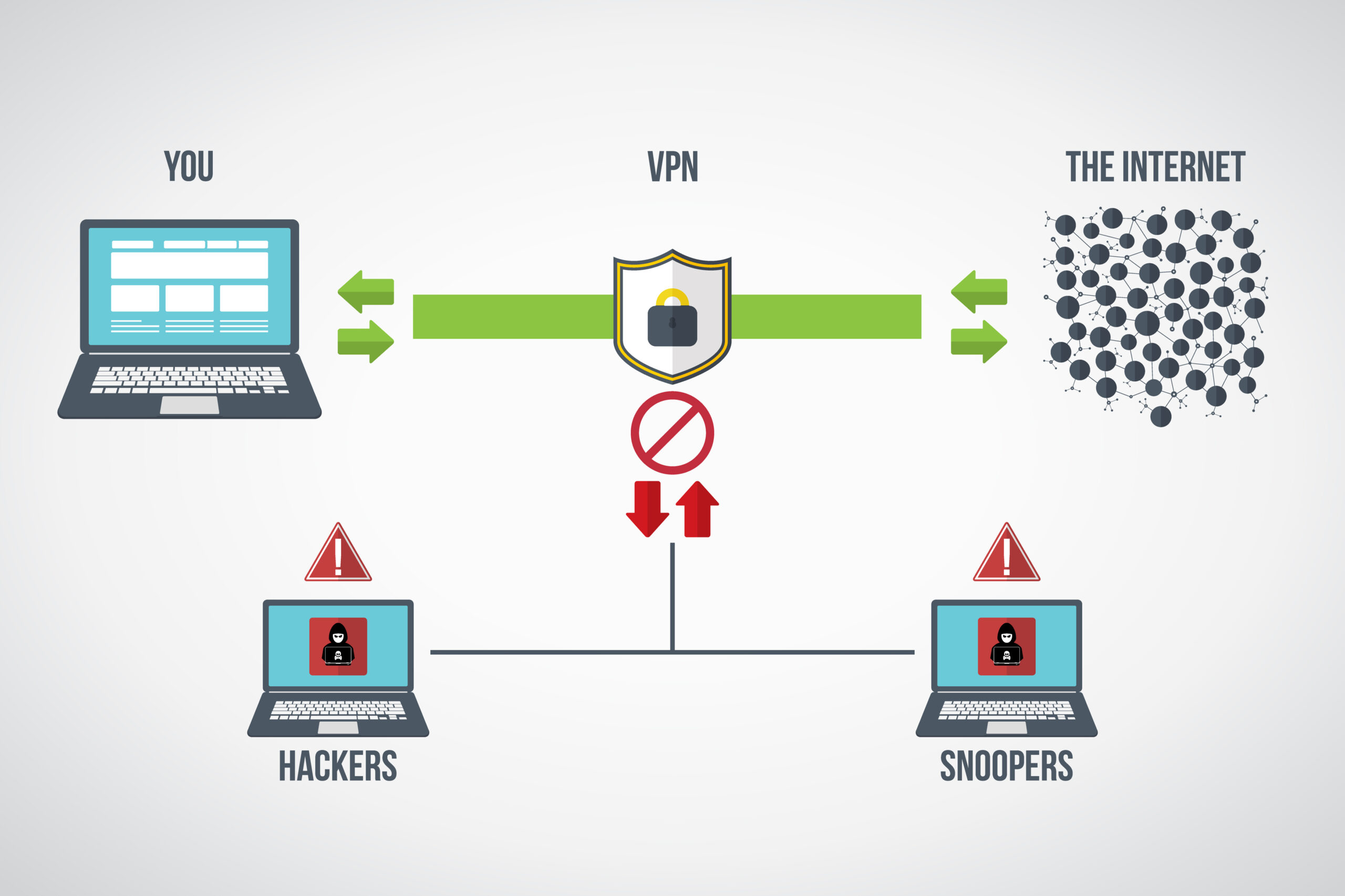
VPN solutions extend corporate network security directly to remote locations, creating secure tunnels that isolate business traffic from other network activity.
This isn’t just theoretical convenience. Remote work isn’t going anywhere. What started as an emergency response has become a permanent shift in how business gets done. Take DHL as an example – they run shipping operations in 220 countries.
Before VPN technology, coordinating between their Asian distribution centers, European hubs, and American delivery networks meant expensive international phone calls and fax machines.
Now their logistics managers in Hong Kong can update inventory systems in Germany in real-time, while delivery coordinators in Chicago track packages moving through Mumbai.
All of this happens over standard internet connections, but with the same security level they’d have sitting in corporate headquarters.
Navigating Complex Regulatory Requirements
Compliance officers across industries are losing sleep over remote work security implications. HIPAA violations can result in fines up to $1.5 million per incident.
GDPR penalties reach 4% of annual global revenue. SOX non-compliance can trigger criminal charges for executives. These aren’t theoretical risks – regulators issued over $5.2 billion in data protection fines during 2023.
VPN solutions provide the technical controls that regulatory frameworks demand. Healthcare organizations use them to ensure patient information remains encrypted during transmission. Financial institutions rely on VPNs to protect transaction data and customer records.
Even small businesses handling credit card payments need VPN protection to maintain PCI DSS compliance.
The documentation capabilities of modern VPN systems also streamline audit processes. ## Staying Ahead of Compliance Demands
Regulatory compliance has become more complex as businesses operate across multiple jurisdictions with different data protection requirements. Healthcare organizations must follow HIPAA guidelines that carry fines up to $1.5 million per violation.
Companies handling European customer data face GDPR penalties reaching 4% of global annual revenue. Financial institutions navigate SOX requirements where non-compliance can trigger criminal charges for executives.
These regulations include specific technical requirements for data protection during transmission and storage. VPN systems provide the encryption and access controls that auditors expect to see.
More importantly, they generate the documentation that proves compliance efforts during regulatory reviews.
Companies can produce detailed logs showing who accessed what information, when connections occurred, and how data remained protected throughout transmission.
When audit season rolls around, most companies panic about documentation. VPN systems change that equation entirely. Instead of hunting through file cabinets and email archives trying to prove compliance, administrators can pull comprehensive reports showing exactly who accessed what data and when.
These logs include timestamps, IP addresses, session durations, and data transfer records. Auditors actually prefer this level of detail – it makes their job easier and reduces the likelihood of follow-up investigations or penalty assessments.
The Bottom Line Impact
Security investments often feel like insurance policies – necessary expenses that don’t directly generate revenue. ## Financial Impact Beyond Security
Here’s where VPN investments start paying for themselves. Most security purchases feel like buying insurance – necessary but expensive with no obvious return.
VPNs work differently. Companies routinely cut their telecom bills in half by ditching dedicated lines for VPN connections over regular broadband.
A manufacturing company with five locations might spend $15,000 monthly on private lines. Switch to VPNs and that drops to $6,000 while actually improving reliability.
The productivity angle matters too, though it’s harder to measure precisely. Employees with solid VPN access report fewer technical frustrations and can work effectively from anywhere.
One consulting firm tracked this for six months and found their billable hours increased by 18% after deploying enterprise VPN services. Remote workers spent less time troubleshooting connection issues and more time serving clients.
Hurricane Ida proved these benefits aren’t just theoretical. When the storm hit Louisiana in 2021, oil companies with robust VPN systems kept their remote monitoring and trading operations running.
Competitors without proper remote infrastructure lost days of production while waiting for physical facilities to reopen. Some energy firms made back their entire annual IT security budget during that one-week period simply by staying operational.
Adapting to Tomorrow’s Technology
Technology evolution continues accelerating across every business sector. Cloud computing adoption, artificial intelligence integration, and IoT device proliferation are reshaping operational requirements faster than many organizations can adapt.
Companies need security solutions that accommodate these changes without requiring complete infrastructure replacements every few years.
Current VPN systems integrate with major cloud platforms, support emerging authentication methods, and scale resources based on actual usage patterns.
This adaptability helps organizations capitalize on new technological opportunities while maintaining security standards that protect their core business assets.
Business leaders increasingly view VPN implementation as foundational infrastructure rather than standalone security tools. The investment supports current operational needs while building capacity for future growth in an increasingly connected business environment.




