The way we process information is changing today. As mobile learning and AI continue to grow across education and self-study habits, most people now use learning apps during small gaps in the day.
Many all-around knowledge apps and platforms now offer short-session blocks, or microlearning, that shape how people read, study, and revisit information throughout the day.
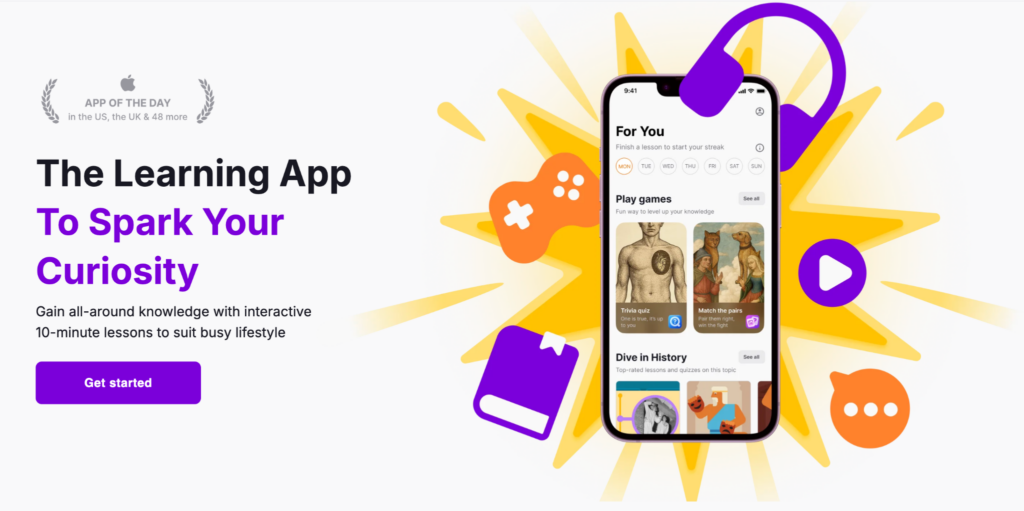
For example, 10 focused minutes feels manageable, especially when your phone with a YouTube or TED video is already in your hand.
We built this list after reviewing top app rankings, educational categories, community discussions about microlearning apps, and continuous learning habits. Every app here has active updates and practical use.
The apps fit naturally into this shift toward short learning sessions and help you compare the solutions people actually use. You can quickly see which format fits your schedule, sparking your curiosity and attention span!
1. Nibble App: Focus on Continuous Learning in Small Sessions
Nibble apps is a learning app built around short interactive lessons. The app focuses on logic and small learning sessions that fit into fragmented schedules.
You can open a lesson, solve and check a few blocks, go through challenges, and move on without feeling locked into a one-hour commitment.
A lot of people lose momentum when lessons feel too long. You start strong, skip two days, then forget where you stopped.
Nibble keeps sessions short enough that opening the app feels easy during a coffee break or on the commute. When it is useful:
- Morning train rides
- Waiting before meetings
- Ten-minute breaks during work
Boosting Daily Productivity With Short Learning Sessions
Recent microlearning research suggests that short, focused learning sessions can improve completion rates and retention. This helps explain why apps built around brief exercises continue to grow, especially since many people use their phones in quick bursts throughout the day.
Nibble is built around that habit. As we mentioned, the app and its platform break learning into quick sessions, so inside it, you’ll find:
- Interactive exercises designed to take just a few minutes
- Short lessons organized by topic for easier navigation
- 20+ topics, including art, history, finance, math, and biology
- Progress tracking that helps you continue where you left off
- A mobile-first interface made for on-the-go learning with a minimalistic design
2. Headway App: Read Nonfiction Book Summaries and Check Ideas Faster
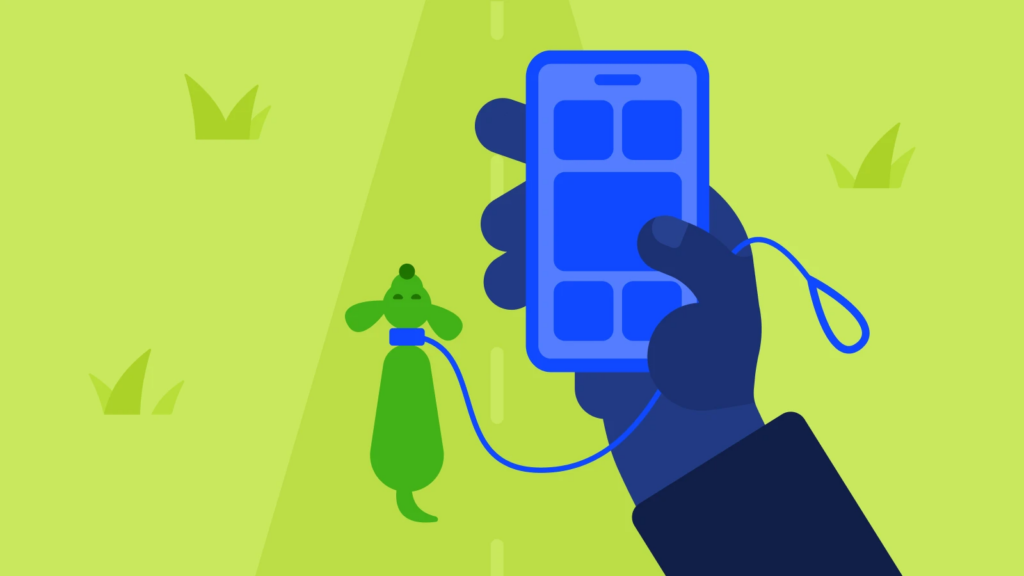
The Headway app is a nonfiction summary app focused on psychology, productivity, money habits, communication, self-development, and other topics from popular bestsellers. The summaries are designed for short reading sessions and usually take about 15 minutes to complete.
Full nonfiction books take time that many people do not consistently have during the week. You may want the central ideas before deciding whether the full book deserves six or seven hours of reading time. This format works well for people who want structured learning during small breaks.
Headway has over 55+ million downloads and is available in more than 170 countries. Apple selected the app for the App Store’s Editors’ Choice category.
Public company information and mobile app tracking data continue to place it among the most downloaded book summary apps. Simply because you can get practical insights from top nonfiction bestsellers like ‘Atomic Habits’ by James Clear or ‘Deep Work’ by Cal Newport.
You can read books like ‘The Psychology of Money’ by Morgan Housel to gain insights into financial decisions that often stem from emotion and routine behavior. Besides, this curiosity app has useful features for sparking your learning interests:
- Audio and text summaries
- Visual cards with key concepts
- Curated topic collections
- Daily reading goals
- Retention tools and more
3. Duolingo App: Practice Languages Daily
Duolingo uses short language exercises to build vocabulary and listening skills. The lessons move quickly and fit naturally into five or ten minutes of free time.
Long language courses often lose momentum after the first few weeks. Daily repetition works better when the lesson feels short enough to finish before work or during a commute, so the app would be useful there, too.
The app reported more than 100 million monthly active users in public investor reports. The app remains near the top of education rankings in both major app stores.
The app also includes several features designed to make learning more consistent and flexible throughout the day. It helps users stay motivated and adjust lessons based on their progress:
- Daily streak tracking to encourage regular practice
- Offline lesson mode for learning without an internet connection
- Speaking exercises that help improve pronunciation and confidence
- Adaptive quizzes that adjust to your learning pace and performance
4. Brilliant App: Solve and Practice Logic Problems
Brilliant focuses on math, coding, and science through interactive exercises. The lessons ask you to solve problems directly on the screen, which helps to avoid passively reading explanations.
Technical subjects disappear from memory quickly when you only read about them. That is why solving small exercises during the lesson keeps your attention active and helps retention.
Brilliant continues to appear in STEM learning discussions across different social media discussions and education publications.
The app has strong ratings in science and math categories, and it is particularly well-rated among users looking for interactive problem-solving instead of traditional lecture-style lessons.
Its learning experience focuses on active participation, trying to avoid passive reading. Key features include:
- Interactive exercises that encourage step-by-step problem solving
- Daily challenges designed to build consistent learning habits
- Visual math explanations that simplify complex concepts
- Progress tracking to help users monitor improvement over time
5. Coursera App: Study University Courses and Get Certificates
Coursera provides mobile access to university courses and professional certifications. You can download lectures and continue lessons without sitting at a desk.
As structured education usually requires fixed schedules that many working adults cannot maintain, the app helps to solve this issue. The mobile access allows lessons to fit around jobs and daily routines.
Coursera partners with universities and institutions, including Yale University and Stanford University, helping it become one of the largest online learning platforms for academic and professional education.
Public reports show millions of registered learners across subjects ranging from business and computer science to health and data analytics.
The platform combines university-style structure with flexible online access. Key features include:
- Downloadable lectures for offline learning
- Certificates that can be added to resumes or LinkedIn profiles
- Peer-reviewed assignments that encourage collaboration and feedback
- Scheduled coursework designed to keep learners on track with weekly deadlines
Learning Apps Help You Use Small Time Blocks Better
Different learning apps fit different parts of the day, depending on your energy, focus level, and personal goals. Logic-based exercises and problem-solving activities often feel easier in the morning, when concentration is usually stronger, and distractions are lower.
In contrast, short expert talks, summaries, or audio lessons tend to work better during evening downtime or while multitasking.
This shift toward microlearning continues to grow because it aligns with how people already use their phones — in quick sessions throughout the day. Many apps now focus on short interactions that feel easier to start and maintain consistently.
The best approach is often simple: you can test one learning format for a week and see how naturally it fits into your routine.
Some people stay consistent with daily quizzes, while others prefer listening to short lessons during commutes or breaks.
The right app that sparks your curiosity is usually the one that works smoothly with your existing schedule!