
Phishing attacks are getting more sophisticated by the day. It wasn’t too long ago that we only had to worry about spam emails with obvious red flags like that persistent Nigerian prince. Now, those same emails are AI-powered.
They mimic the patterns, styles, and even errors of specific people. The same technology that’s driving creative innovation is also powering the new era of deception.
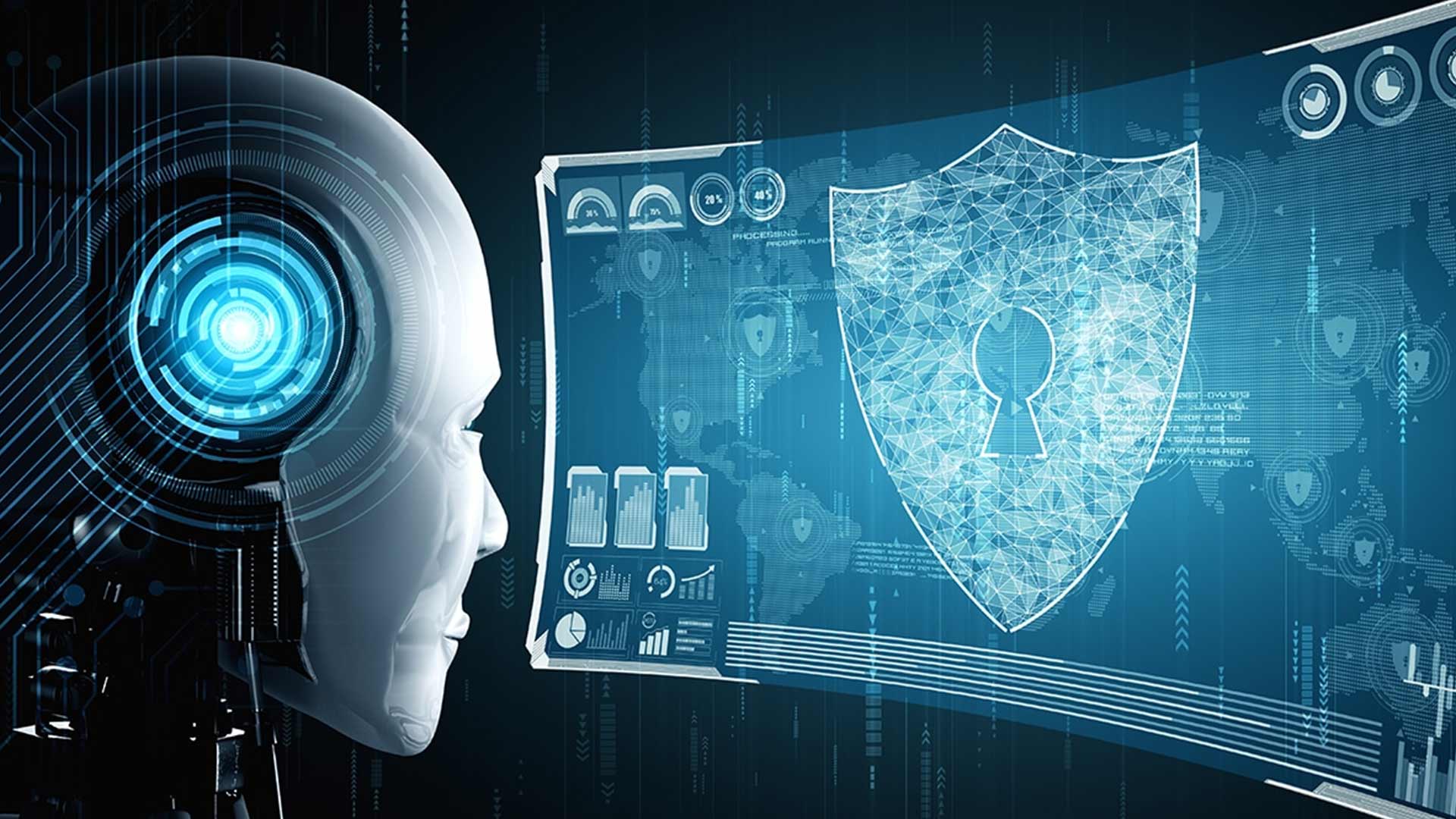
As these threats become more adaptive, security frameworks must adapt to match. This shift means that machine learning has become essential for many organizations.
It can help maintain baseline protection from phishing, while monitoring for subtle signs of fraud before users open the message. That’s why we’re going to take a close look at the security balance once AI is on the team.
AI-Powered Phishing Attacks
Artificial intelligence has radically redefined how phishing works. Scammers don’t need to depend on obvious scam emails, or worse, generic ones.
Instead, modern fraudsters are using AI models to analyze official company communications to create messages that sound legit. These models can read public data, learn nuances of a particular executive’s communication, and create messages to mimic them.
Others use sound bites gathered from public speaking, press clips, and even social media to train malicious AI models. These models create a deepfake voice profile to impersonate business leaders so nobody questions their request.
The same can be done for chatbots. Automated social engineering AI bots imitate support agents to gather credentials.
The most dangerous part of these systems is undoubtedly their efficiency and scalability. Fraud doesn’t need an extensive team anymore.
It needs one individual with access to AI tools and an internet connection. That individual can now target hundreds of companies or thousands of individuals.
Machine Learning Defense Systems
Machine learning has become the foundation of modern cybersecurity. We’ve moved past fixed rules or manually reviewing reports.
Machine learning models analyze millions of messages, URLs, and user behaviors to identify trends a human would never spot.
By looking at context and content, ML tools can combine with predictive analytics to find suspicious activity. This capability can prevent scam emails from ever reaching employees’ inboxes. Then, automated quarantine systems isolate threats instantly.
The more they run, the better they get. Each new incident helps train the model, increasing future protection against phishing attacks constantly.
The Future of AI vs AI in Cybersecurity
Over the next several years, the see-saw of AI and ML will gain intensity. Attackers will keep creating more powerful AI phishing scams.
Defenders have to deploy autonomous systems that can monitor and adapt. Future security frameworks will depend on AI-powered global threat intelligence.
However, there are going to be substantial challenges. Machine learning systems get false positives and miss things they aren’t trained on.
This limitation means there will always be a need for balance in the typical Red Team/Blue Team paradigm. Defense can only get better if it’s trained on a better offense.
By the dawn of the new decade, our view of digital security should look wildly different if both sides have done their jobs well.
Shifting Power Dynamics
The battle between AI-driven phishing and AI-based defense is a significant turning point in digital security. Machine learning allows defenders to predict, block, and adapt faster than attackers can react.
Even still, nothing is foolproof. The future of cybersecurity will depend on layered protection, awareness, and training. In the end, organizations that invest in adaptive learning models will stay ahead of the curve. Remember: you have to defend constantly, but they only have to get in once.




