
The electric vehicle (EV) revolution is not just about cleaner energy or zero emissions—it’s about intelligence, automation, and seamless connectivity. Thanks to the integration of Artificial Intelligence (AI) and the Internet of Things (IoT), EVs are evolving into smarter, more adaptive machines that can think, communicate, and even predict user needs.
This powerful combination is shaping the next generation of transportation, where cars are no longer just a means of travel but intelligent partners on the road.
Smarter Energy Management
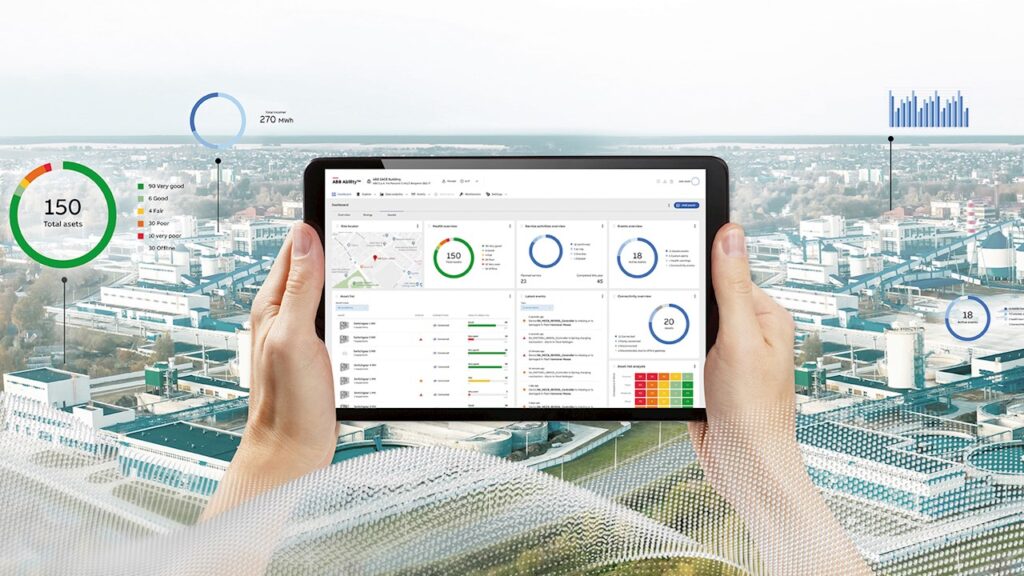
One of the most remarkable benefits of AI and IoT in EVs is efficient energy management. Traditional vehicles rely on human judgment and basic indicators to monitor fuel or battery levels, but AI-driven EVs go a step further. They continuously analyse driving patterns, road conditions, and energy consumption in real time.
For instance, AI algorithms can predict how much charge will be consumed based on route selection, traffic conditions, and even weather forecasts. This ensures drivers are never caught off guard with low battery levels.
Meanwhile, IoT connectivity allows the vehicle to communicate with nearby charging stations, reserving a spot or optimizing the route for charging convenience.
Companies like Tesla, Rivian, and Hyundai are already using AI and IoT technologies to refine battery performance and optimise charging cycles—extending battery life and improving efficiency with every update.
Predictive Maintenance: The Car That Diagnoses Itself
Gone are the days of unexpected breakdowns. With IoT sensors embedded across vehicle systems, smart EVs can monitor every component—from tyre pressure to motor temperature—in real time. These sensors feed data to AI models that detect irregularities and predict potential failures before they occur.
This predictive maintenance system not only enhances safety but also reduces repair costs. For fleet operators and logistics companies, this level of insight is transformative.
They can schedule maintenance proactively, minimising downtime and extending vehicle lifespan. According to Whatsontech, the ability of AI and IoT to predict and prevent mechanical failures is becoming one of the strongest reasons companies are adopting smart EV fleets.
Personalized Driving Experience
AI doesn’t just power the mechanics—it personalizes the driving experience. Smart EVs use AI to learn user preferences such as seat position, temperature settings, preferred routes, and even music choices. When combined with IoT, the vehicle syncs seamlessly with the driver’s smartphone, home devices, and cloud accounts.
Imagine stepping into your car on a chilly morning and finding it already preheated, your favourite playlist queued, and the navigation system suggesting the least-congested route. That’s the convenience AI and IoT bring to modern mobility.
Autonomous and Safer Driving
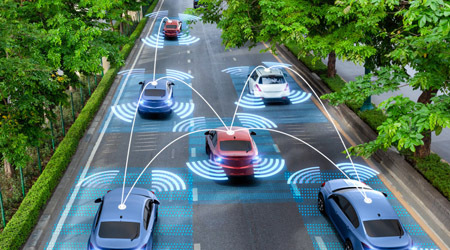
Autonomous driving is one of the most ambitious frontiers for AI in EVs. AI-powered sensors, cameras, and LiDAR systems process vast amounts of environmental data in milliseconds, enabling vehicles to make split-second decisions. IoT connectivity enhances this capability by enabling cars to communicate with each other (Vehicle-to-Vehicle, or V2V) and with infrastructure such as traffic lights (Vehicle-to-Infrastructure, or V2I).
This real-time communication network reduces the risk of accidents, optimizes traffic flow, and paves the way for safer roads. Moreover, AI continuously learns from millions of miles of driving data, improving decision-making and adapting to complex scenarios such as unpredictable pedestrian movement or adverse weather conditions.
Seamless Integration with Smart Cities
As cities become smarter, EVs are playing a crucial role in connecting urban mobility with intelligent infrastructure. IoT-enabled EVs can communicate with smart grids to charge during off-peak hours, reducing strain on the power supply. Some systems even allow bidirectional charging, where EVs can feed excess energy back into the grid—turning cars into mobile energy storage units.
In future smart cities, AI could coordinate EV charging schedules across thousands of vehicles to balance energy distribution efficiently. Public transportation, delivery fleets, and personal EVs could operate harmoniously through connected networks that respond dynamically to demand and availability.
The Road Ahead
The convergence of AI and IoT is redefining what vehicles can do. The next generation of EVs will not only be greener but also smarter, safer, and more responsive to both drivers and the environment. As more manufacturers embrace these technologies, consumers can expect vehicles that communicate, adapt, and even think ahead.
From predictive maintenance and intelligent route planning to personalised comfort and autonomous navigation, AI and IoT are driving the evolution of mobility. The journey ahead isn’t just electric—it’s intelligent.




