Compensation planning influences household stability, retention, morale, and confidence in leadership. Yet annual reviews often depend on disconnected spreadsheets, email chains, and incomplete records. Those conditions make errors harder to detect and decisions harder to explain.
Compensation software brings essential information into a controlled process. It helps teams review pay recommendations more consistently, gives managers practical guidance, and supports clearer communication throughout the cycle. Better structure can make each decision easier to evaluate.
Centralized Planning Creates Better Control
Pay planning starts with accurate records. Employee details, salary bands, budget limits, performance notes, and proposed adjustments should sit in a single controlled workspace.
Compensation management software brings these inputs together, allowing reviewers to compare recommendations without reconciling scattered files.
That shared record reduces version errors, exposes missing information, and gives leaders a clearer basis for approving changes. Managers can then focus on judgment rather than administration.
Clear Guidelines Support Consistent Decisions
Pay reviews become difficult when managers interpret policy differently. Common rules establish reference points for merit increases, promotions, bonuses, and equity awards. System checks can flag requests above budget limits or outside approved ranges.
These safeguards reduce avoidable exceptions while preserving room for professional judgment. Compensation specialists gain more time to examine unusual cases, assess context, and advise leaders before final approval.
Budget Visibility Matters
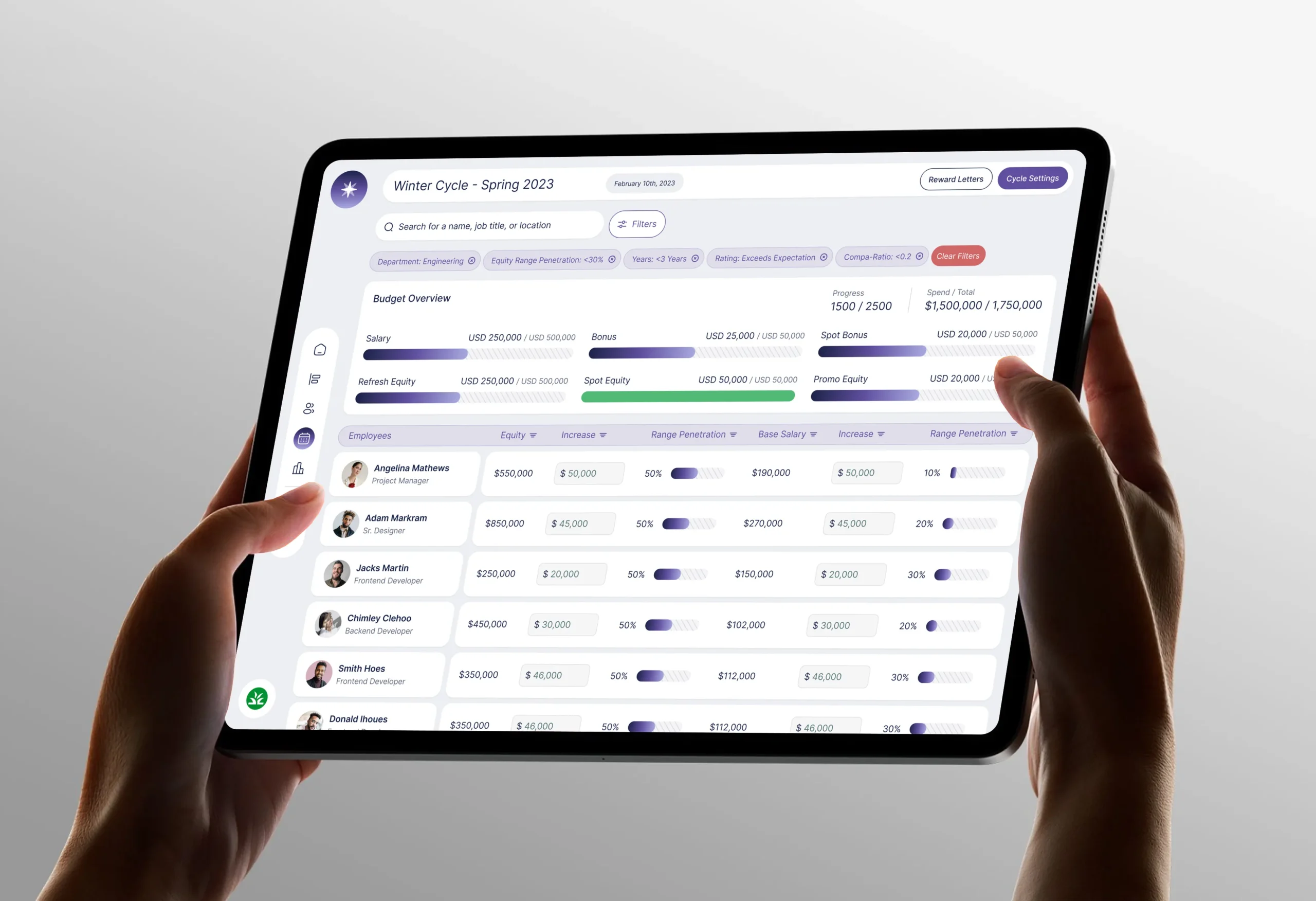
Spending limits are most beneficial when leaders can see remaining funds at each review stage. Planning tools may show department allocations, manager allowances, or company-wide totals. Each view connects recommendations with financial capacity.
Early visibility prevents late reductions and rushed revisions. Finance partners also receive clearer explanations, since proposed increases relate directly to approved resources and documented assumptions.
Managers Receive Practical Guidance
Managers often know their employees well but need support during pay discussions. A structured review page can display current salary, job level, performance findings, proposed changes, and available funds. Relevant prompts encourage careful recommendations without adding unnecessary paperwork.
Clear guidance also improves conversations with employees. Leaders can describe decisions more accurately because the supporting information remains close at hand.
Real-Time Data Improves Market Alignment
External pay information can shift as hiring conditions change. Planning systems that connect recommendations with current benchmarks help teams assess scarce roles, regional differences, and changing job levels. Internal comparisons remain important, but outside evidence adds needed perspective.
Accurate references support more defensible decisions. They also help leaders explain why a proposed salary fits both organizational policy and current hiring conditions.
Analytics Reveal Problems Early
A review cycle should show more than final approval totals. Live reports can display completion rates, budget use, approval status, salary distribution, and department patterns. These measures help teams identify stalled work or unusual recommendations before deadlines arrive.
Correcting issues early takes less effort than fixing mistakes after payroll updates. Clear reporting also gives executives concise evidence for questions about spending and pay equity.
Permissions Protect Sensitive Information
Compensation records contain personal and financial details, so access must be tightly controlled. Systems can assign visibility by role, department, location, or approval duty. Managers receive information relevant to their teams, while confidential records remain restricted.
A documented permission model supports sound governance. It also simplifies audits and personnel changes, since administrators can review who has access and why.
Employees Gain Greater Clarity
Employees may never see internal review screens, but the process still affects trust. Consistent recommendations help managers communicate outcomes with confidence.
Employee award letters and total compensation summaries can present salary, incentives, and equity in a readable format. Better explanations reduce confusion after review meetings. They also help employees see how pay relates to role expectations, performance evidence, and company policy.
Planning Software Saves Valuable Time
Manual cycles consume hours through data checks, file updates, reminders, and rounds of corrections. A connected workflow reduces those repetitive duties and keeps related information together.
Compensation teams can spend more time preparing managers, examining exceptions, and improving pay programs.
Time savings matter during annual merit reviews, when deadlines affect every department. Cleaner execution reduces dependence on late-night corrections.
Better Records Strengthen Future Cycles
A completed cycle produces evidence for the next planning period. Historical recommendations, approval patterns, budget use, and outcome reports can expose recurring gaps. Teams can revise guidelines using documented results instead of memory.
Regular review improves decision quality over time. It also gives leaders stronger support for discussions about pay strategy, staffing needs, and future budget requests.
Conclusion
Compensation software gives pay planning a clearer operating structure. Centralized records reduce administrative errors, while budget controls and approval paths support disciplined decisions. Managers get practical context, analysts get earlier warning signals, and employees get clearer explanations.
Careful permissions protect private information throughout the process. With reliable records and visible workflows, compensation teams can complete reviews on time, defend recommendations, and improve each cycle with evidence.