
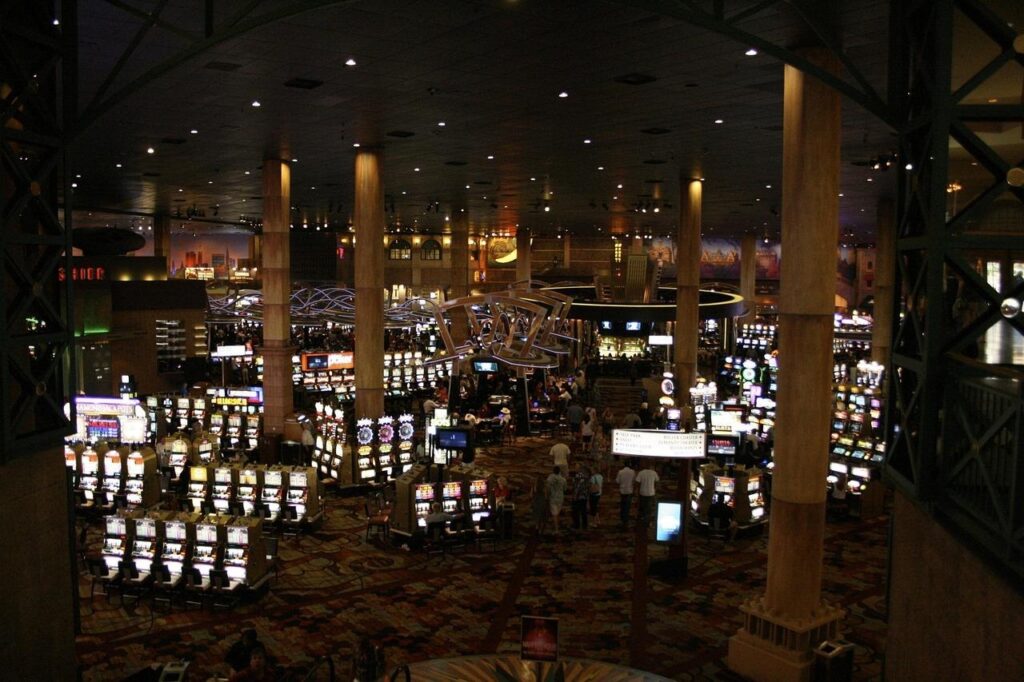
Casino floors have always been carefully designed environments. Lighting, sound, and game placement are arranged to keep guests comfortable and engaged. In recent years, however, the science behind casino design has become far more sophisticated.
Artificial intelligence, behavioral analytics, and real-time data systems are beginning to shape how gaming floors operate.
In Florida, several large casino venues have started integrating advanced analytics tools into their operations.
These systems track player behavior, analyze visit patterns, and adjust marketing strategies or floor layouts based on what the data reveals. The result is a casino environment increasingly guided by predictive models rather than intuition alone.
The shift reflects a broader trend across hospitality and entertainment industries where real-time customer data influences how experiences are designed and delivered.
Data Systems Are Reshaping Casino Operations
Modern casino floors generate enormous volumes of data. Slot machines track spins, betting patterns, and session length. Loyalty programs record player visits, spending habits, and preferred games.
Across several florida casinos, operators have begun integrating analytics platforms that process this information almost instantly. Instead of reviewing reports weeks later, casino managers can monitor guest activity as it unfolds on the gaming floor.
Real-time behavior tracking affects more than marketing by helping casinos respond instantly to how guests use the gaming floor.
If analytics show longer slot sessions in the evening or declining late-night table play, operators can quickly adjust machine placement, staffing, lighting, or incentives to adapt the environment.
Case Study: Seminole Hard Rock’s Data-Driven Floor
One of the most visible examples of data-driven casino operations in Florida is the Seminole Hard Rock Hotel and Casino in Hollywood.
The property operates one of the largest gaming floors in the state and has invested heavily in digital infrastructure.
Through integrated loyalty programs and machine-tracking systems, the casino gathers detailed insights into guest movement, wagering patterns, and time spent at individual games. AI models analyze these signals to identify trends that might otherwise go unnoticed.
Historical visit data plays a role, but real-time activity is equally important. If analytics systems detect a VIP guest spending extended time on high-limit machines, staff can receive immediate alerts.
Hosts may respond by offering dining reservations, event tickets, or tier-based bonuses designed to extend the visit.
This level of responsiveness transforms the traditional VIP program from a static reward structure into a system shaped by live behavioral data.
Predictive Marketing and Real-Time VIP Incentives
Predictive analytics has reshaped how casinos communicate with guests by replacing broad promotions with personalized incentives. These offers are based on both historical visit patterns and real-time activity on the gaming floor.
For example, if a frequent player typically returns every two weeks or suddenly increases their wagering during a session, the system can flag the change instantly.
Hosts can then respond with real-time perks such as bonus play credits, complimentary services, or temporary loyalty-tier upgrades.
Case Study: Data Analytics at Gulfstream Park Casino
Another example can be seen at Gulfstream Park Casino in Hallandale Beach, where analytics platforms monitor player activity alongside entertainment and hospitality data.
By combining gaming behavior with broader venue activity, operators can observe how guests move between restaurants, race events, and slot machines.
If players tend to return to the gaming floor after dining, marketing teams may design promotions that encourage this cycle.
Real-time data also helps determine which slot machines or table games attract repeat visits. Games that generate consistent engagement may be moved into high-visibility areas, while underperforming machines are replaced or repositioned to test different traffic patterns.
The Ethical Tension of Smart Casino Design
While these technologies promise efficiency and more personalized experiences, they also raise ethical questions.
The same systems that detect player preferences can identify patterns linked to extended play, and critics argue that real-time monitoring and targeted incentives may encourage vulnerable players to continue gambling longer than intended.
Privacy advocates also question how much behavioral data casino sites should collect, since tracking systems often record detailed information about sessions, movement across the floor, and spending patterns.
Operators respond that these analytics can also support responsible gaming by flagging risky behavior and prompting alerts or spending limits, but the tension between optimization and ethics remains a continuing debate.
A New Chapter of Casino Intelligence
Artificial intelligence is reshaping how casinos understand and manage their gaming environments. Data-driven tools now influence everything from slot placement to personalized marketing campaigns.
Florida’s casino industry offers an early example of how these systems might evolve. By combining historical records with real-time behavioral tracking, operators can continuously adapt the gaming floor to match guest activity.
For visitors, the experience may feel more tailored and responsive. For the industry, however, the technology represents something larger: a shift toward algorithmic decision-making in one of the world’s most data-sensitive entertainment sectors.
As AI continues to evolve, the challenge will not only be improving casino efficiency. It will also be ensuring that the pursuit of the house edge does not come at the cost of transparency, privacy, or responsible gaming practices.




