Peer-to-peer (P2P) cryptocurrency exchanges remain popular because they let users transact directly, which can be more private, flexible, and cost-effective than using centralized platforms.
But building such an exchange isn’t the same as building a conventional one, as it requires specific functions such as an escrow mechanism, dispute resolution, fiat deposit/withdrawal pathways, and a trustless settlement system without a centralized order book.
Choosing the wrong partner can lead to budget overruns, security vulnerabilities, and an inability to scale the product long term. Here’s a complete guide to help you choose the right development agency and avoid these mistakes.

What is P2P crypto exchange development?
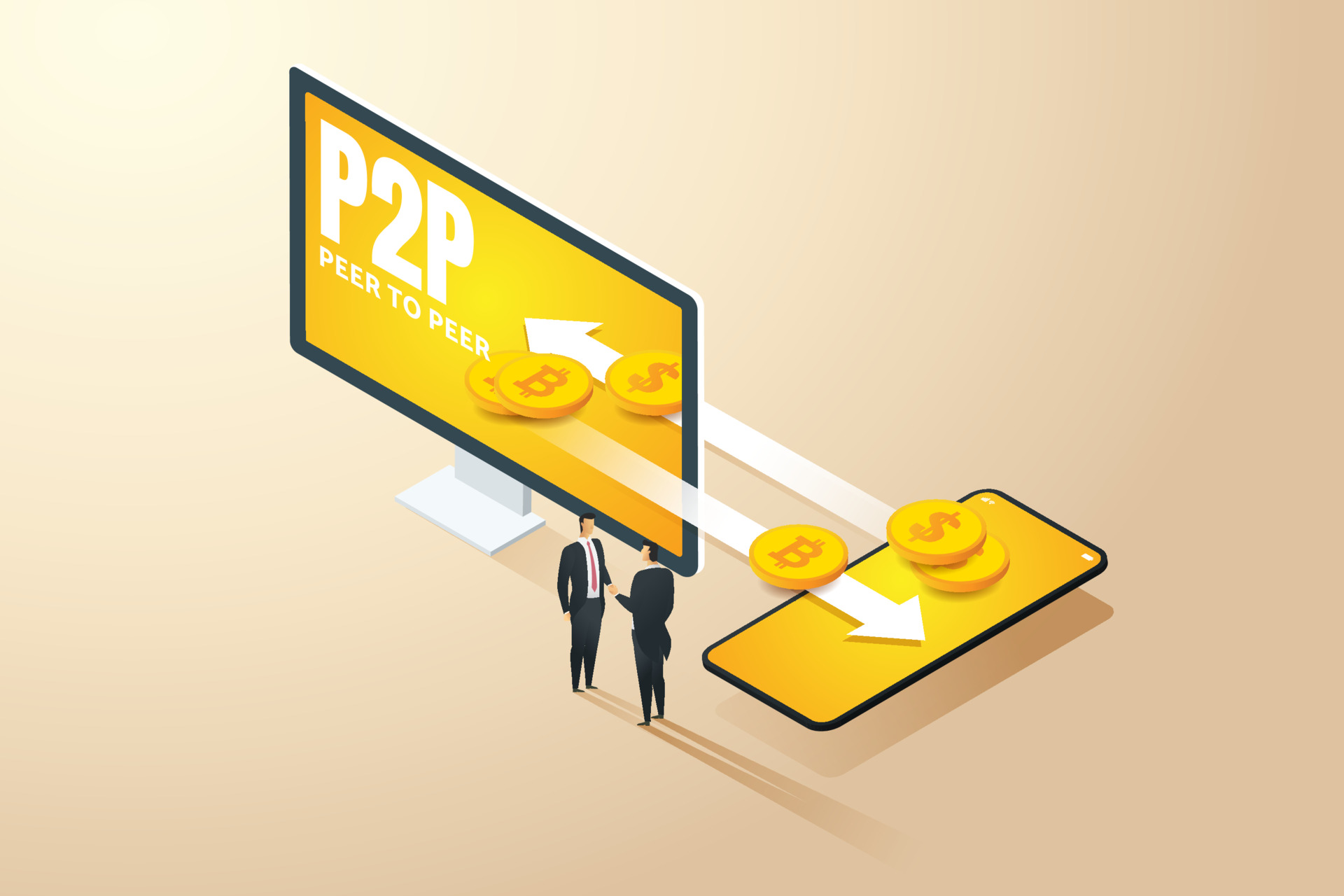
Developing a peer-to-peer (P2P) cryptocurrency exchange means building a market where traders buy and sell cryptocurrencies directly with one another, eliminating the need for company liquidity. Unlike a centralized exchange, a P2P platform eliminates the requirements for order book operations and price discovery.
Once operational, the P2P cryptocurrency marketplace will allow corporations to do business in areas that lack financial infrastructure and will help create currency pairs that incorporate local currencies.
Why businesses are launching P2P crypto exchanges?
The attractiveness is based not only on technical aspects, but also on tactical ones. Many companies are utilizing such technology because the approach can solve issues in markets where centralized systems cannot cope with – for example, in markets where there is no bank service offered or exchange controls are imposed. Below are some common examples:
- Opportunities to reach groups of the population with limited access to banking services
In areas with no access to banking facilities or where foreign currency restrictions exist, the P2P trading platform could be the only option for people who want to trade cryptocurrencies. Businesses operating in these areas meet a need that centralized exchanges cannot and face no competition.
- Cost reduction of operations
Since there are no order books or clearinghouses, the trader bears the responsibility. Operating costs will be greatly reduced because there is no need for market makers and large clearing departments.
- Regional payment alternative acceptance
The ability to process P2P payments, along with bank transfers, mobile money transfers, cash transfers, and other regional payments that CEXs do not have access to, is an important competitive advantage, especially in developing countries that lack such payment-processing infrastructure.
- Regulatory classification
A P2P network might be incompatible with orders and transactions, so it could fall into a separate regulatory category from an exchange that provides custody and clearing. Licensing is simple but complex.
- Community credibility systems guarantee that users are retained
Once traders build an impressive reputation within the ecosystem, switching to other systems becomes costly. Compared with regular trading platforms, this approach grants a competitive edge: it retains users while also using the system as a marketing tool.
- No market risk involved in earning income
This income is generated by assisting the trading activities and is not due to investments or trading in the assets shown on the firm’s balance sheet. Therefore, these assets carry no market risk exposure.
Key factors to consider when choosing a P2P exchange development company
Not all firms that are operating in the blockchain industry are competent enough to build a P2P platform. Developing a peer-to-peer platform is much more difficult and riskier than building a standard dApp or site. The following points represent the criteria that distinguish a successful p2p crypto exchange development company from others.
Technical expertise and blockchain proficiency
Your team members need hands-on experience with all blockchain networks you plan to target. They need practical experience with exchanges, DeFi, smart contract audits, and even live products. The experience should not just entail conceptual understanding of Web3 technologies.
Security architecture and audit practices
Design the architecture with security questions in mind, not the day before you ship the product. The company should also regularly audit smart contract agreements by trusted third parties and have a secure wallet solution (multi-sig/MPC) and incident response plan.
Regulatory compliance and licensing support
Cryptocurrency regulation differs greatly from one country to another, and for a development-driven partner, it is vital to consider KYC/AML procedures in the P2P environment. A committed support team can help you choose the right solutions to meet your target audience’s regulatory requirements.
Do not treat this as an add-on; platforms that ignore these responsibilities may be blocked, fined, or prevented from using banking services.
Scalability and infrastructure
Your system needs to scale up properly without cracking when the first big traffic spike hits. Find out whether your business follows a microservices or modular approach, whether they conduct any form of load testing, and whether they have ensured that the system scales horizontally.
Core P2P features (escrow, dispute resolution, payment methods, reputation system)
Features that determine whether a P2P transaction succeeds or fails differ from those in a conventional market trading environment.
Ensure your team can meet the following requirements to support success: automated escrow that holds funds during the transaction; a dispute-resolution process using mediation or arbitration; multiple payment methods; and a rating system.
Portfolio and past P2P projects
Generally, blockchain experience is valuable; however, in this situation, peer-to-peer payments experience matters more. Ask them to present several examples of operational systems they have developed, and ask for references from previous customers if possible. Also, pay close attention to how they organize escrow, dispute resolution, and payment system integration.
What should a P2P crypto exchange include?
For a successful peer-to-peer transaction, a trading system and the right architecture are necessary to guarantee security, efficiency, and fair trade for both parties. Some components of a live market include:
- User Authentication (KYC/AML): authenticating users helps the platform comply with regulations and reduces fraud risk. The process must be multi-layered so ordinary users have an easier process than large-amount transactions.
- Escrow system: automatically freezes funds in the system before both parties approve the deal. Thus, you don’t have to trust anyone personally because the system protects your funds until the deal is completed.
- Multiple currencies and payment methods: you can exchange your cryptocurrency for regular money, and you can also accept other payment options like bank transfers, mobile money, or even payment cards. The more payment options you provide, the wider your coverage will be.
- Dispute resolution system: It is an automated process designed to handle any disputes that may arise due to failed trading transactions. This system includes specific rules and deadlines.
- Reputation and rating system: A history of transactions and user rankings that allow you to assess a trading partner. This creates a regulatory system that does not require constant moderator monitoring and helps eliminate fraud.
- Live chat inside the app: secure chat service for traders to communicate payment information. The iThe internal messaging system gives the company the transaction history in case of any disputes.
- Integration with the wallet: secured wallet, with or without cold storage. Depending on your regulatory approach and how much flexibility you want to give users, the decision is yours.
Custom P2P exchange vs. white-label solution
The first step is deciding which of the two ways is suitable for you – developing your own platform or creating the white-label platform. Both approaches have pros and cons, and your decision will depend on how much money and time you can commit.
Complete customization development gives you full flexibility in functionality, branding, and architecture, which you may need if you want to focus on a specific niche where no one else can offer what you can. It is more costly and time-consuming, but it gives you no restrictions.
White label means using a marketplace platform that is already built but adapted to your brand’s specifics. Although this strategy helps you get to market faster and at a lower cost, it is limited in functionality because you can only work within the supplier’s framework.
Here’s what to weigh before deciding:
- Time to market: creating the white-label product takes a couple of weeks, while creating a custom product may take months. If you face competition from other brands or are just testing the market, time is your top priority.
- Total cost of ownership: the bespoke solution is costly at first, but has no recurring fees; the white-label solution is cheap at first, but total costs increase over time.
- Function flexibility: the custom solution allows you to develop precisely what your customers need, for instance, special deposit rules or money transfers, while the white-label solution confines you only to what is provided by the provider.
- Risks associated with ownership and dependence: with custom software, you own the software; with a white-label solution, you depend on consistent cooperation with the vendor and their cost structure.
Security should be a top priority when picking a partner
Safety should never be a secondary consideration; it should form the basis of everything else. Peer-to-peer business entails money, problems, and fraud from the outset; therefore, a development partner’s safety policy should be among the first considerations, not the last.
Escrow and wallet security
The logic is that the escrow account contains users’ money at stake in every transaction, making it the weakest point in the process. Make sure developers use reliable escrow smart contracts and/or multi-sig/MPC wallets.
Two-factor authentication and access controls
All user accounts, including traders’ accounts and internal administrative accounts, must have strong access controls to prevent unauthorized access.
Please ensure you use two-factor authentication (2FA) and role-based access control for login, withdrawals, and user account modifications. Inadequate access controls in the management system are among the most common, yet commonly overlooked, ways an attack can occur.
Fraud detection and transaction monitoring
Fraud in P2P trading differs from fraud on an exchange; common tactics include fake payments, fake refunds, and social engineering between the two parties. The other entity can monitor activities in real time.
Smart contract audits and security testing
The escrow contract, payment, and other smart contracts needed to run the platform must be externally audited by a third party before launch. In addition to the third-party audit, the team must run penetration and vulnerability tests regularly after launch.
Common mistakes when choosing a P2P exchange development company
But even skilled entrepreneurs sometimes make mistakes in this process. These are the most common pitfalls that lead to the worst outcomes — and some recommendations on avoiding them.
Choosing based only on development price
More often than not, the cheapest route is the one not worth considering when you factor in what you have to compromise to reach those low prices. The cheapest services do not do any proper quality checks, hire under-qualified individuals for basic functions, and tend to overlook security altogether – at least until it is too costly to fix things.
Ignoring security and compliance
Some enterprises assume they can address safety and regulatory concerns once the platform is fully functioning; in peer-to-peer interactions, this is like putting the cart before the horse. Without KYC/AML protocols and with weaknesses in the escrow system, this could lead to interference from regulator bodies or damage the brand’s reputation.
Failing to check previous blockchain projects
Just because someone gives you a rehearsed sales pitch doesn’t mean they have experience in this industry. Ask them to show you samples of their past work with peer-to-peer transactions and make sure the employees have technical answers to justify why they did what they did before – failure to provide information is an instant red flag.
Underestimating post-launch support
Launch day is not the end of the process, but the beginning of a maintenance process that involves troubleshooting, adding new features, and ensuring sustainability.
Companies that do not set criteria for post-launch support may find themselves in an awkward position once the initial deal expires because they cannot fix issues or add anything new.
Conclusion
When choosing a reliable cryptocurrency P2P exchange development company, the main task is to find one that treats safety, regulation, and scalability as fundamental parts of the project, not add-ons.
These companies can build a safe platform people want to return to; others will need to rebuild the project, remove vulnerabilities, or lose customers to companies that built the right product from the start.
Before working with a development partner, consistently verify the quality of their work by asking for proof of existing P2P platforms, smart contracts, etc.