
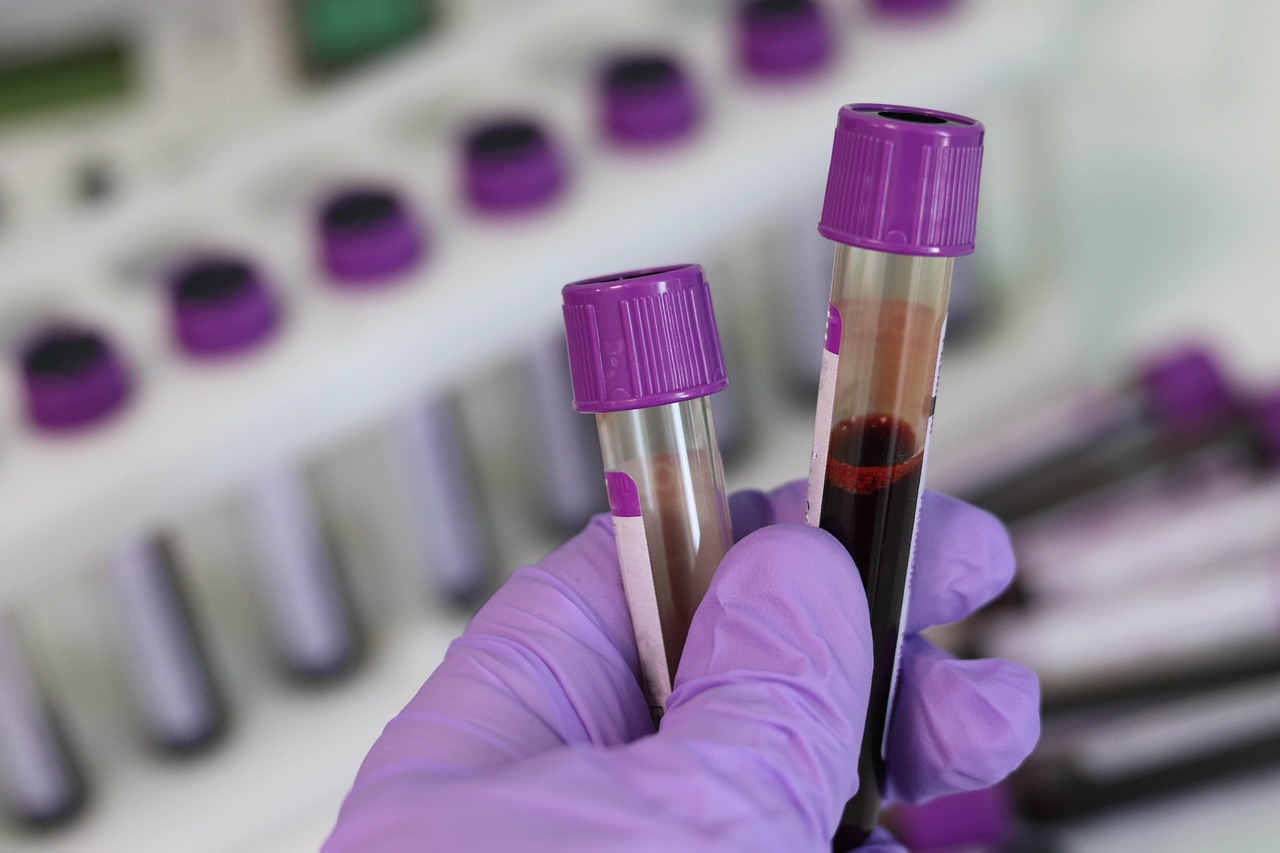
Blood tests have provided a window to the body for decades. A small sample can show infections,hormone changes, blood disorders, and more diseases. With advances in genomics, molecular diagnostics and artificial intelligence, the information that scientists can derive from that sample is evolving.
Future generations of blood testing may go beyond the detection of existing problems. Scientists are looking at new methods to identify minute biological signals, monitor changes over time, and find patterns that indicate disease earlier. One sample can ultimately yield information which would have required several tests.
This will make blood a significant source of health information that moves medicine towards continuous monitoring, earlier detection, and more personalized care.
Blood More Than a Transport System
Blood circulates around the body and transports oxygen, nutrients, hormones, immune system cells, proteins, and other biological substances. It may also carry fragments of damaged or abnormal cells. Scientists are figuring out ways to detect these fragments and understand what they reveal.
Reading Biological Signals
Circulating tumour DNA or ctDNA is one such example. Tumor cells can release small fragments of DNA into the bloodstream, which may help identify certain genetic alterations from a blood sample. This concept is already applied in some aspects of cancer management in liquid biopsy technologies.
The possibilities extend beyond cancer. As scientists identify more markers and gain the capability to measure them, the blood may be a window into biological processes that previously required invasive techniques.
The Rise of Liquid Biopsy
Traditional biopsies usually require a doctor to take tissue from the body. While tissue samples are necessary for a number of diagnoses, they may not be easily available or practical to obtain. Liquid biopsy offers another approach by looking for molecular information circulating in the blood.
A Less Invasive Source of Information
Blood samples can be analysed for genetic changes and other biological markers. In certain cancer applications, blood tests can help determine a genetic change that could affect how the cancer is treated.
However, liquid biopsy is still developing. It is not used as a substitute for all tissue biopsies, and a negative blood test does not rule out the presence of a disease or tumor.
Researchers are still looking to enhance the sensitivity, normalize testing, and identify where these technologies are most clinically useful.
From Diagnosis to Early Warning
The more transformative possibility is not simply diagnosing disease after it appears. It is identifying biological changes before they become obvious.
Moving Toward Predictive Healthcare
Imagine a routine blood sample being analyzed for hundreds or thousands of molecular signals. An algorithm could compare those results with previous samples and identify meaningful changes. The system might flag:
- Emerging signs of abnormal cell activity
- Changes in genetic or molecular markers
- Possible treatment resistance
- Biological changes requiring additional testing
- Patterns that could help assess future health risks
This would not mean that an algorithm could predict every illness with certainty. Instead, blood analysis could become another layer of early warning that helps physicians decide when further investigation is appropriate. This approach fits the broader movement toward preventive and personalized medicine.
Smaller Sample More Information
Another transformation may involve the amount of blood required for sophisticated testing. The new developments in sequencing, molecular diagnostics, microfluidics, and laboratory automation make it more feasible to obtain vast amounts of information from relatively small samples.
Bringing Diagnostics Closer to Patients
Future systems could combine compact testing equipment with cloud-based analysis and artificial intelligence. A sample collected at a local clinic could potentially be processed rapidly while computational tools assist with interpreting complex molecular patterns.
For patients, the experience could remain simple: provide a small sample and receive a more detailed picture of what is happening inside the body. The complexity would exist behind the scenes.
The Importance of Better Sample Collection
Advanced diagnostics depend on more than sophisticated software. The quality and handling of biological samples can affect the reliability of downstream testing.
The Foundation Behind Reliable Testing
For instance, a blood culture collection set is used to collect blood for microbiological testing. It is not the molecular testing that would be used for future liquid biopsies, but does illustrate one of the key principles of reliable diagnostics: the need for adequate collection, handling, storage, and processing.
With the latest advancement in blood-based diagnostics, healthcare systems must continuously maintain sample quality while minimizing contamination, delays, and handling errors.
Healthcare Could Become More Continuous
Many people interact with healthcare primarily when something feels wrong. Future healthcare could involve more regular monitoring. Multiple blood assessments might provide a longitudinal record of changes in the biology rather than occasional snapshots.
Monitoring Change Over Time
This could be particularly useful for people receiving treatment. Clinicians may increasingly combine symptoms, imaging, and molecular information collected at different points in time. A future monitoring process could involve:
- Collecting a small blood sample
- Measuring relevant molecular markers
- Comparing the results with previous samples
- Identifying significant changes
- Reviewing the findings with the patient’s medical history
- Deciding whether additional testing or treatment changes are appropriate
Technology would support clinical decision-making rather than replace physicians.
A New Opportunity for Health Innovation
The development of blood-based diagnostics could create opportunities beyond hospitals and laboratories. Companies may find applications in:
- Sample collection
- Portable diagnostics
- Laboratory automation
- Data infrastructure
- Biomarker discovery
- Clinical decision-support tools
Building Businesses Around Emerging Diagnostics
This is where foresight-driven business ideation becomes relevant. Businesses can examine how diagnostics, genomics, artificial intelligence, and decentralized healthcare could converge and identify potential services before these markets become mainstream. Potential future products could include:
- Portable molecular testing platforms
- Personalized health-monitoring services
- Automated sample-processing systems
- Secure longitudinal health-data platforms
- AI tools for interpreting complex biomarker results
The commercial potential will still depend on scientific validation, regulation, privacy protections, and public trust.
The Privacy Question Cannot be Ignored
A blood sample that reveals increasingly detailed information about someone’s biology also raises important questions.
Who Controls Biological Data?
Who owns the resulting data? Who can access it? How long should it be stored? What if employers, insurance companies, or other groups could access such biological information and misuse it?
As molecular profile diagnostic systems become more sophisticated, these concerns will be more prominent. With the benefits also comes an increased need for robust protections of consent, security, transparency, and use of health information.
A Small Sample with a Large Future
The future of blood-based medicine may not depend on one dramatic breakthrough. It may manifest itself through the incremental integration of sequencing, molecular diagnostics, artificial intelligence, automation and better laboratory systems.
Liquid biopsies are already being employed in specific clinical uses with researchers trying to find further applications for them. For a sustainable tomorrow, the healthcare system seeks more efficient and less invasive approaches with a small sample becoming one of its most valuable sources of information.
Endnote
The long-term possibility is healthcare that can monitor biological changes and identify potential problems earlier. That future is not here yet, and many applications still require substantial clinical evidence.
However, the direction is clear. A tiny blood sample may eventually provide a remarkably detailed picture of human health, helping medicine move further toward earlier detection, personalized treatment, and prevention.




