Digital payments in 2026 are no longer just about sending money online. The shift is happening in how fast transactions are completed, how seamlessly they are integrated into platforms, and how intelligently systems handle them.
Owners and platforms are redesigning experiences around how money moves, not just enabling transactions.
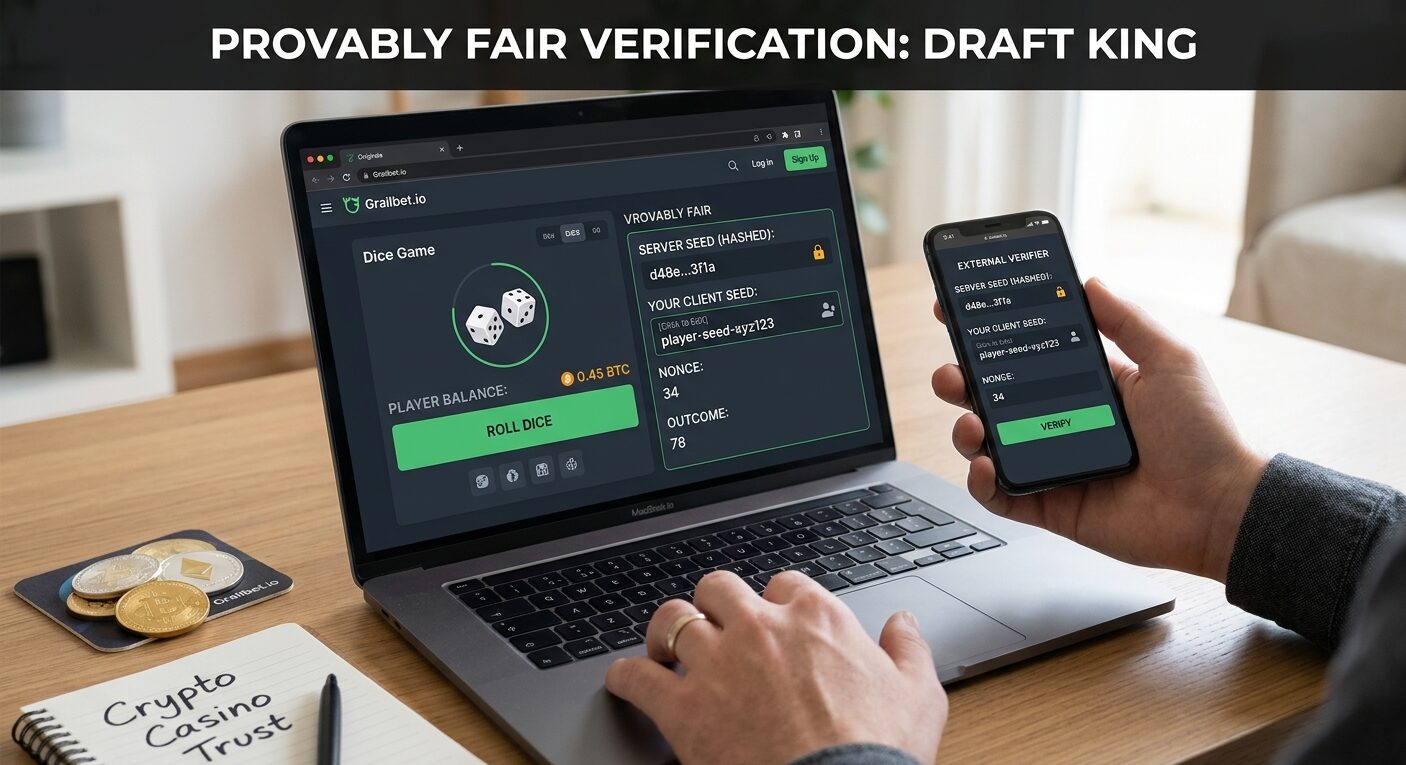
One of the clearest signs of this shift appears in industries where withdrawal speed directly impacts trust, like online casinos. It shows in the Northeasttimes guide, which ranks the fastest payout online casinos based on real withdrawal performance.
These rankings matter because they reflect the same forces shaping digital payments as a whole. Faster processing systems, real-time infrastructure, and user demand for instant access are raising the standard across every platform that handles money.
These expectations are being driven by specific trends that are actively reshaping how people move money online in 2026 and beyond.
Real Time Payments Become the Default Standard
Real-time payment systems are expanding globally. Instant bank transfers and always-on clearing networks are replacing delayed processing models.
This trend is driven by user behavior. Once users experience instant transfers, waiting even a few hours feels unnecessary.
This expectation is spreading across industries, including freelance platforms, marketplaces, and online gaming.
Countries are investing in real-time infrastructure, which is also improving cross-border transfers. As these systems connect, fast payments are becoming a baseline rather than a premium feature.
Embedded Payments Eliminate Friction in Transactions
Embedded payments are transforming how transactions happen. Payments are no longer separate steps. They are integrated directly into platforms.
Users can complete deposits, purchases, and withdrawals without leaving the app or website. This creates a smoother experience and reduces drop-off during transactions.
This is especially important in fast-paced platforms like e-commerce and online casinos. A seamless payment flow keeps users engaged and increases completion rates. Businesses benefit from stronger retention and fewer abandoned transactions.
Digital Wallets Replace Traditional Payment Methods
Digital wallets are becoming the primary tool for managing money online. They now support payments, identity verification, and rewards in one place.
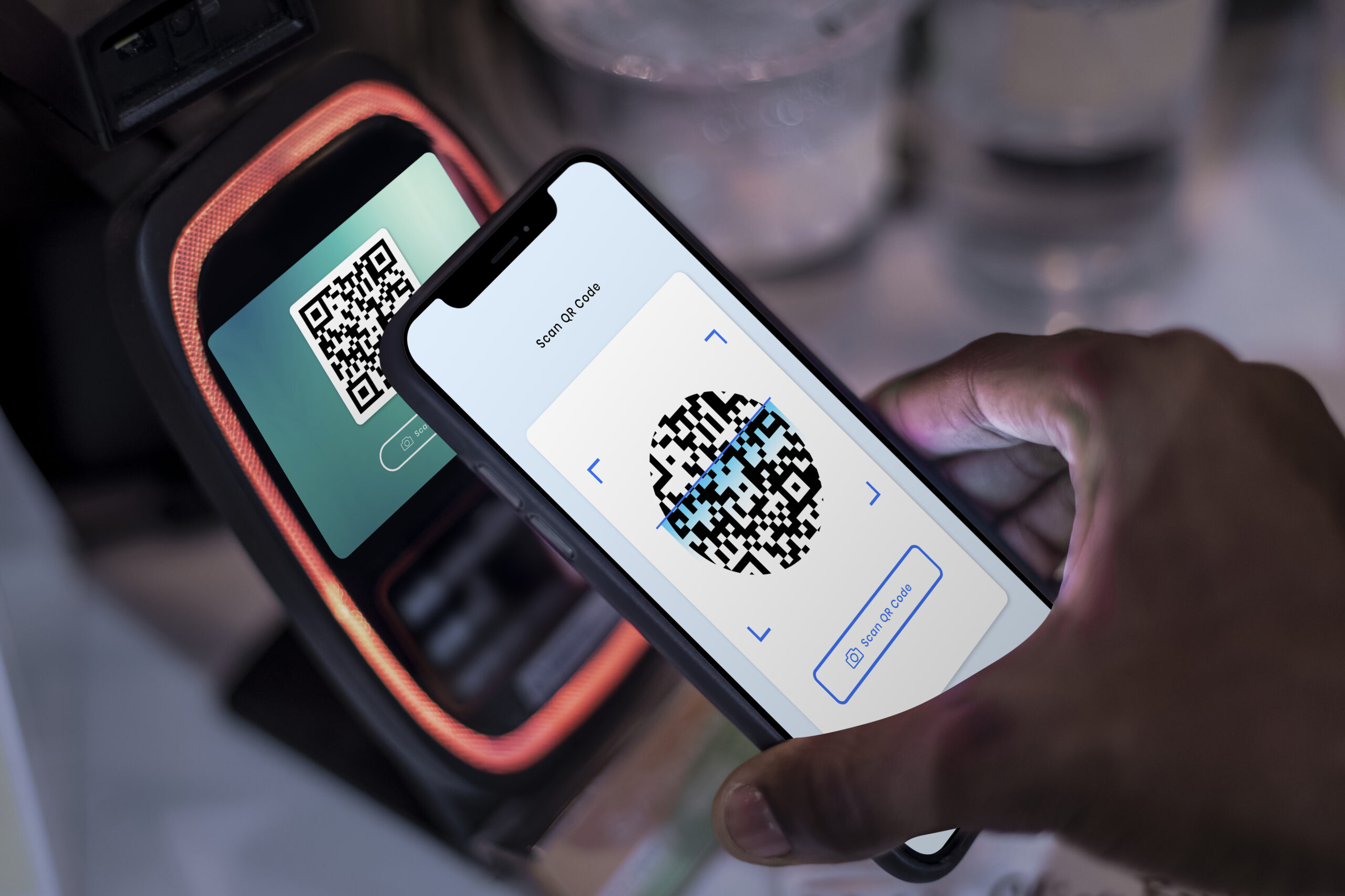
In many markets, wallet usage has surpassed physical cards for everyday transactions. Tap-to-pay and QR-based systems are becoming standard, reflecting a shift toward faster and more convenient payment experiences.
This shift also improves speed for online platforms. Wallet integrations allow faster deposits and withdrawals, which is important in environments where users expect quick access to funds.
By reducing manual steps, digital wallets also strengthen security while making the overall payment experience smoother and more reliable.
Artificial Intelligence Optimizes Payment Speed and Security
Artificial intelligence is now a core part of payment systems. It improves both speed and security without adding friction.
Its impact is evident across sectors such as e-commerce, digital banking, fintech platforms, entertainment services and online casinos. In many ways, these developments reflect how emerging technology is reshaping online gambling for real money.
What makes this shift powerful is how AI works behind the scenes. It can detect unusual transaction patterns in real time, stopping potential fraud before it becomes a problem. At the same time, it optimizes the flow of payments by selecting faster, more reliable processing routes.
The result is fewer failed transactions and fewer delays. For users, everything feels instant and effortless. For businesses, it strengthens efficiency while quietly building trust with every successful transaction.
Cross-Border Payments Move Toward Near-Instant Transfers
Cross-border payments are becoming faster as fintech solutions reduce reliance on intermediaries. Transfers that once took days can now be completed much faster in many cases.
Lower fees and improved processing speeds are making global transactions more practical. This is especially valuable for platforms with international users, including online casinos and digital services.
Some systems are also exploring blockchain-based settlement for faster results, although adoption varies depending on use case.
Flexible Payment Options Expand Across Platforms
Flexible payment options are becoming more common across digital platforms. Users want more control over how they manage payments.
Options such as installment payments and alternative funding methods are being integrated directly into platforms. This allows users to complete transactions without relying fully on traditional credit.
For businesses, this trend increases conversion rates and transaction volume. For users, it removes barriers that might delay or prevent purchases
Bottom Line: What This Means for Businesses and Users
Digital payments are evolving through clear trends. Real-time processing, embedded systems, digital wallets, artificial intelligence and faster global transfers are reshaping how money moves.
For businesses, adapting means focusing on speed, reliability, and user experience. Payment systems now directly influence trust and retention.
For users, expectations will continue to rise. Fast withrawals, seamless transactions, and secure systems are becoming standard.
The future of digital payments is already here. Those who adapt to these changes will be better positioned as the system continues to evolve.