The next decade of gaming is shaping up to feel less like a linear upgrade cycle and more like a branching ecosystem where hardware, software, and immersive design blend into something that looks almost alive.
From VR headsets that lighten up and smarten up, to cloud systems that shrink the gap between powerful machines and pocket devices, the future of gaming tech feels like it is on the edge of a major jump.
The hints are already visible across online platforms, casinos, and mainstream gaming giants that are rewriting the boundaries of what a game can be.

One of the clearest trends is the shift toward immersive environments that feel responsive and personal. VR has struggled through its awkward years, but investment keeps flowing as companies refine headsets, social features, and shared environments.
Players want to be present together, not alone behind a visor, which means designers are building co-located experiences that mix physical and digital space. AR is moving along the same path, blending virtual layers with real neighbourhoods after successes like Pokémon Go.
Within the evolving gambling space, the rise of live dealer games, VR casino rooms, and social playrooms shows how these technologies can root digital experiences in something that feels tangible.
In fact, any competitive casino operator looking to stand out is already exploring these tools as they gear up for the next wave of users.
Artificial intelligence is poised to enhance the sense of presence in gaming. AI, which already constructs landscapes, aids designers, and powers procedural worlds, is being trained for a more adaptive role. Future NPCs may not simply follow pre-set paths.
They may observe, react, and even adjust story beats based on a player’s choices. Researchers envision AI directors that tailor challenges and moods the way a human game master would, shifting tension like a hidden narrator guiding events behind the curtain.
This advancement in AI promises to empower players, making them feel more engaged and in control of their gaming experiences.
Cloud gaming adds yet another layer of transformation. Rather than relying on expensive home rigs, players increasingly access vast games streamed from distant servers.
This opens the door to high-fidelity graphics on any device, which expands the potential audience and reduces the friction of jumping into new worlds.
Combined with mobile optimization and the steady decline of hardware limitations, cloud gaming positions itself as the connective tissue across all formats.
This advancement in gaming technology is not just about the games; it’s about making gaming more accessible and convenient, and it’s something that gamers can be excited about.
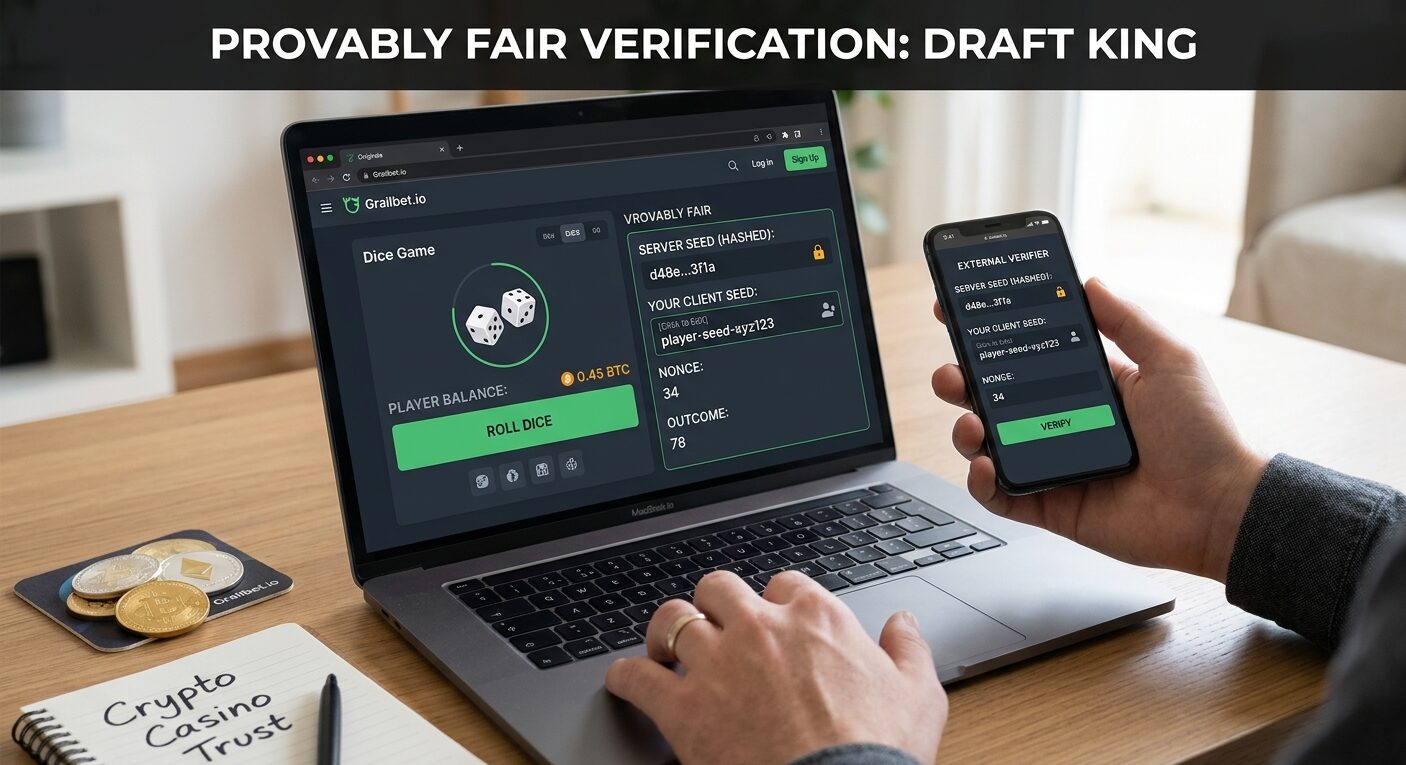
Security and ownership in gaming are also evolving. Blockchain technology is introducing transparent transactions, smart contracts, and provably fair systems for gambling and gaming alike.
Cryptocurrencies offer fast and private payments, while decentralised records help verify outcomes and curb fraud. Some developers are experimenting with digital assets that persist across worlds, hinting at the earliest versions of metaverse-style continuity.
This use of blockchain in gaming is not just about technology; it’s about making gamers feel secure and confident in their gaming experiences.
Layered together, these advances form a future where games move beyond screens and become elastic spaces shaped by the player.
Whether through immersive VR floors, adaptive AI storytelling, or cloud-powered universes, the next generation of gaming tech aims to make digital worlds richer, smarter, and more human.
For instance, ‘elastic spaces’ could refer to game environments that dynamically change based on player actions, or to virtual worlds that can be seamlessly accessed from different devices. The evolution is already underway, and the momentum suggests the most transformative shifts are still ahead.